
You are here:
- Home
- Countries & Parks
- Arusha National Park


Arusha National Park
Overview
Wildlife
Birds
Best Time To Visit
Weather & Climate
Getting There
Malaria & Safety
Overview
Wildlife
Birds
Best Time
Climate
Getting There
Malaria & Safety

By Fadhili Mlema
Fadhili is a seasoned East African safari expert with 15 years of experience crafting luxurious and authentic journeys. Deeply rooted in the region, his passion for wildlife and tourism has shaped his unparalleled expertise. Let Fadhili curate your ultimate African adventure.
By Fadhili Mlema
Fadhili is a seasoned East African safari expert with 15 years of experience .
- Live Location
- View Photos

- Open Map
Best Time To Go
June to October (Best wildlife viewing & outdoor activities)
High Season
June to October & December to February
Size
552 km² (213 sq mi)
Altitude
1,500–4,566 m (4,921–14,980 ft)
Arusha National Park is renowned for its exceptional wildlife diversity, combining forest species, open-plains mammals, and rich birdlife within a compact landscape. The park is one of the best places in Tanzania to see black-and-white colobus monkeys. At the same time, its open grasslands support one of the country’s largest giraffe populations, alongside buffaloes, zebras, warthogs, waterbucks, bushbucks, reedbucks, blue monkeys, and numerous other antelope species.
The park’s seven Momella Lakes regularly attract thousands of pink flamingos, together with pelicans, herons, storks, ducks, and many migratory waterbirds, contributing to a checklist of over 400 bird species. Although predators are few, Arusha National Park offers one of Tanzania’s most rewarding wildlife experiences thanks to its remarkable variety of habitats and easily accessible game viewing.
Arusha National Park boasts one of Tanzania’s most varied landscapes, where lush montane forests, open grasslands, volcanic craters, sparkling alkaline lakes, and the towering slopes of Mount Meru create an exceptional natural setting. From the wildlife-rich Ngurdoto Crater to the colorful Momella Lakes, every corner of the park offers breathtaking scenery and outstanding photographic opportunities.
Arusha National Park offers one of Tanzania’s most diverse safari experiences, combining game drives, walking safaris, canoeing, mountain hiking, birdwatching, photography, and nature walks within a single destination. From exploring the wildlife-rich Ngurdoto Crater and the scenic Momella Lakes to climbing Mount Meru, the park provides exceptional outdoor adventures suitable for both day visitors and multi-day safaris.
Arusha National Park enjoys a mild highland climate throughout the year due to its elevation on the slopes of Mount Meru. Days are generally warm, while mornings and evenings can be cool, particularly during the dry season. The park receives two rainy seasons, creating lush forests, green landscapes, and excellent birdwatching opportunities, while the dry months provide the best conditions for wildlife viewing and outdoor activities.
Book a Guided Arusha National Park Safari
Arusha National Park is a rewarding destination year-round, with each season offering a distinct experience. The dry season (June to October) provides the best wildlife viewing, excellent hiking conditions on Mount Meru, and clear views of Mount Kilimanjaro. During the green season (November to May), the park transforms into a lush landscape, making it ideal for birdwatching, photography, and enjoying its spectacular forests, waterfalls, and Momella Lakes.
By Fadhili Mlema
Fadhili is a seasoned East African safari expert with 15 years of experience crafting luxurious and authentic journeys. Deeply rooted in the region, his passion for wildlife and tourism has shaped his unparalleled expertise. Let Fadhili curate your ultimate African adventure.
By Fadhili Mlema
Fadhili is a seasoned East African safari expert with 15 years of experience .
Arusha National Park is one of Tanzania’s most diverse wildlife destinations, where open grasslands, montane forests, volcanic craters, and alkaline lakes create habitats for an exceptional variety of animals. The park is renowned for its large populations of giraffes, iconic black-and-white colobus monkeys, buffaloes, zebras, and thousands of pink flamingos that seasonally gather on the Momella Lakes, making it one of the country’s finest parks for wildlife viewing and birdwatching.
- Abundant
- Common
- Occasional
- Rare
- None

- Abundant

- Common

- Common

- Occasional

- Rare

- Rare

- Rare

- Common

- Abundant
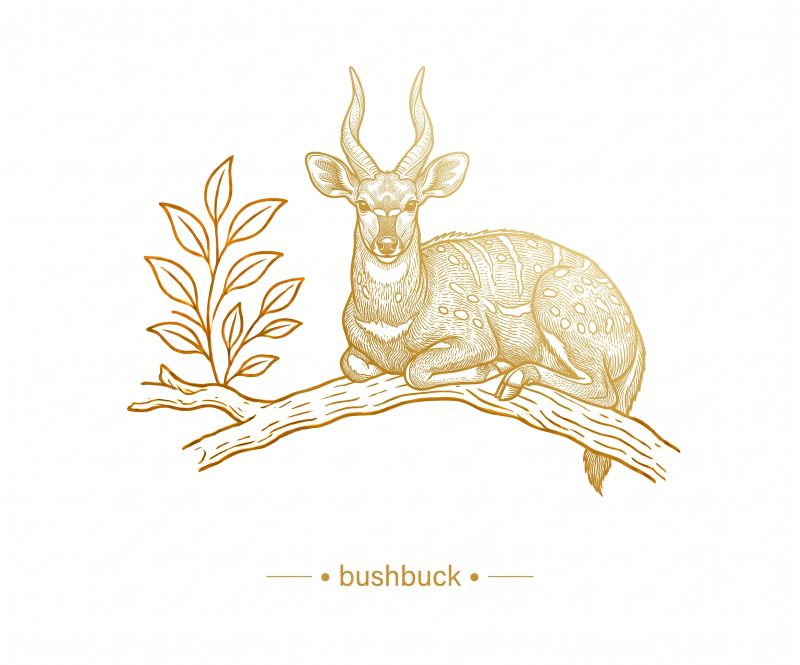
- Common
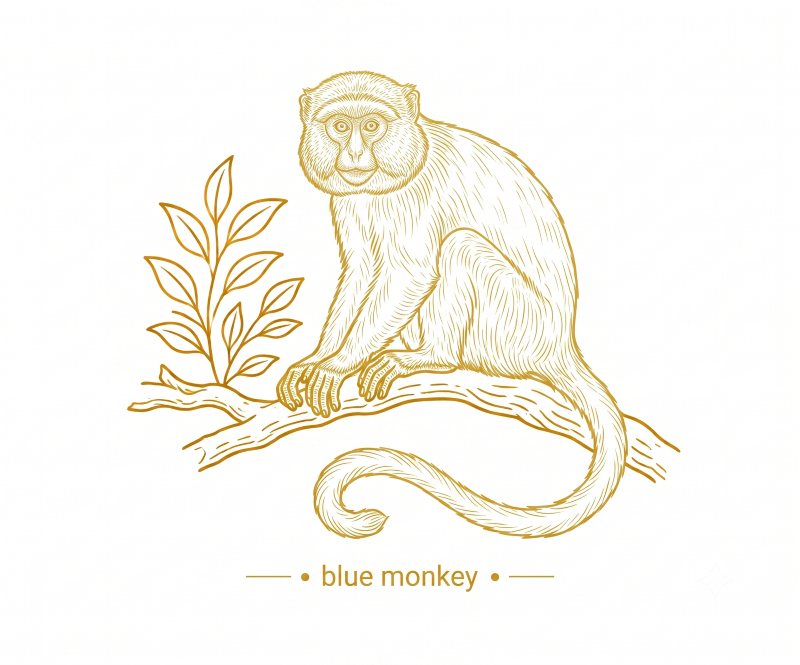
- Common
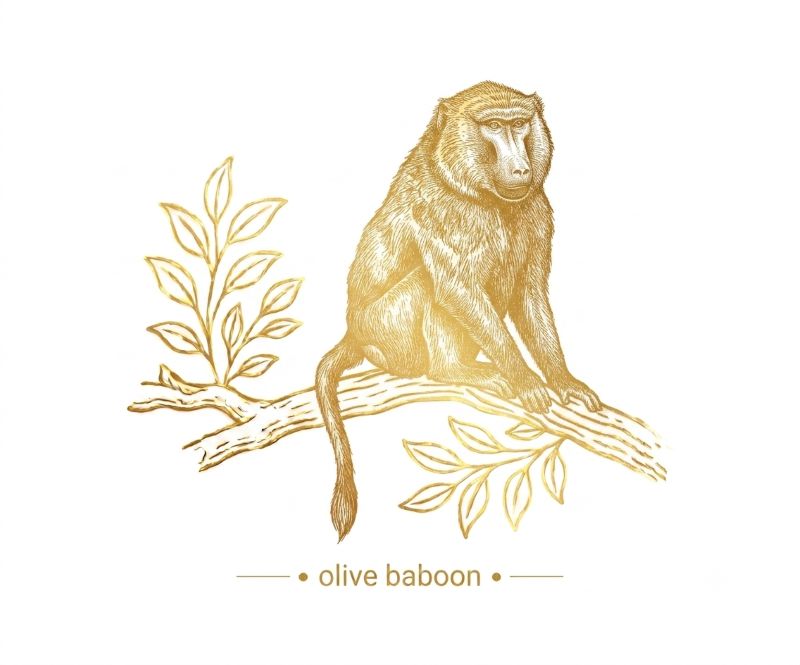
- Common

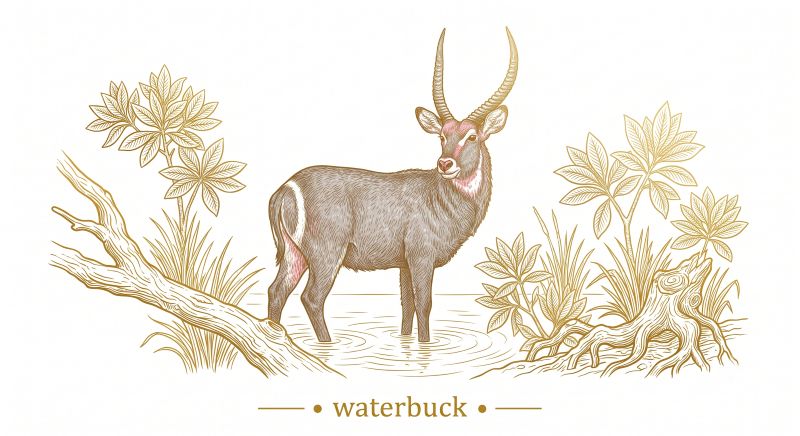
- Common
Arusha National Park offers one of Tanzania’s most distinctive wildlife experiences, combining exceptional game viewing with spectacular scenery. Visitors can encounter large herds of giraffes, buffaloes, zebras, bushbucks, and waterbucks, as well as the park’s famous black-and-white colobus monkeys. At the same time, the Momella Lakes attract thousands of pink flamingos and a remarkable diversity of waterbirds. Unlike many other northern parks, Arusha also provides guided walking safaris and canoeing, allowing guests to experience wildlife from a unique perspective.
Wildlife viewing is rewarding year-round, but the dry season from June to October offers the best conditions. As vegetation thins and water sources become more limited, animals are easier to spot across the open plains and around the Momella Lakes. The green season from November to May transforms the park into a lush landscape, bringing excellent birdwatching, vibrant scenery, newborn wildlife, and seasonal flocks of flamingos, making Arusha National Park a rewarding destination in every season.
- View Photos
By Fadhili Mlema
Fadhili is a seasoned East African safari expert with 15 years of experience crafting luxurious and authentic journeys. Deeply rooted in the region, his passion for wildlife and tourism has shaped his unparalleled expertise. Let Fadhili curate your ultimate African adventure.
By Fadhili Mlema
Fadhili is a seasoned East African safari expert with 15 years of experience .
Notable Birds in Arusha National Park

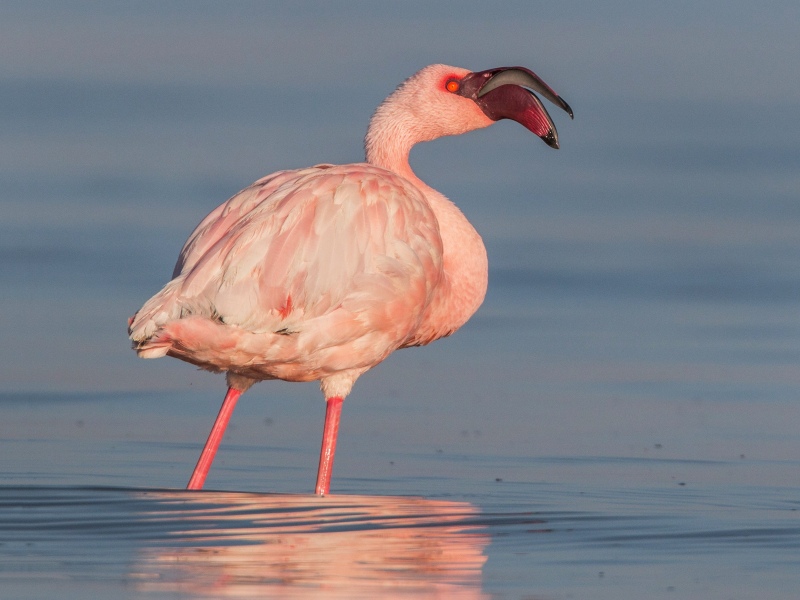
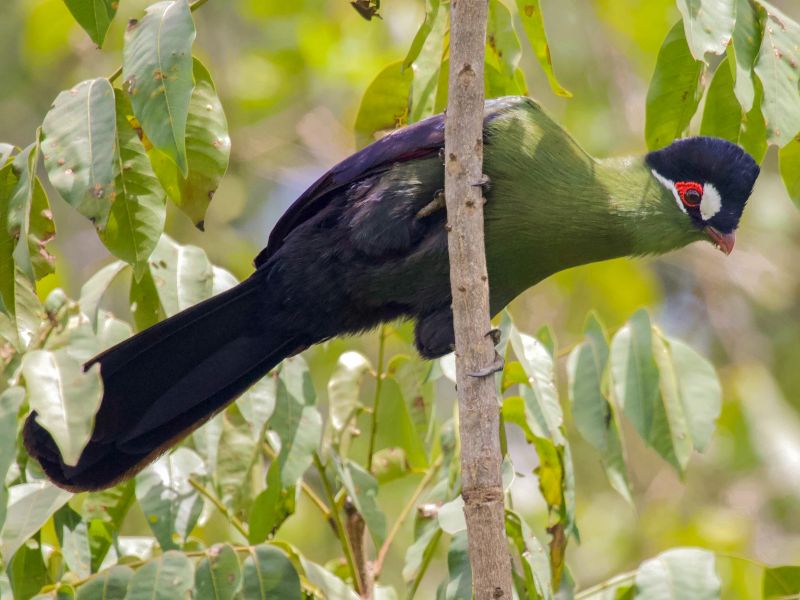


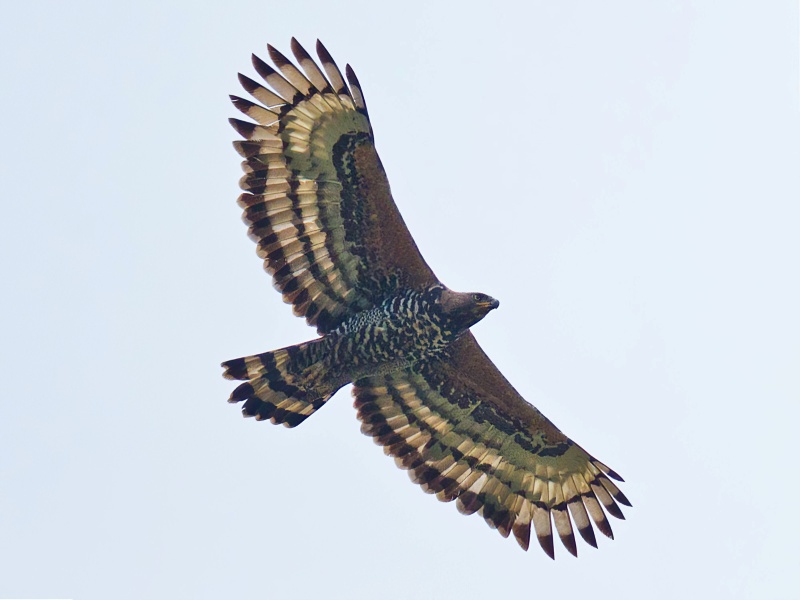


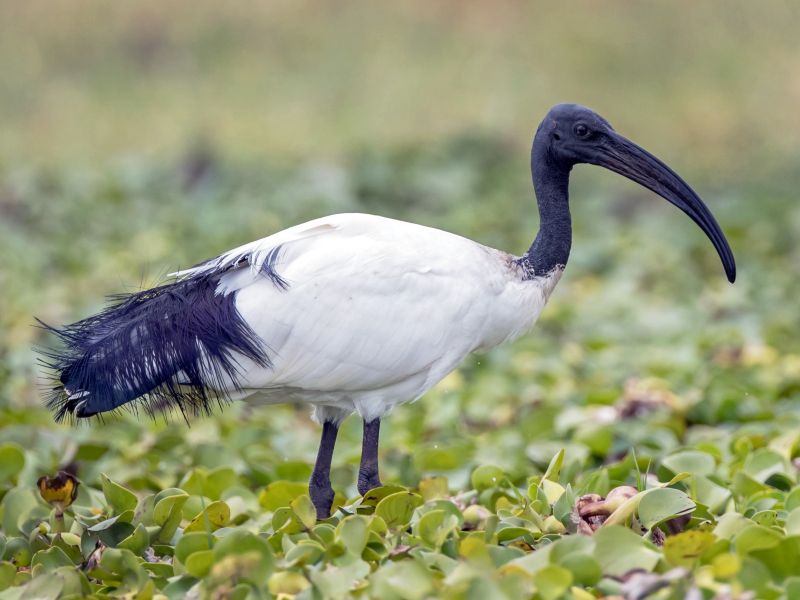
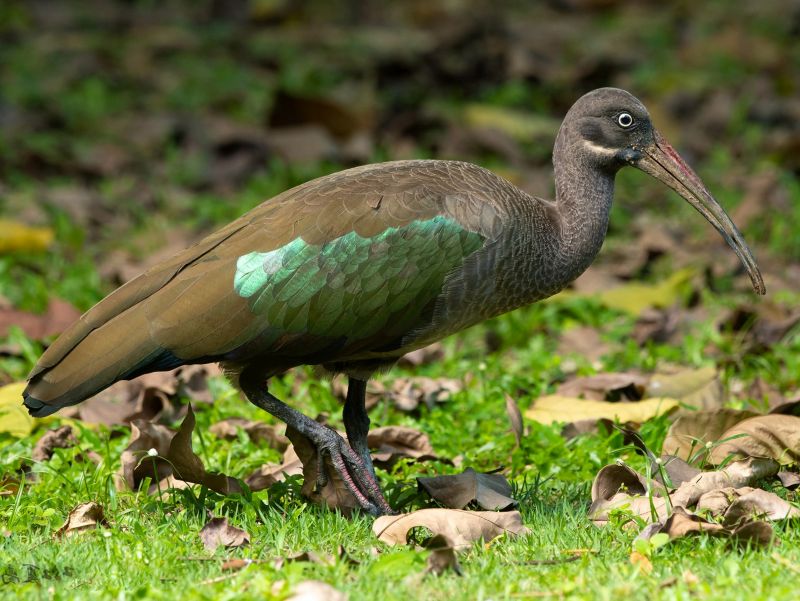

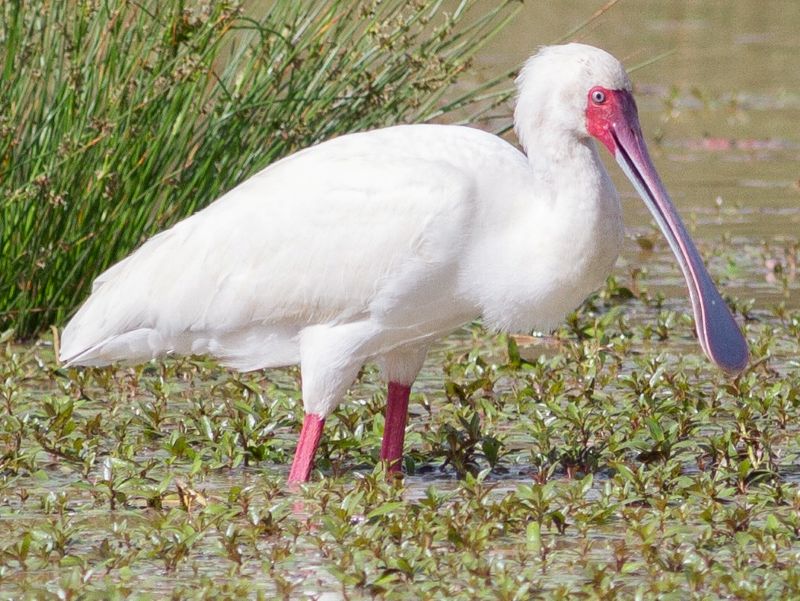
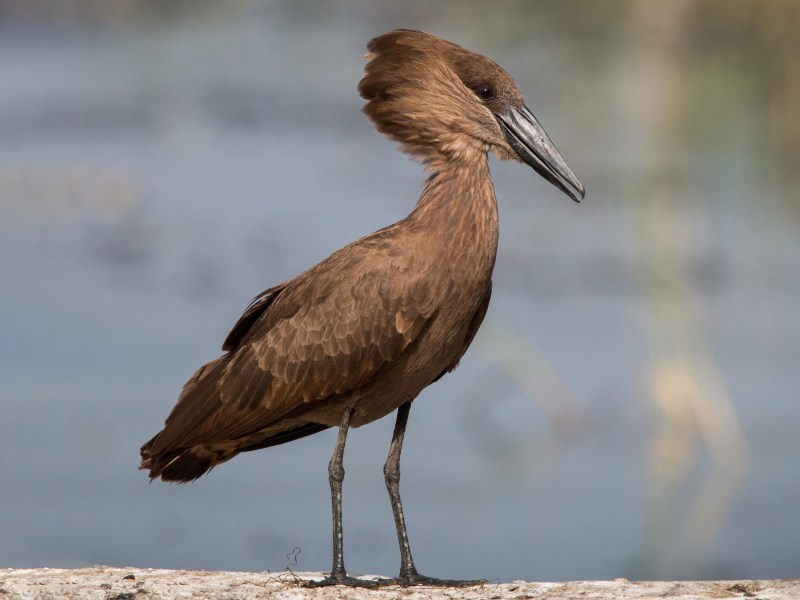
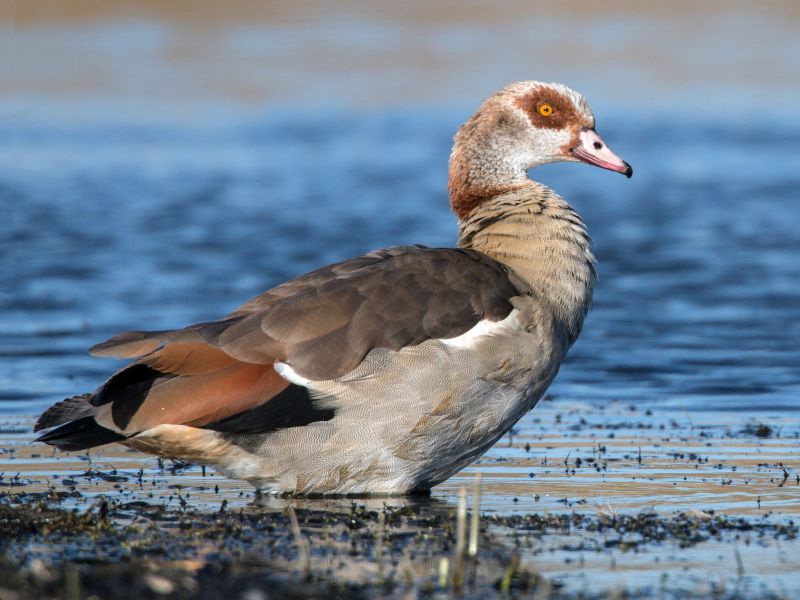


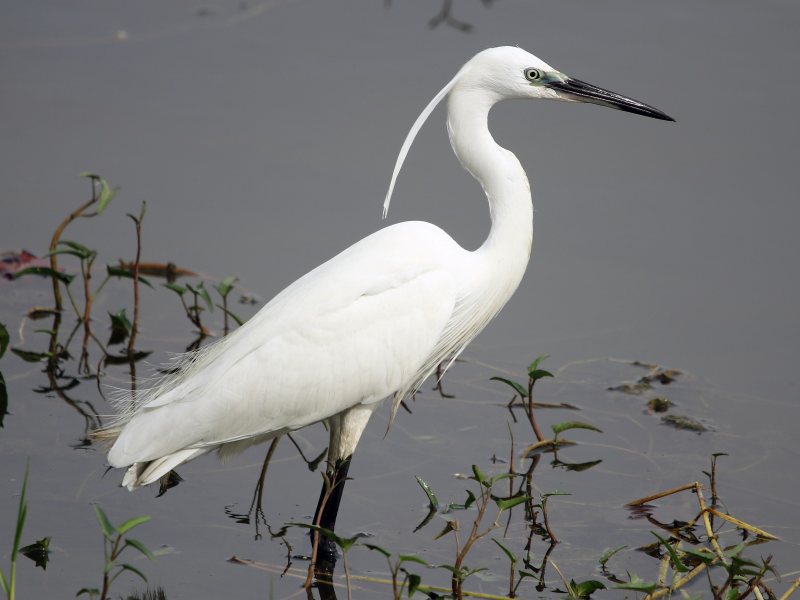
Birdwatching is rewarding throughout the year, but the green season from November to April offers the greatest diversity as migratory birds arrive, resident species display vibrant breeding plumage, and the Momella Lakes attract thousands of flamingos and other waterbirds. During the dry season from June to October, clear skies and thinner vegetation make resident birds easier to observe, creating excellent conditions for photography. With over 400 recorded bird species, Arusha National Park ranks among Tanzania’s finest birdwatching destinations.
Bird Species
400+
Migratory Birds
Nov to Apr

By Fadhili Mlema
Fadhili is a seasoned East African safari expert with 15 years of experience crafting luxurious and authentic journeys. Deeply rooted in the region, his passion for wildlife and tourism has shaped his unparalleled expertise. Let Fadhili curate your ultimate African adventure.
By Fadhili Mlema
Fadhili is a seasoned East African safari expert with 15 years of experience .
Jan
Feb
Mar
Apr
May
Jun
Jul
Aug
Sep
Oct
Nov
Dec
- Excellent
- Good
- Fair
- Poor
Arusha National Park can be visited year-round. Still, the dry season from June to October offers the best wildlife viewing and clear views of Mount Meru and Mount Kilimanjaro. The green season from November to February is equally rewarding for birdwatching, lush landscapes, and fewer visitors, while March to May brings heavier rains that create spectacular scenery but may affect some park activities.
Best Time
June to October
High Season
June to October
Low Season
March to May
Best Weather
June to February
Worst Weather
April
- View Photos
By Fadhili Mlema
Fadhili is a seasoned East African safari expert with 15 years of experience crafting luxurious and authentic journeys. Deeply rooted in the region, his passion for wildlife and tourism has shaped his unparalleled expertise. Let Fadhili curate your ultimate African adventure.
Arusha National Park enjoys a mild climate year-round due to its high elevation on the slopes of Mount Meru. Temperatures are generally pleasant, with cooler mornings and evenings. The dry season from June to October offers excellent wildlife viewing and clear mountain views, while the wet season from November to May transforms the park into a lush green landscape, making it one of Tanzania’s finest birdwatching destinations.
The dry season is the most popular time to visit Arusha National Park. Rainfall is minimal, vegetation becomes less dense, and wildlife is easier to spot throughout the park. Clear skies also provide breathtaking views of Mount Meru and, on many mornings, the snow-capped peak of Mount Kilimanjaro, making this the ideal season for game drives, walking safaris, canoeing, and photography.
- June: The dry season begins with cool mornings and pleasant daytime temperatures averaging 18–24°C (64–75°F). Wildlife viewing improves as vegetation thins, and Mount Meru is often clearly visible.
- July to September: These are the best months to visit. Rainfall is very limited, animals gather around reliable water sources, and visibility is excellent. The Momella Lakes frequently attract flamingos and numerous waterbirds, while clear weather offers outstanding views of both Mount Meru and Mount Kilimanjaro.
- October: Temperatures become slightly warmer before the short rains arrive. Wildlife viewing remains excellent, bird activity gradually increases, and the landscapes begin transitioning into the green season.
The wet season, from November to May, transforms Arusha National Park into a lush green wilderness. Seasonal rains refresh the forests, grasslands, and the Momella Lakes, creating excellent conditions for birdwatching, photography, and scenic views. Wildlife remains active throughout the year, while the cooler temperatures make outdoor activities enjoyable.
- November to December: The short rains revive the park, migratory birds begin arriving, and the Momella Lakes often attract large numbers of flamingos and other waterbirds.
- January to February: These are beautiful months with lush scenery, excellent birdwatching, rewarding wildlife viewing, and frequent clear views of Mount Meru and Mount Kilimanjaro.
- March to May: The long rains bring the greenest landscapes and outstanding birdlife, although heavier rainfall can make some roads and walking trails muddy.
- Live Location
- View Photos
By Fadhili Mlema
Fadhili is a seasoned East African safari expert with 15 years of experience crafting luxurious and authentic journeys. Deeply rooted in the region, his passion for wildlife and tourism has shaped his unparalleled expertise. Let Fadhili curate your ultimate African adventure.
Arusha National Park is the most accessible national park in northern Tanzania, located just 35 km from Arusha City and approximately 60 km from Kilimanjaro International Airport (JRO). The park can be reached easily by road from Arusha in 45–60 minutes, making it one of Tanzania’s best destinations for day trips and short safaris.
Visitors arriving by air can fly into Kilimanjaro International Airport (JRO) or Arusha Airport (ARK) before transferring to the park by private vehicle. The park is also conveniently included in northern Tanzania safari itineraries alongside Tarangire National Park, Lake Manyara National Park, Ngorongoro Conservation Area, and Serengeti National Park.
- Main Park Location
Compare international and domestic flight options to Tanzania using Skyscanner. Search the best fares to Kilimanjaro International Airport (JRO) or Arusha Airport (ARK) from major cities worldwide. From either airport, enjoy a short road transfer to Arusha National Park, located approximately 35 km from JRO and 25 km from Arusha city center.
Flying is the fastest and most convenient way to reach Arusha National Park. Scheduled domestic flights are available daily to Kilimanjaro International Airport (JRO) and Arusha Airport (ARK) from Dar es Salaam, Zanzibar, Mwanza, and other major destinations across Tanzania. From either airport, the park can be reached by a short road transfer. For travelers seeking greater flexibility, private charter flights can also be arranged to Arusha Airport from destinations throughout Tanzania. Charter services are available with airlines including:
- Auric Air
- Coastal Aviation
- Flightlink
- Regional Air
- Precision Air
- Air Tanzania
Please refer to our FAQ—Tanzania pages for detailed information regarding passport, visa, vaccination, and other entry requirements.
By Fadhili Mlema
Fadhili is a seasoned East African safari expert with 15 years of experience crafting luxurious and authentic journeys. Deeply rooted in the region, his passion for wildlife and tourism has shaped his unparalleled expertise. Let Fadhili curate your ultimate African adventure.
Arusha National Park is considered one of Tanzania’s safest national parks when visited with an authorized guide or registered tour operator. Visitors should follow park regulations, remain within designated areas, keep a safe distance from wildlife, and, where required, avoid walking without an armed ranger.
Arusha National Park lies in a low- to moderate-malaria-risk area, although precautions are recommended throughout the year. Consult your healthcare provider before traveling about malaria prevention, and ensure your routine vaccinations are up to date. A Yellow Fever vaccination certificate may be required if arriving from or transiting through a country at risk for Yellow Fever.
Wildlife viewing is safe and rewarding when conducted responsibly. Always remain inside your safari vehicle unless instructed otherwise by your guide, never feed or approach wild animals, and maintain a respectful distance to ensure both visitor safety and wildlife conservation.
Discover Plan Your Arusha National Park Safari
to
pp (USD)
Safari:
Private tour,
Budget,
- 1 days
- 1 places
