
Kilimanjaro Packing Guide
Your Ultimate Checklist for the Roof of Africa.
Success on Kilimanjaro begins with preparation. Though famed as the most approachable of the Seven Summits, this climb demands strategy, strength, and the right gear.
At Hola Africa, we’ve perfected the ultimate packing guide, a bright, stylish, and field-tested checklist designed by our mountain professionals. From essential summit gear to comfort touches that make every camp feel like home, this guide ensures you’re ready for whatever the mountain brings.
Gear up right. Step higher. Your Kilimanjaro journey starts here.
Kilimanjaro Packing Tips & Gear Advice
Pack smart, climb strong. Every item matters on Africa’s highest peak. At Hola Africa, we help you travel light, gear right, and summit with confidence.
Kilimanjaro Gear Rental in Tanzania, Trek Smart
Skip the baggage. Rent top-quality gear in Tanzania from trusted partners offering brands like The North Face, Marmot, and Red Fox. All equipment is expertly maintained, affordable, and ready when you arrive, saving space, time, and cost while keeping you fully equipped for the climb.
Why Quality Gear Matters on Kilimanjaro
On Kilimanjaro, quality isn’t optional; it’s survival. Cheap gear can fail when it matters most. At Hola Africa, we guide climbers toward durable, weather-tested essentials designed to perform on every slope because the right gear means the difference between reaching Uhuru Peak and turning back.
Your Kilimanjaro Daypack
Your daypack is your lifeline on the mountain, always within reach and packed with essentials like sunscreen, sunglasses, snacks, rain gear, a camera, and water. Choose one that’s lightweight, supportive, and built for long hours on rugged trails. Test it beforehand to ensure the perfect fit and comfort.
Key Features of a Great Kilimanjaro Daypack:
- Integrated Rain Cover – Protects your gear from sudden mountain showers.
- External Pockets – Keeps water bottles, snacks, and trekking poles easily accessible.
- Padded Hip Belt – Distributes weight evenly, reducing shoulder fatigue.
- Hydration Compatibility – Allows you to sip water on the go without stopping.

Kilimanjaro Duffel Bags
Your duffel bag is your expedition’s backbone, carried by your porter across 40–60 km of rugged terrain. Choose one that’s soft, durable, and waterproof to protect your gear while ensuring comfort for your porter.
Duffel Bag Essentials
- Weight Limit: Must not exceed 15 kg (33 lbs) per Kilimanjaro National Park regulations.
- Capacity: Go for 90–120 litres to fit all your gear comfortably.
- Material: Choose a waterproof, flexible fabric to safeguard your belongings from mountain rain and dust.
For added protection, pack your gear in separate dry bags inside the duffel, a simple step that keeps clothes and electronics completely dry, no matter how unpredictable the weather gets.

We recommend trusted expedition brands like Patagonia and The North Face, which have been tested on every route from Marangu to the Northern Circuit, because your journey deserves gear as rugged as Kilimanjaro itself.
Dry Bag – Small in Size, Big in Protection
Rain or shine, Kilimanjaro’s weather can shift in minutes, and a dry bag is your best line of defence. This lightweight essential keeps your sleeping bag, clothes, and electronics completely dry, no matter how wild the mountain gets.
We always recommend choosing a spacious, waterproof dry bag that fits all key belongings. It’s a small investment that makes a big difference in comfort, safety, and peace of mind on the Roof of Africa.

Water Bottle & Thermos
Hydration is your silent summit partner. You’ll need 3–4 litres of water daily, so pack one or two sturdy, insulated bottles instead of hydration bladders that can freeze overnight.
A thermos for hot tea or coffee is another must-have. Nothing beats a warm sip at 4,000 meters; it restores energy, lifts morale, and keeps you fuelled for the final push to Uhuru Peak.
For every climber, we recommend trusted brands like Hydro Flask or Nalgene, which are reliable, durable, and built for extreme altitudes. On Kilimanjaro, every drop counts.

Hydration Bladder
Stay hydrated on the move with a hydration bladder (also known as a camel bag), the easiest way to sip water hands-free and maintain your pace on Kilimanjaro. Opt for a high-quality insulated model to prevent freezing on summit night. A 1.5–2-litre capacity hits the perfect balance between hydration and comfort. We recommend trusted brands like CamelBak or Osprey, reliable companions for those who climb with purpose.

Travel Organisers
Keep your duffel neat and your essentials easy to find with travel bag organisers, the secret to stress-free packing. They save time, space, and sanity by sorting gear for quick access and separating clean clothes from those that are damp or dusty. A simple addition that makes every unpacking moment on Kilimanjaro seamless, because organisation is adventure’s best friend.

Dressing Smart for Kilimanjaro’s Changing Climates
From lush rainforest to glacial peak, Kilimanjaro takes you through four worlds in one climb. Each zone demands the right layers to keep you dry, warm, and unstoppable.
- Rainforest: Hot and humid beginnings under a tropical canopy.
- Moorland: Breezy slopes and open skies.
- Alpine Desert: Intense sun by day, icy cold by night.
- Arctic Summit: Fierce winds, snow, and pure high-altitude drama.
Pack layers with purpose: moisture-wicking, insulating, and weatherproof. On Kilimanjaro, comfort fuels confidence, and confidence fuels the summit.
Essential Footwear for Kilimanjaro
The proper boots can make or break your entire Kilimanjaro experience. Blisters, soreness, or poor grip can end your climb early, but the right pair delivers comfort, balance, and trust in every step.
High-quality hiking boots
You’ll need high-quality hiking boots paired with durable trekking socks, and ideally a light sneaker for camp evenings.
Choosing the Right Hiking Boots
Your boots should strike the perfect balance of strength and comfort. Look for:
- Ankle Support – Strong structure to stabilise your stride on rocky trails.
- Medium Weight – Durable but light enough to keep your legs fresh.
- Waterproofing – Essential for rain, snow, and summit moisture.
- Secure Lacing – Hooks or quick-tie systems for a snug, confident fit.

Break Them In Before the Climb
Wear your boots for 5–6 days of hiking before the trek to let them mould to your feet; it’s the best way to avoid blisters and pain during ascent.
Trusted by elite climbers worldwide, La Sportiva, Zamberlan, Salomon, The North Face, Asolo, and Scarpa deliver the perfect balance of grip, comfort, and endurance for Africa’s highest mountain. Don’t own a pair? Rent quality boots from our gear store for just $45, a smart way to save before conquering Africa’s highest peak.
Trekking Sneakers (Optional)
Lightweight trekking sneakers are perfect for manageable sections of the climb and relaxing at camp after a long day on the trail. They let your feet breathe and recover while offering comfort and flexibility. Top picks include Zamberlan, La Sportiva, The North Face, and Scarpa, trusted for quality, grip, and all-day comfort on and off the mountain.

Trekking Socks
Ditch cotton; it traps moisture and causes blisters. Opt for merino or wool socks that wick away sweat, keeping your feet dry mile after mile.
Top pick: Bridgedale, trusted by seasoned trekkers for unmatched comfort and durability on Kilimanjaro’s rugged trails.

Thermal Socks
Essential for summit night, when temperatures plummet and every layer counts. Choose wool or thermal synthetic socks with flat seams to lock in warmth, wick moisture, and keep your feet blister-free during the final push to Uhuru Peak.

Gaiters (Optional but Worth It)
A small accessory with a significant impact, gaiters shield your boots from mud, rain, and tiny rocks, keeping your feet dry and comfortable. They’re convenient during wet or snowy conditions, protecting your pants and boots while adding a polished, pro-climber look to your Kilimanjaro gear.

Essential Kilimanjaro Trousers & Pants Guide
You’ll need versatile trousers designed to withstand Kilimanjaro’s changing climates, from the rainforest heat to the summit cold.
Hardshell Rain Pants
Your shield against nature’s mood swings. These lightweight, waterproof shells slip right over your trekking pants, keeping you dry, windproof, and unstoppable through mist, rain, and storm, a must-pack for every serious climber.
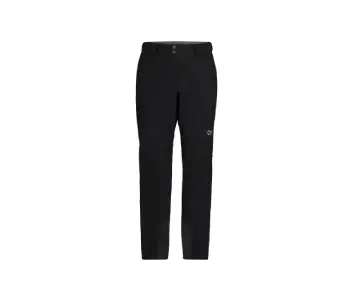
Warm Trousers / Summit Pants
When altitude bites and temperatures plummet, these are your best allies. Insulated, fleece-lined, and windproof, summit pants keep you warm and block icy gusts. Built for those final, freezing meters to Uhuru Peak, and cosy nights above the clouds.
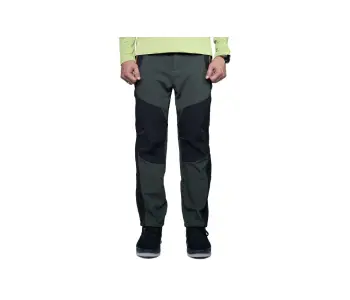
Trekking Pants
Your everyday climb companion, flexible, durable, and adventure-ready. Designed for long days on the trail, from humid rainforest to arctic winds, these pants deliver all-day comfort and freedom of movement, Hola Africa style.

Best Underwear and Shirts for Kilimanjaro Climb
Underwear
Pack 5–6 pairs of quick-dry underwear and 2–3 thermal base layers for those icy summit nights. Choose synthetic or merino-wool fabrics that wick moisture, breathe easily, and keep you fresh from rainforest to ridge. Never cotton, it traps moisture and steals warmth.
Shirts
Bring a brilliant mix: 3–4 short-sleeved shirts for sunlit trails and 2 long-sleeved shirts for chilly evenings. Opt for lightweight, breathable blends, such as polyester, spandex, or nylon, designed to keep sweat away and boost energy. The right layers don’t just protect you; they power your climb to the Roof of Africa.
Jackets for Kilimanjaro
On Kilimanjaro, the weather shifts as quickly as the scenery. From humid rainforests to icy summit winds, clever layering keeps you dry, warm, and unstoppable.
You’ll need three essential jackets to conquer Africa’s highest peak.
Hardshell Rain Jacket
A hardshell rain jacket is a must-have. Lightweight yet powerful, it shields you from wind, rain, and mist, especially on the lower slopes. Choose a waterproof, breathable option (like Gore-Tex) that fits comfortably over your fleece and base layers. Keep it accessible in your daypack; Kilimanjaro weather can be unpredictable.

Fleece Jacket
Your fleece is the unsung hero of the climb, cosy, breathable, and made to keep you warm in camp or on the trail. Opt for Polartec 200 or a similar mid-weight insulation, ideally with a hood for added comfort. Trusted brands like The North Face, Patagonia, and Mountain Hardwear consistently deliver high-quality products. Pack two fleece layers if you want flexibility during the climb.
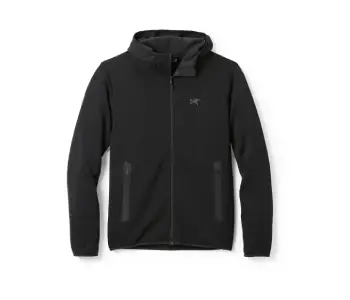
Insulated Jacket
When altitude bites and temperatures plummet, these are your best allies. Insulated, fleece-lined, and windproof, summit pants keep you warm and block icy gusts. Built for those final, freezing meters to Uhuru Peak, and cosy nights above the clouds.

Hola Africa Tip
Go for quality over bulk. Three lightweight, high-performance jackets will take you further than one heavy layer ever could.
Pack smart. Climb strong. Reach higher.
Headgear for Kilimanjaro
On Kilimanjaro, your headgear does more than complete your look; it protects your vision, focus, and path to the summit. The right gear means safety, clarity, and confidence at every altitude.
Sunglasses, See the Summit in Style
At 6,000 meters, sunlight on snow can be blinding. A good pair of UV400-protected sunglasses (level 3–4) is not just about comfort; it’s about survival.
Choose wraparound lenses to block harsh rays and prevent snow-blindness, even on cloudy summit days.
Prefer performance? Go with Julbo or Oakley, trusted by mountaineers worldwide.
Forgot yours? Rent our high-altitude sunglasses, expedition-tested and perfectly fitted for the Roof of Africa.

Headlamp
As night falls on the slopes, a reliable headlamp becomes your guide through the darkness. Essential for both camp movement and your midnight summit push, it ensures every step is straightforward and secure.
When choosing yours:
- Brightness: 300–400 lumens minimum, with 40–50 m beam distance.
- Battery Life: At least 30 hours active use — longer for summit night.
- Weight: Keep it under 120 g for comfort.
- Battery Type: Use replaceable batteries — no charging spots on the mountain.
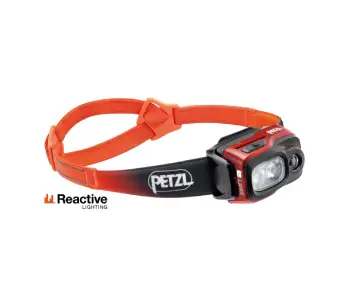
Brands like Petzl and Black Diamond are proven on Africa’s tallest peak. Or rent one of our premium, summit-grade lamps before your climb. Protect your eyes, Light your path, Because when you climb Kilimanjaro, visibility is everything, day and night.
Sun Hat
Essential for long days under the African sun. A wide-brim hat with a neck flap and UV protection shields your face, neck, and ears from intense rays, keeping you calm, focused, and ready for every step.

Warm Hat , Your Summit Shield
At higher altitudes, temperatures can plummet. Pack a thermal or fleece-lined beanie to trap heat and protect your head and ears during those frosty summit nights. Lightweight, warm, and indispensable.

Balaclava (Optional)
When the mountain turns fierce, a wool or fleece balaclava is your best defence. It protects your chin, nose, and cheeks from biting summit winds, a must for anyone sensitive to cold.

Neck Warmer (Optional)
Simple but effective, a soft fleece neck gaiter seals warmth and blocks dust, wind, and chill. Perfect for layering and easily adjustable throughout your climb.

Gloves for Kilimanjaro
From lush rainforest to the icy winds of Uhuru Peak, your hands need protection built for every climate. Two pairs, one light, one thermal, are all it takes to stay warm, dry, and summit-ready.
Lightweight Inner Gloves
Worn from day two onward, these gloves keep your hands warm through daily trekking. Choose Polartec, merino wool, or synthetic blends that wick moisture and dry fast. Avoid cotton, it traps sweat and chills quickly. Instead, opt for breathable, quick-dry liners that offer light insulation without bulk.

Warm Outer Gloves or Mittens
As you push toward the Roof of Africa, temperatures can drop to -15°C (5°F). Pack insulated, waterproof gloves or mittens; the latter are often better at retaining heat by keeping your fingers together.
Ensure your summit gloves are both warm and weatherproof to prevent frostbite during those long, frigid hours gripping your poles in the dark.

Trekking Poles: Balance, Strength & Endurance.
Trekking poles
Trekking poles aren’t just for support; they’re your extra pair of legs on the mountain. From rainforest roots to glacial scree, they keep you balanced, steady, and protected throughout the climb.

Why You Need Them
Kilimanjaro’s trails demand endurance, with daily hikes of 7–10 km and up to 8 hours through steep, rugged terrain. Poles reduce pressure on your knees and joints, improve stability on descents, and save energy for your summit push. Climbers who use poles report less fatigue and faster recovery, especially after summit night.
What to Look For:
- Weight & Durability: Around 400 g per pair, light yet strong for long treks.
- Material: Go for aluminium or carbon fibre for strength and comfort. Cork or foam grips keep your hands dry and blister-free.
- Adjustability: Choose adjustable poles suited to your height for ergonomic balance.
Trusted brands like Black Diamond and Leki offer models ideally suited for Kilimanjaro’s mixed terrain.
Rent or bring your own, but don’t climb without them. Your poles aren’t just accessories; they’re the quiet partners that carry you closer to Uhuru Peak.
Sleeping Bag Essentials for Kilimanjaro
When the African sun sets over Kilimanjaro, temperatures plummet fast, and your sleeping bag becomes your most trusted ally. Whether you’re in a mountain tent or Marangu’s huts, nights get icy cold, so a warm, high-performance sleeping bag is non-negotiable.
To ensure comfort at every altitude, aim for:
- Comfort Level: Sleep soundly at base-layer warmth.
- Limit Level: Add a few layers for extra insulation.
- Extreme Level: Keeps you safe in freezing, emergency conditions.
For upper camps, we recommend a comfort rating of –10°C (14°F) or lower — ideally –15°C (5°F) for maximum warmth. Choose a mummy-shaped design with a hood to trap heat efficiently through summit nights.
At Hola Africa, we trust proven models like Mountain Hardwear Lamina Z Blaze and The North Face. Prefer not to pack bulky gear? Rent from our high-grade expedition stock, tested and maintained for warmth, hygiene, and reliability
Sleeping Bag Liner (Optional but Recommended)
Add an extra layer of warmth where it matters most. A good liner, such as fleece or insulation, boosts your bag’s heat by up to 8°C, making chilly nights far more comfortable. Opt for mummy-shaped liners for improved heat retention and reduced bulk. Perfect if your sleeping bag falls short of the recommended warmth range.

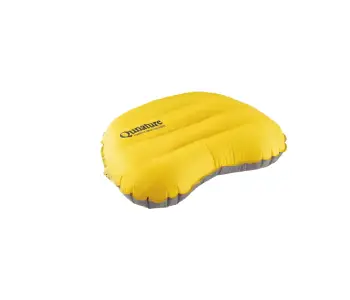
Inflatable Pillow (Optional)
A Small in size, big on comfort. An inflatable pillow makes a world of difference after long hiking hours, ideal for reading or relaxing in your tent. Light, compact, and easy to pack.
No pillow? No problem, stuff your jacket or daypack for a quick, trail-smart alternative.
Personal & Medical Essentials
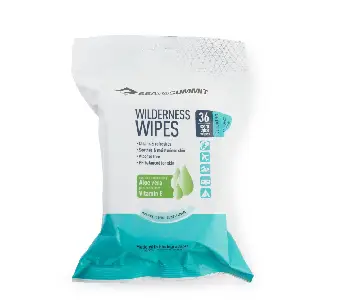
Wet Wipes (Optional)
Stay fresh, even above the clouds. Wet wipes are a simple yet essential hygiene fix when showers aren’t an option. Pack a small pack for daily use and a larger one for camp; your mountain skin will thank you.
Sunscreen
The equatorial sun is fierce on Kilimanjaro. Protect your skin with a high SPF sunscreen and reapply it throughout the day. It’s your best defence against the mountain’s intense UV rays.
Personal Medication
Our guides carry a comprehensive first-aid kit, but please also bring your personal medications and essentials, especially those that are difficult to find in Tanzania. Think altitude tablets, allergy meds, and anything you rely on daily.
Gadgets (Optional)
Camera
Kilimanjaro’s landscapes are pure magic, from golden plains to glaciers in the clouds. Capture every breathtaking moment with your smartphone, GoPro, or DSLR. Just don’t forget extra batteries or a power bank; the mountain waits for no charger.
Power Bank
There are no plugs above the clouds. A high-capacity power bank is your lifeline for keeping phones, cameras, and e-readers alive throughout the climb.
E-book Reader
When the stars light up camp, unwind in your tent with your favourite read. A lightweight e-reader is perfect for peaceful evenings before the next significant ascent.
Music Player
For those long, soul-stirring summit nights, a playlist can work wonders. Let your favourite tracks carry you higher, step by step, beat by beat, all the way to Uhuru Peak.
Kilimanjaro Gear Rentals: Travel Light & Trek Right
For many first-time trekkers, renting gear on-site is the most practical and budget-friendly way to prepare for the climb of Mount Kilimanjaro. Why buy an entire kit when you can rent professional-grade equipment for just $200–$450, ready and waiting at the base of the mountain?
Buying all your own gear can exceed $1,000, adding unnecessary weight and cost, especially if you don’t plan future climbs. Renting lets you travel light while still enjoying the comfort and performance of premium brands.
Frequent hikers may prefer to invest in personal gear, but even then, renting bulky items, like sleeping bags, insulated jackets, or trekking poles, makes perfect sense. It saves luggage space for your post-trek adventures, whether that’s a Zanzibar escape or a Tanzania safari.
At Hola Africa, we keep our rental gear clean, warm, and expedition-ready, because the right equipment can turn your climb into an unforgettable experience.
Before You Climb: Everything You Need to Know (FAQs)
Conquer Kilimanjaro with confidence. Prepare smart, climb strong, and experience Africa’s highest peak, the Hola Africa way, bold, safe, and unforgettable.
How long does it take to climb Kilimanjaro?
Most climbs take 6–8 days, depending on the route. A 7-day itinerary is ideal, giving your body enough time to acclimate and significantly increasing your chances of a safe and successful summit.
What’s the climate like on the mountain?
Kilimanjaro’s weather shifts with the seasons. The best time to climb is during the dry months, from January to early March and August to September, when skies are clear and conditions are pleasant. Always prepare for sudden weather changes.
Do I need malaria pills?
There’s no malaria risk on the mountain itself, but it can occur in lower regions before or after your climb. Consult your doctor before travel, as some medications may cause symptoms similar to altitude sickness.
What power adapters are used in Tanzania?
Tanzania uses Type D and G (British three-pin) plugs with a 230V supply. Bring a universal adapter if your devices use different plug types.
Are trekking poles necessary?
Yes. Trekking poles reduce strain on knees and joints, improve balance on uneven terrain, and help maintain a steady rhythm, especially during long descents.
How can I sleep better at high altitude?
Follow the “go high, sleep low” rule: hike higher during the day and sleep lower at night. Walk at a steady pace, choose gradual routes, and inform your guide if you experience headaches or difficulty sleeping; they can assist and provide medication if needed.
Unforgettable Tanzania; Your Adventure, Perfected
Our Reviews
Posted on Tripadvisor
 Lysa D30 September 2026
Verified
. Patrick est un très bon guide je recommandePosted on Tripadvisor Jessica S30 September 2026Wunderschönes Erlebnis Es war ein sehr schönes Welebnis. Wir haben viel gesehen (Löwen, Giraffen, Elefanten, etc.). Unser Reiseleiter Pascal hat uns auf Deutsch über die Tiere berichtet. Wir würden es jedem empfehlen der in Tansania/Sansibar Urlaub macht.Posted on Tripadvisor
 Sébastien G30 September 2026Expérience hors du temps Une expérience et des découvertes extraordinaires grâce à notre guide Emmanuel et notre conducteur Kelvini. Encore merci à vous.Posted on Tripadvisor
 arnaud v29 September 2026Safari 1 jour Park Mikumi au départ de Zanzibar Bien sûr 👍 Si tu parles du dernier texte TripAdvisor pour remercier Emmanuel et Ali, le voici : Un immense merci à Emmanuel, notre guide, et à Alli, notre chauffeur, pour ce magnifique safari ! 🐘🦁 Grâce à leur professionnalisme, leur gentillesse et leur parfaite connaissance du parc, nous avons pu observer énormément d’animaux et vivre une expérience exceptionnelle. Une superbe aventure que nous n’oublierons pas. Merci à tous les deux pour ces merveilleux souvenirs ! 🙏🌍Posted on Tripadvisor
 Laurie P29 September 2026Super expérience avec Emmanuel et Patrick Emmanuel et Patrick ont été tres gentils ils sont très accueillant et surtout on a pu quasiment tout voir tout en restant respectueux avec la nature merci pour toutPosted on Tripadvisor
 Jule O.25 September 2026Unvergessliches Abenteuer Wir waren am 24.09.2026 auf einem Safari-Tagesausflug. Wir waren beeindruckt und sehr begeistert. Es hat alles bestens funktioniert. Wor würden pünktlich um 4.30uhr von unserem Hotel abgeholt. Der Check-in am Flughafen war organisiert und alles hat bestens geklappt. Pünktlich 7Uhr ging es dann von Sansibar nach Tansania rüber. Etwa 50min hat der Flug gedauert. Angekommen im Mikumi Nationpark hat uns der Fahrer und unser Guide in Empfang genommen. Wir hatten eine deutschsprachige Tour gebucht. Innocent unser Guide war einfach klasse. Er hat uns soooo viel über den Park und die Tiere erzählt, einfach nur super. Unser Fahrer war super, er hat immer versucht den Tieren so nah wie möglich zu kommen. Es war wirklich aufregend und eine ganz besondere Erfahrung. Das Mittagessen war ebenfalls gut. Ich habe eine Glutenunverträglichkeit und hatte dies im Vorfeld schon angemeldet. Es war absolut kein Problem. Während der Pirsch wurde nochmals nachgefragt und es war alles vorbereitet. Reis, Hähnchen, Pommes, Gemüse und Wassermelone konnte ich problemlos essen. Nach der Pirsch hatten wir noch etwas Zeit, da das Flugzeug noch nicht da war, und Innocent hat uns viele Dinge über das Leben in Tansania erzählt. Das war wirklich toll. Wir möchten uns ganz herzlich bei Innocent und unserem Fahrer für den unvergesslichen Tag bedanken. P.s. Auf dem Flug gab es sogar für jeden eine Flasche Wasser. Maximal 37 Personen sitzen im Flieger.Posted on Tripadvisor
 Maevane Suwannee25 September 2026Incroyable Meilleure activité de notre voyage. Premièrement l'organisation du début jusqu'à la fin a été satisfaisante ( même si malgré un retard sur le vol retour ) . Nous avons pu voir la plus part des animaux, dès le début nous avons pu nous rapproché des lion. Nous remercions notre chauffeur Pascale ainsi que notre guide Mosise qui ont été très bons. Petit conseil habille vous de couleurs clair et en pantalon ainsi ne pas oublié une paire de lunette.Posted on Tripadvisor
 Busra T25 September 2026Safari Mikumi Fijne ervaring . Alles goed geregeld met het ophalen en brengen. De gids en chauffeur hele vriendelijke mensen. Ze doen hun best om ervoor te zorgen dat je alle dieren ziet! Zeker een aanraderPosted on Tripadvisor
 Romain D24 September 2026Une journée incroyable, Un moment hors du temps. Une expérience extraordinaire, un énorme MERCI du fond du cœur à Emmanuel et Alli pour leurs dévouements, explications et complicités entre eux et avec nous. Une expérience inoubliable à refaire et faire découvrir. Merci encore Romain et Céline Pas trop vite le matin, doucement l’après midi, Et le soir Tranquille 😉Posted on Tripadvisor
 Mat & Jany23 September 2026Outstanding ⭐️⭐️⭐️⭐️⭐️ My wife and I returned from a 2 day safari and river trip. We flew from Zanzibar airport to Nyerere airfield. Upon leaving our plane we were greeted by two absolute fantastic guides SHIJA (GUIDE) HAMZA( GUIDE) These two really made our trip honestly. Request them if possible. Their knowledge and professionalism is outstanding. We got to see all the animals. The guides provided snacks ( Rice bun) unreal! Then a fantastic lunch before more signs in the African sunshine. Hola Africa is an excellent company and I can’t recommend them enough. At the end of day one we were through the village of Maloka. It’s such a special moment driving with the guides and seeing the community happy, smiling a so welcoming. We stayed at the wonderful Selous safari lodge. Again a very warm welcome by Mary and her team. The dinner was delicious before a relaxing night in the large comply bed. After a fresh coffee and breakfast we were excited to see Hamza and SHIJA again as these two really love what they do and their laugh is infectious with their stories. We went to the river for a river tour with the Capt and Ahmed ( I think) both were great and took us as close but safe to the Hippo’s, We returned to the lodge for lunch before our return flight to Zanzibar. The animals we saw were Lions, elephants. Zebra, giraffes, Hippo, water buffalo. Pumba (lol), hyenas, crocs. Loads of monkeys and African birds plus much more. The guides provided so much knowledge into the area and animals. It is clear they care a lot. We were that greatful for the service of the guides we are sending some football shirts as an extra thank you Fantastic company and amazing guides If you want an opportunity of a lifetime I highly recommend this safari and their guides Mat & Jany


Ready to plan your dream safari?
Please tell us what excites you, and we’ll craft a personalised Tanzania itinerary in less than 3 hours.

Tanzania Travel Advice: Entry, Visas, Health & Travel Essentials

Climbing Kilimanjaro: Why do a Licensed Guide and Support Team Matter?

Kilimanjaro Climb Cost: What You Need to Know?

Kilimanjaro Tipping Guide – What You Should Know
Every successful Kilimanjaro climb is powered by a dedicated team of guides, porters, and cooks who make your journey possible. Tipping is your opportunity to express gratitude to these heroes for their strength, care, and dedication.
We guarantee that every contribution is shared fairly and transparently among the crew who help you reach the Roof of Africa.
Kilimanjaro Climbing FAQs
Welcome to the Roof of Africa, Mount Kilimanjaro. Rising 5,895 meters above the clouds, this is where dreams meet determination. With over 8 years of expertise and more than 1,000 successful climbs, Hola Africa takes you beyond the ordinary, crafting safe, seamless, and life-changing summit experiences.
This isn’t a technical climb; it’s a journey of endurance, willpower, and awe. From your first briefing to your final sunrise on Uhuru Peak, our expert mountain crew is with you every step of the way. Your adventure to Africa’s highest point starts here.