
With nearly a decade of experience, Hola Africa blends local expertise with world-class service to make your Tanzanian journey seamless from arrival to departure. From visa and health guidance to on-ground logistics, we ensure every detail is covered, so you can focus on the beauty and adventure that await.
Getting to Tanzania: International Flight Connections
Tanzania is easily reached through major African, European, and Middle Eastern hubs, with international arrivals mainly at Dar es Salaam (DAR), Kilimanjaro International Airport (JRO), and Zanzibar (ZNZ). Though there are no direct long-haul flights from North America, Asia, or Australia, excellent one-stop connections make travel smooth and efficient.
From North America, the most convenient routes connect through Amsterdam (KLM), Istanbul (Turkish Airlines), Paris (Air France), Frankfurt (Lufthansa), or Doha (Qatar Airways). Travellers from the US and Canada can reach Tanzania via major European or Middle Eastern gateways. Additionally, Ethiopian Airlines and Kenya Airways offer seamless connections throughout Africa.
From Europe, Tanzania enjoys the widest range of direct services. KLM, Turkish Airlines, Lufthansa, SWISS, and Air France operate scheduled flights to Dar es Salaam, Kilimanjaro, and Zanzibar. Additionally, Condor Airlines offers seasonal direct flights from Frankfurt to Zanzibar.
From the Middle East, world-class carriers offer daily service, including Emirates (Dubai), Qatar Airways (Doha), Etihad Airways (Abu Dhabi), and Oman Air (Muscat to Zanzibar).
Across Africa, frequent connections are available via Addis Ababa (Ethiopian Airlines), Nairobi (Kenya Airways), Kigali (RwandAir), Johannesburg (Airlink), and Cairo (EgyptAir).
From Asia and the Pacific, travellers connect through Dubai, Doha, Abu Dhabi, or Addis Ababa. Singapore Airlines, Malaysia Airlines, Cathay Pacific, and China Southern partner with regional carriers to offer smooth one-stop itineraries. For Australia and New Zealand, Qatar Airways and Emirates remain the most efficient options.
Wherever your journey begins, reaching Tanzania is effortless. Whether landing beneath the peaks of Kilimanjaro, in the coastal energy of Dar es Salaam, or on the white sands of Zanzibar, your adventure starts the moment you arrive.
Key Arrival Airports in Tanzania

A plane arrive during the sunset
Tanzania welcomes international travellers through three major gateways, each ideally located for different travel experiences:
- Julius Nyerere International Airport (DAR) — located in Dar es Salaam, ideal for Southern circuit safaris and coastal travel.
- Kilimanjaro International Airport (JRO) — near Arusha, the central hub for Northern circuit safaris and Kilimanjaro climbs.
- Abeid Amani Karume International Airport (ZNZ) — in Zanzibar, serving island escapes and beach holidays.
Together, these airports connect Tanzania effortlessly with the rest of the world, offering smooth arrivals for every type of journey from bush to beach.
Domestic Flights within Tanzania
Once in Tanzania, domestic flights offer the fastest and most scenic way to move between regions, mainly for multi-park safaris or Zanzibar extensions. These flights not only save significant travel time compared to road transfers but also offer incredible aerial views of Tanzania’s landscapes and wildlife, making every journey part of the adventure and something to look forward to.
- Key Routes: Frequent flights connect Dar es Salaam, Zanzibar, and Kilimanjaro, as well as smaller safari airstrips in Serengeti (Seronera), Lake Manyara, and Selous/Nyerere.
- Major Airlines: Reliable carriers such as Precision Air, Coastal Aviation, Regional Air Services, and Air Tanzania operate scheduled routes. Many safari camps also arrange private or shared charter flights for direct access to the park.
- Benefits: Domestic flights save significant travel time compared to road transfers and offer incredible aerial views of Tanzania’s landscapes and wildlife, making every journey part of the adventure.
- Booking Tip: Always book domestic flights together with your safari package. This ensures the smooth coordination of timings, transfers, and connections, which are handled seamlessly by your tour operator.
Getting to Tanzania by Land
While most international visitors arrive by air, Tanzania can also be entered smoothly via land from several neighbouring countries, ideal for overland safaris or multi-country journeys across East Africa.
- From Kenya, the most frequently used crossings are Namanga (linking Nairobi, Amboseli, and Arusha) and Sirari (connecting the Masai Mara with the Serengeti). Travellers from Amboseli to Moshi often use the Taveta/Holili route.
- The main entry point from Uganda is via Mutukula, located near Lake Victoria.
- From Rwanda and Burundi, the Rusumo Falls crossing is the standard route.
- From Zambia, the Tunduma/Nakonde border serves as a primary gateway, particularly for travellers using the TAZARA Railway between Dar es Salaam and Zambia.
- From Malawi, the Songwe/Kasumulu crossing is the primary route.
- From Mozambique, entry is through the Unity Bridge.
Visa on Arrival is available at most of these borders for eligible nationalities, similar to airport entry. However, obtaining an eVisa in advance is strongly recommended for a faster and more predictable process, as land borders can be slower. The visa application process is straightforward. With the proper documents, such as a valid passport, the visa fee in USD cash, and the required health documents, such as a Yellow Fever certificate, you can be prepared for a smooth entry into Tanzania.
Visa & Passport Requirements
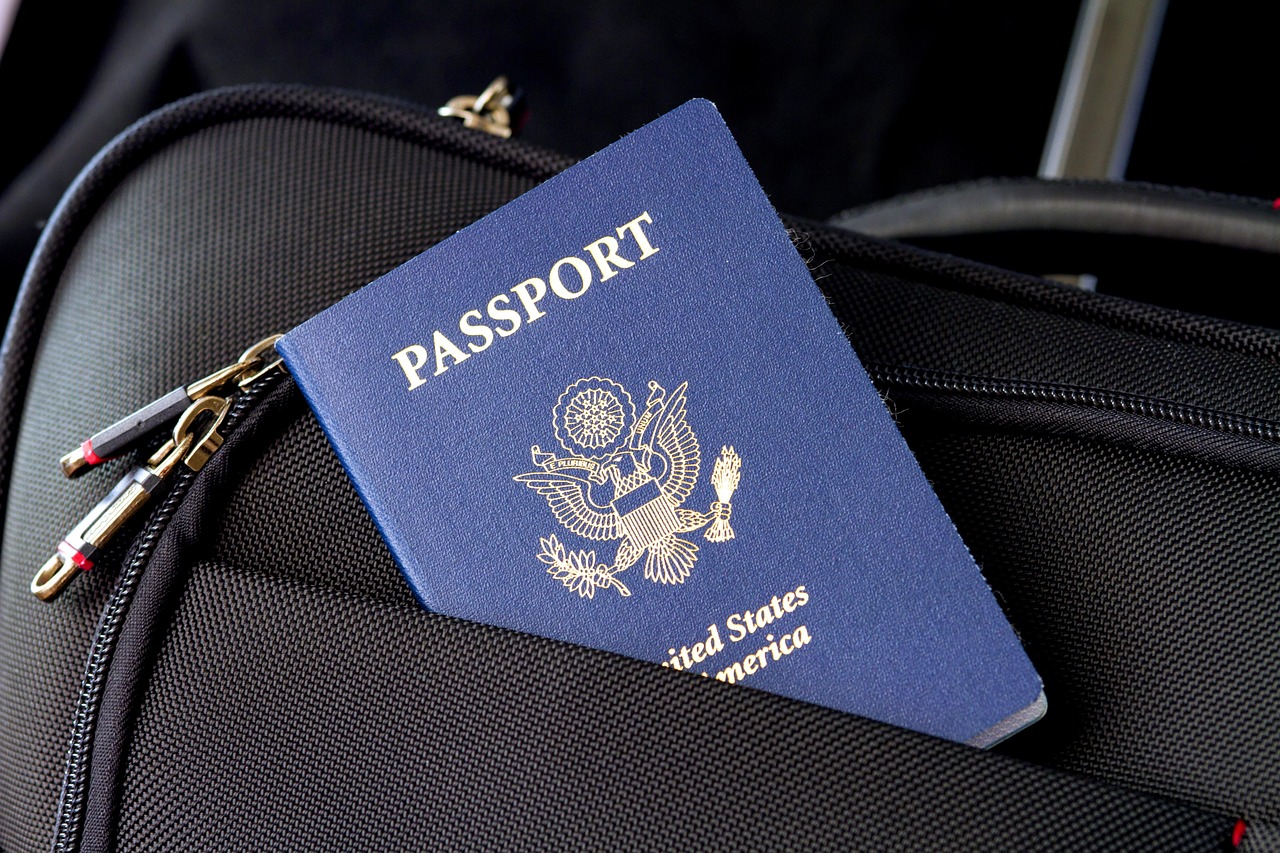
Passport inside a bag
-
- All travellers entering Tanzania must hold a valid passport with at least six months’ validity and one blank page.
- Visas can be obtained online in advance via the official portal https://visa.immigration.go.tz/. Applying online ensures a faster, smoother arrival process.
- Single-entry tourist visas are also available on arrival at major entry points: Dar es Salaam (DAR), Zanzibar (ZNZ), Kilimanjaro (JRO), Namanga (Kenya border), and Tunduma (Zambia border).
We always recommend applying for your eVisa in advance to avoid queues and ensure a seamless start to your trip to Tanzania. This process is not only efficient but also ensures that you have all the necessary documents for a smooth entry into the country, giving you peace of mind and confidence in your travel plans.
Visa on Arrival
Travellers who haven’t applied for an eVisa in advance can obtain a visa upon arrival at major Tanzanian entry points. The process is straightforward and handled directly by immigration officers.
Upon arrival:
- Complete the visa application form (available on board or at the airport).
- Proceed to the official visa counters, avoiding assistance from unauthorised individuals.
- Pay the visa fee: USD 100 for U.S. citizens or USD 50 for most other nationalities. Payment is accepted by credit card or bank transfer only.
- Collect your official receipt (yellow-orange with a silver seal) and ensure the number matches the visa stamp in your passport.
- Complete fingerprint and passport verification, then collect your luggage and exit the terminal.
- Your driver-guide will be waiting outside, holding a clearly marked sign for a smooth welcome.
While the visa-on-arrival option is convenient, we recommend applying for your eVisa in advance to save time and avoid queues.
Visa Requirements & Eligibility
Before travelling to Tanzania, ensure you have the following ready for a smooth arrival process:
- A valid passport (minimum six months validity, with at least one blank page)
- A completed visa form (available at immigration or online)
- Proof of onward or return travel
- Accommodation confirmation (hotel booking or invitation letter)
- A Yellow Fever vaccination certificate if arriving from or transiting through a high-risk country
Important: Not all nationalities qualify for a Visa on Arrival. Travellers from countries requiring a Referral Visa must apply online in advance via the official Tanzania Immigration website.
Visa on Arrival: Pros & Cons
Advantages:
- Convenient for last-minute travellers
- Simple and direct process if documents are complete
Limitations:
- Possible queues during busy travel seasons
- Payment methods can be time-consuming
- Not valid for all nationalities (e.g., those needing Referral Visas)
- Slight risk of delay or denial due to missing documentation
Hola Africa Tip: For a smoother and faster entry, we always recommend applying for your eVisa online in advance. It saves time and helps you begin your Tanzanian journey stress-free.
Tanzania Visa Fees
Visa fees for Tanzania are charged in US Dollars (USD) and vary depending on visa type and nationality. Please note that some online platforms or agents may charge additional processing fees.
Most Common Visa Types:
- Tourist Visa (Single Entry): USD 50 — valid for up to 90 days.
- Multiple Entry Visa: USD 100 — ideal for travellers making repeated visits within 12 months.
- Business Visa: USD 250 — for short-term business activities (up to 90 days).
- Transit Visa: USD 30 — valid up to 7 days with proof of onward travel.
- Student Visa: From USD 50 – 550, depending on program length (under 90 days to 2 years).
- Diplomatic/Gratis Visa: Free of charge.
- Referral Visa: Required for select nationalities; fees and approval times vary.
Special Note for U.S. Citizens:
Due to bilateral regulations, American travellers must apply for a Multiple Entry Visa for a cost of USD 100, valid for 12 months with multiple entries.
Hola Africa Tip: Apply only through the official Tanzania Immigration website https://visa.immigration.go.tz/ to avoid unnecessary third-party fees or delays.
Visa Payment Methods
Visa fees are typically paid online using major credit or debit cards (Visa or Mastercard). Payments in US Dollars (USD) are preferred to avoid exchange rate discrepancies or extra transaction fees
.
Necessary: We do not recommend using SWIFT bank transfers, as they can cause delays and complications in processing your application.
Hola Africa Recommendation
Whenever possible, apply for your eVisa online in advance through the official government portal. Doing so ensures a faster and smoother arrival process, helping you avoid long queues or last-minute stress at entry points.
Visa Processing: What to Know Before You Apply
A few key factors can influence how quickly your Tanzanian visa is processed:
- Accuracy Matters: Double-check every detail. Missing or incorrect information is the most common cause of delays.
- Payment Confirmation: Ensure your payment is successful; incomplete transactions can stall processing.
- Peak Seasons: During significant travel periods (Great Migration, holidays, or Kilimanjaro climbs), expect slower turnaround times.
- Additional Security Checks: Some applications may undergo extra verification, extending the wait.
- Office Closures: Tanzanian immigration offices do not process visas on weekends or public holidays.
- Referral Visas: If your nationality requires a Referral Visa, processing can take up to two months; apply well in advance.
- Apply Early: Submit your eVisa 2–4 weeks before travel to avoid last-minute issues, especially during busy months.
- Avoid Risk: Do not book non-refundable flights or hotels until your visa is approved.
- Track Your Application: Monitor your visa status directly at the official portal https://visa.immigration.go.tz/
Money & Currency in Tanzania

currency
Managing money in Tanzania is simple once you know what to expect.
Currency
The Tanzanian Shilling (TZS) is the local currency. U.S. dollars (USD) are widely accepted for most travel-related expenses, including safaris, hotels, and visa fees. However, small shops and local markets generally prefer TZS. For ease and flexibility, carry both currencies during your travels.
ATMs & Credit Cards
ATMs are easily accessible in major destinations such as Dar es Salaam, Arusha, and Zanzibar, with withdrawal limits ranging from TZS 200,000 to TZS 400,000 (approximately USD 80–160) and a small transaction fee per withdrawal.
Most lodges, hotels, and tour operators accept Visa and Mastercard; American Express is less common. Please note a 5–10% surcharge on card payments, which is due to local banking fees. Always carry a backup card or cash, especially when venturing into remote safari areas.
Traveller’s Cheques
Traveller’s cheques are not accepted in Tanzania and are best avoided.
Currency Exchange
Foreign currencies, particularly USD, EUR, and GBP, can be exchanged at banks or bureaux de change in major towns and airports. Exchange rates are typically more favourable at foreign exchange offices than at hotels or shops. While USD is widely accepted, smaller establishments may convert it at less favourable rates, so keeping Tanzanian Shillings on hand is advisable.
Hola Africa Insider Tip
For the best exchange rates and smooth transactions, bring crisp, newer US dollar notes issued after 2009. Older or damaged bills may not be accepted.
Travel Insurance
At Hola Africa, your safety is our highest priority. Comprehensive travel insurance is mandatory for all guests joining our safaris and experiences. Proof of coverage must be provided before your trip commences.
We strongly recommend choosing a policy that includes medical coverage, emergency evacuation, and repatriation. It should also cover trip cancellation, lost baggage, and personal liability, ensuring complete peace of mind throughout the entire journey.
If your policy is linked to a credit card provider, please confirm details in advance, including coverage limits and a 24-hour emergency contact number.
When to Purchase Travel Insurance
We recommend purchasing insurance immediately after booking your safari. Many insurers only offer cancellation coverage if the policy is activated within a short period after the reservation is made. Early purchase protects you from unforeseen events such as illness, delays, or emergencies that may affect your travel plans.
Recommended Travel Insurance Providers
While we don’t sell insurance directly, we recommend trusted international providers known for reliable coverage:
- For U.S. travellers: Travel Guard – offering Deluxe, Preferred, and Essential plans covering high-altitude trekking, medical evacuation, and trip interruption.
- For other regions: World Nomads – ideal for adventure travellers with flexible, activity-specific protection.
Before purchasing, ensure your policy includes coverage for medical emergencies, delays, trip cancellations, and personal belongings.
Essential Coverage Checklist
Your insurance policy should include:
- Emergency medical and evacuation cover (including high-altitude trekking such as Kilimanjaro).
- Trip cancellation or interruption for any cause.
- Personal injury, loss, or theft coverage.
- Repatriation and rescue services.
Travel Insurance Costs and Regional Requirements
Cost of Travel Insurance
The price of travel insurance varies depending on your age, health condition, travel duration, and the level of coverage you select. Policies are usually available as single-trip, multi-trip, or annual plans. If you already hold a multi-trip policy, ensure it provides complete protection for medical emergencies, trip cancellations, and adventure activities during your time in Tanzania.
Zanzibar Mandatory Travel Insurance
Effective October 1, 2024, all travellers to Zanzibar are required to obtain Zanzibar Mandatory Travel Insurance, regardless of any existing international coverage.
The insurance, costing USD 44 per person, must be purchased in advance. After payment, each traveller receives a QR code that must be presented upon arrival.
This policy covers emergency medical treatment, repatriation, personal accidents, baggage loss or delay, and legal liabilities. You can apply directly through the official site: https://visitzanzibar.go.tz/
Health & High-Altitude Insurance
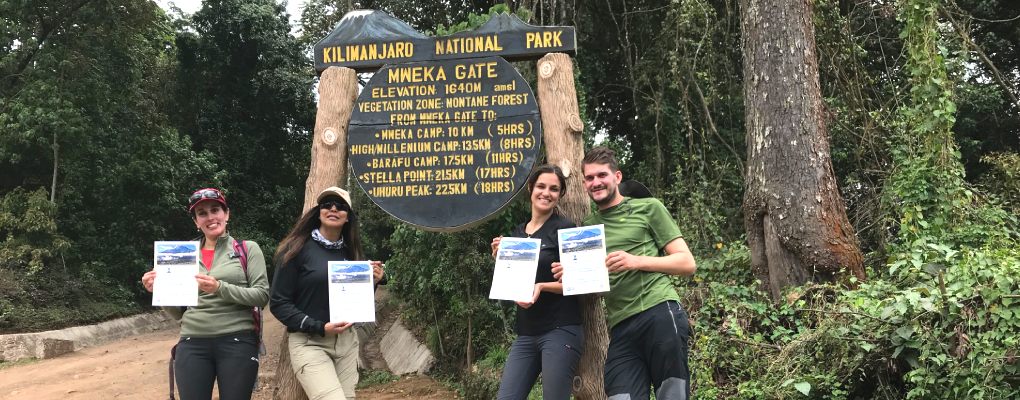
A group of hikers at mweka gate celebrate
Medical facilities in remote safari areas are limited, making comprehensive medical insurance with evacuation coverage essential. Your policy should cover both treatment and emergency repatriation to your home country.
For guests climbing Mount Kilimanjaro, note that most standard policies only cover altitudes up to 4,500 meters. Since Kilimanjaro’s summit reaches 5,895 meters, you’ll need a specialised plan that includes high-altitude trekking (up to 6,000m) and helicopter evacuation.
Health & Vaccination Guidelines
Health Precautions
Before your journey, consult your doctor for the latest health advice and recommendations on malaria prevention. Malaria prophylaxis is strongly recommended year-round for all destinations in Tanzania, regardless of altitude, to prevent infection. Ensure you also carry essential prescription medications and a basic first-aid kit for your safari or beach stay.
Vaccination Requirements
Yellow Fever Vaccination is Mandatory for travellers arriving from, or transiting (over 12 hours) through, countries classified as yellow fever risk zones. Proof of vaccination must be presented upon arrival in Tanzania.
If you are medically exempt or allergic to the vaccine, you must carry an official doctor’s certificate of exemption to present at immigration. Infants under 6 months of age are not required to receive vaccinations.
Should vaccination be required on arrival, the fee is USD 50 for foreign visitors and TZS 30,000 for Tanzanian and East African Community residents. An official receipt will be issued after payment.
Rabies Vaccination
Recommended (Not Mandatory)
While rabies vaccination is not a travel requirement for Tanzania, it is strongly recommended for guests who may come into close contact with animals or wildlife. This includes travellers participating in camping, walking safaris, cultural village visits, or those spending time in rural areas.
Although rare, rabid animals, particularly dogs, can occasionally be found in remote regions where immediate medical attention may be limited. Even a small bite or scratch can carry serious risk, so ensuring your vaccination is up to date provides valuable peace of mind during your journey.
For families, Hola Africa particularly advises that children receive rabies protection before travel, as they are more likely to come into close contact with animals and may not always report minor injuries.
Health & Safety Tips for Travellers
Malaria Prevention
Tanzania lies within a malaria zone, and mosquito protection is essential. Consult your doctor or a travel clinic before departure to determine the most suitable anti-malarial medication. Additionally, use insect repellent, wear long sleeves at night, and sleep under a treated mosquito net.
Prescription Medications
Bring all required prescription medicines from home, as some may be difficult to find in Tanzania. Always carry them in their original packaging, accompanied by a copy of your doctor’s prescription or a medical note confirming personal use. Be aware that certain medications that are legal in your country may not be permitted in Tanzania.
Drinking Water & Hydration
Avoid drinking tap water during your stay. Always use bottled or filtered water provided by your lodge or hotel. Staying hydrated is crucial in Tanzania’s warm climate — aim for at least two litres of safe water per day to maintain your energy throughout your safari.
Digestive Health
Traveller’s diarrhoea can occur when adjusting to new environments. We recommend packing basic anti-diarrheal medication and following simple hygiene practices, such as washing hands frequently and avoiding raw or unpeeled foods in local markets.
Tsetse Flies
Tsetse flies are found mainly in woodland areas across Tanzania’s Northern Circuit — including Serengeti, Tarangire, and Manyara. Their bites can cause discomfort and, in rare cases, transmit sleeping sickness.
To reduce risk, wear neutral-coloured clothing (avoiding dark or bright colours), long sleeves and trousers, and apply insect repellent generously. Avoid dense bushes where these flies are most active.
At Hola Africa, your comfort and well-being are our top priority — with a few smart precautions, you can focus on enjoying your safari adventure safely.
