
Your Ultimate Guide to Climbing Kilimanjaro
For centuries, the legendary snows of Kilimanjaro have called out to adventurers. Rising proudly above the plains, this majestic giant invites you to take on the ultimate challenge: conquering Africa’s highest peak, the Roof of Africa.
With six routes leading to the top, each trail offers its own beauty, challenges, and rewards. The path you choose will define your journey, shaping the story you’ll tell for a lifetime.
Kilimanjaro Tour
Kilimanjaro is more than a mountain; it is a journey through rainforest, moorlands, alpine desert, and finally the icy summit, a diamond crown above the clouds. Reaching Uhuru Peak is not just a climb; it’s the moment you etch your name on the Roof of Africa.
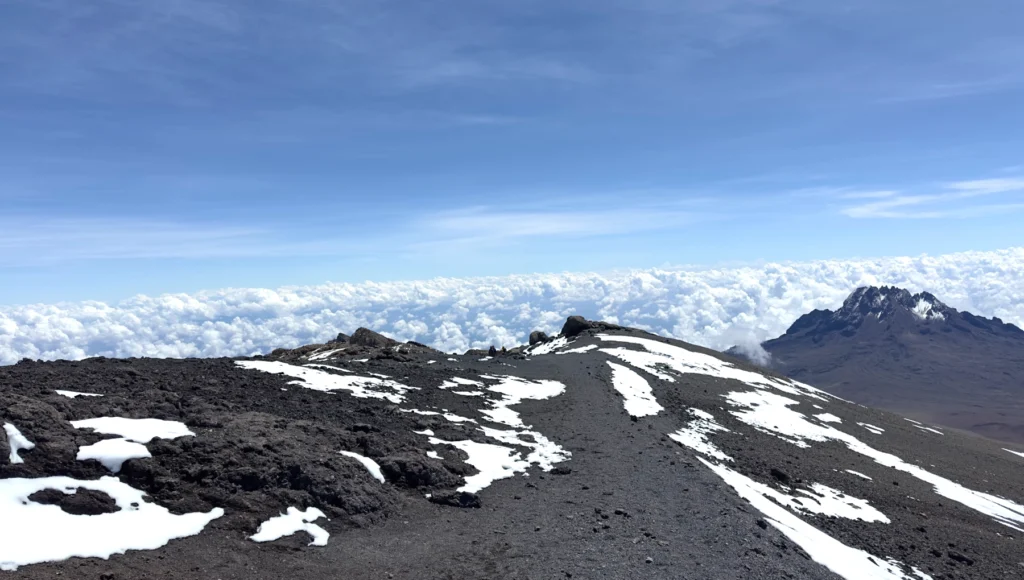

For the best summit success, choose a 7+ day climb on the Lemosho or Rongai route. Longer itineraries improve acclimatisation and reduce altitude risks. Both routes offer gradual ascents and high success rates, while the Machame route adds stunning scenery with strong summit chances.
Kilimanjaro Challenge: What Every Climber Should Know
Can Beginners Really Conquer the Roof of Africa?
Climbing Kilimanjaro is a true adventure, demanding, inspiring, and unforgettable. With no technical skills required, both beginners and experienced trekkers can take on the challenge. The hardest part comes in the final push, where altitude and stamina test your determination.
Success on Kilimanjaro is built on one principle: acclimatisation. Choosing a longer 7–8 day route gives your body the time it needs to adapt to the mountain’s altitude, boosting your summit chances while reducing risks of altitude sickness.
What makes the difference is the team behind you. Our expert guides are motivators and guardians, knowing when to encourage, pace, and support. With Hola Africa, your climb is not just about summiting, it’s about experiencing every step safely and fully.
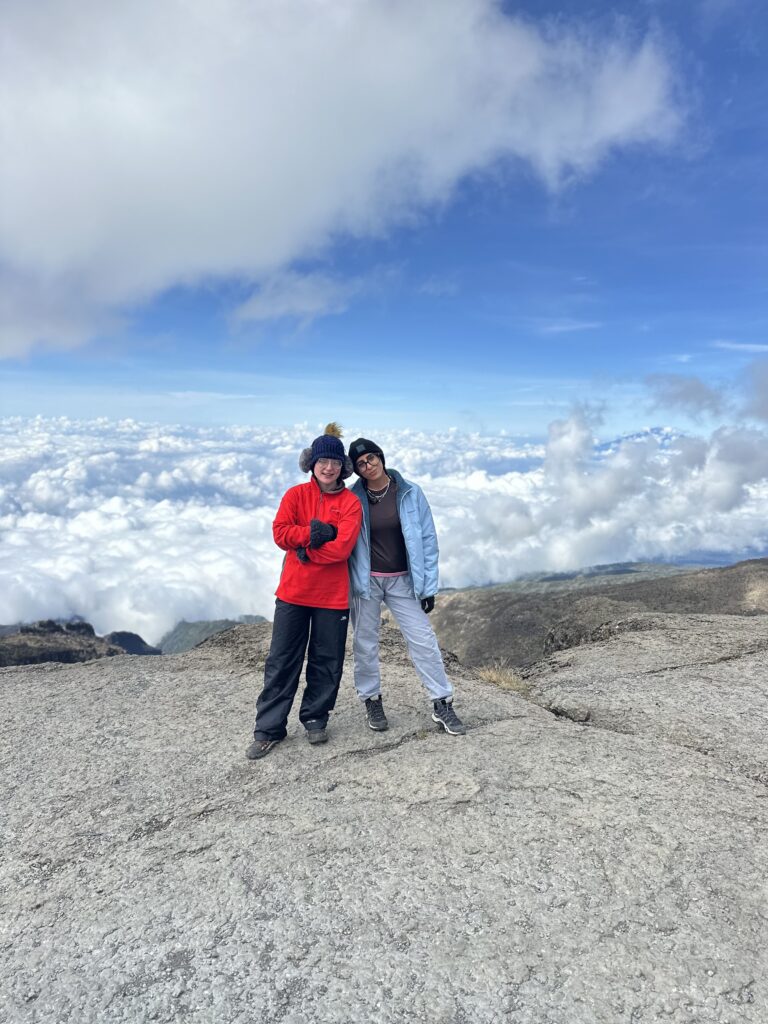
Kilimanjaro Itinerary with Hola Africa
At Hola Africa, we deliver the ultimate African journey, from Kilimanjaro’s glaciers to the Serengeti and Zanzibar, combining summit, safari, and sea in one adventure.
12-Day Adventure: Climb Kilimanjaro on a 7-day ascent, then explore Tarangire and Ngorongoro on a 2-day safari, perfect for first-time adventurers.
13/14-Day Grand Expedition: Tackle a 7-day ascent, followed by a 4-day safari across Serengeti and Ngorongoro. End in Zanzibar with turquoise waters and white sands.
Every Hola Africa itinerary ensures success, comfort, and discovery, with acclimatisation, seamless logistics, and handpicked stays for a safe, rewarding journey.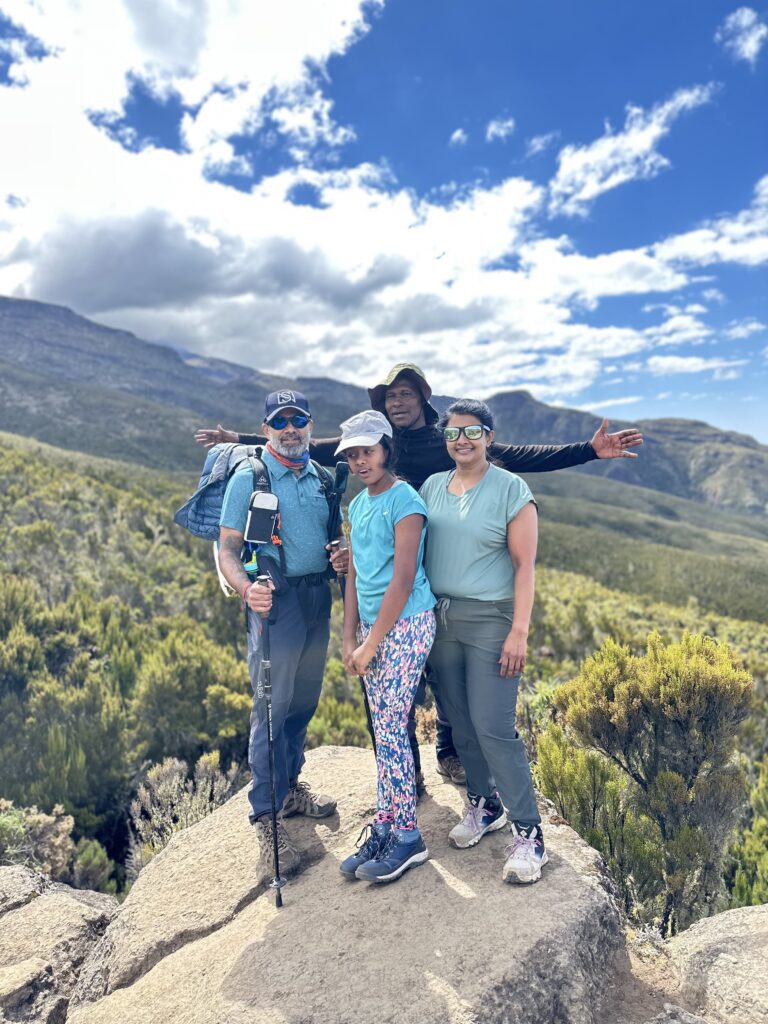
Before You Climb: Kilimanjaro Essentials
THE HIGHEST
Mountain in Africa
THE HIGHEST
Volcano in the eastern hemisphere
THE HIGHEST
World heritage site
one of the
seven summit
valcano in the eastern hemisphere
the highest
5-9 Days
Kilimanjaro Hiking Durations
$3,300
Average Climb Cost
95%
Summit Success Rate
Hola Africa’s Kilimanjaro Guide: The Roof of Africa Awaits
When is the Best Time to Climb Kilimanjaro?
The most favourable times to climb are late December to early March and mid-June to late October, when skies are clear and conditions are stable. Other months may see rain, but showers often come later in the day, leaving good trekking windows. Even in wetter seasons, full dry days are still common.
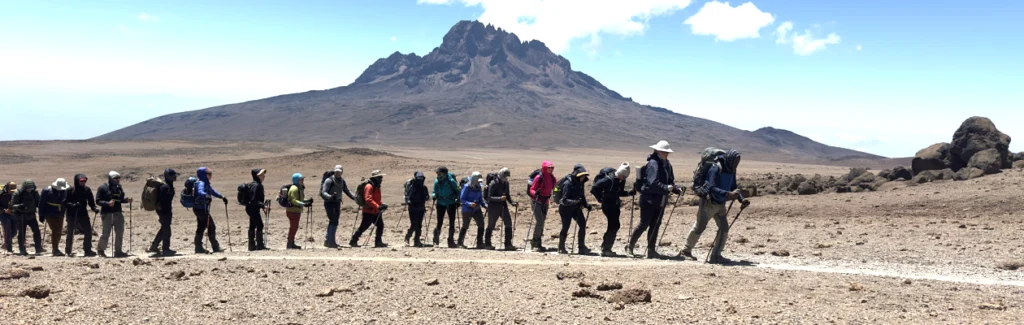
How Much Does a Kilimanjaro Climb Cost?
With Hola Africa, a 7-day group climb averages $2,400. Shorter 5–6 day trips or seasonal options range $2,200–$2,700, including national park fees that make up nearly 40% of the cost. Beware of cheaper offers; they often mean poor porter care, unsafe standards, and hidden compromises. With us, every dollar goes toward safety, fairness, and the highest chance of summit success.
Train Smart, Summit Strong
Reaching the Roof of Africa doesn’t require elite fitness, just the right preparation. If you can run 5 km or hike 10 km comfortably, you’re ready to start training. Build endurance and strength through hiking, cycling, swimming, or running on varied terrain, so your body is prepared for the mountain’s changing conditions. With the right preparation, your climb becomes safer, smoother, and far more rewarding.
What Risks Should You Expect on the Mountain?
The main challenge on Kilimanjaro is altitude, which can trigger Acute Mountain Sickness (AMS). Left unmanaged, it can escalate, but the good news is that AMS is largely preventable.
Hola Africa recommends 7–8 day climbs, giving your body time to adapt. Our guides set a steady pace, keep you hydrated, and monitor your health daily. Each team includes Wilderness First Responder–trained professionals, ready for any situation. With Hola Africa, you’re never alone; you climb with experts who put your safety first, giving you the best chance to reach Uhuru Peak with confidence.

Kilimanjaro Packing Guide
Your complete checklist of essential gear for a safe and successful climb.What to Pack for Your Kilimanjaro Adventure
Ready for Every Climate
Kilimanjaro takes you through five climate zones: rainforest, moorland, alpine desert, and icy summit. Temperatures swing from –15°C (5°F) at night near the peak to 20°C (68°F) at the base, making smart packing essential.
Pack Smart, Climb Strong Weather shifts fast on the mountain; sunshine can turn to rain or wind within minutes. To stay safe and comfortable, bring layered clothing, sturdy boots, a warm sleeping bag, trekking poles, and other essentials. Hola Africa provides a complete packing list to ensure you’re fully prepared.
Fadhili Mlema
Insider's Take
At 5,895m (19,341ft), Kilimanjaro’s biggest danger is altitude sickness from poor acclimatisation. Cheap operators risk lives with unqualified guides and substandard gear. With Hola Africa, safety comes first. Our Wilderness First Responder–certified guides, reliable equipment, and carefully planned routes ensure your best chance of a safe and successful summit. Hola Africa, where safety meets success.
Find Your Perfect Kilimanjaro Route
Every route is different; some offer higher success rates, others scenic beauty or quiet trails. The right choice depends on your goals, fitness, and adventure style. With Hola Africa, our experts match you to the route that maximises success and delivers the most rewarding experience.
Your climb. Your route. Your story, with Hola Africa.
Machame Route
The Machame Route, or “Whiskey Route,” is Kilimanjaro’s most popular trail, celebrated for its scenic variety and high success rates. Over 6 or 7 days, it climbs from lush rainforest to moorland, alpine desert, and the glaciers of Uhuru Pea
Pros:
- Spectacularly scenic with ever-changing landscapes.
- 7-day option offers superior acclimatisation and summit success.
Cons:
- Can be busy during peak climbing seasons.
- 6-day option gives less acclimatisation, best for experienced trekkers.
Starting on Kilimanjaro’s southern slopes, Machame combines challenge, beauty, and reward. For the best balance of comfort and success, Hola Africa recommends the 7-day itinerary, the top choice for both group and private climbs.
Lemosho Route
The Lemosho Route delivers the ultimate mix of beauty, acclimatization, and summit success. Starting on Kilimanjaro’s quiet west, it crosses rainforest, moorland, alpine desert, and glaciers before leading you to Uhuru Peak (5,895m).- Unmatched scenery: The most stunning and photogenic route.
- Best acclimatisation: 7–8 days for altitude adjustment, highest success rates.
- Peaceful start: Remote western trail before joining Machame.
- Longer & pricier: More days, higher cost.
- Crowding later: Final stretch merges with Machame Route.
Marangu Route
The Marangu Route, also known as the “Coca-Cola Route,” is Kilimanjaro’s oldest path and the only one with hut accommodations instead of tents. Usually completed in 5 or 6 days, it’s a simple, direct, and budget-friendly process, but also one of the busiest.
Pros:
- Hut accommodation: Sleep in shared mountain huts for extra shelter.
- Gentle start: Gradual initial ascent compared to other routes.
- Budget-friendly: One of the lower-cost Kilimanjaro options..
Cons:
- Lower success rate: Especially poor on the 5-day option due to limited acclimatisation.
- Less scenic: Same trail up and down, offering fewer landscapes.
- Crowded: Busy trails and shared huts during peak season.
Marangu is affordable and straightforward, but limits acclimatisation and scenery. For those choosing this route, Hola Africa strongly recommends the 6-day option to improve summit success.
Rongai Route
The Rongai Route climbs Kilimanjaro from the northern side near the Kenyan border, offering a unique, less-crowded alternative to the busier southern trails. Known for its drier conditions and gradual ascent, the Rongai route is usually completed in 6 or 7 days and is a favourite for those seeking solitude and reliability during wetter seasons.- Peaceful trail: Fewer trekkers, especially in the early stages.
- Drier conditions: Ideal during the wet months.
- Gentle ascent: Gradual slopes support acclimatisation.
- Remote access: Longer drive to the trailhead.
- Shared descent: Merges with Marangu, so busier at the end.
- Camping only: No huts, tented accommodation throughout.
Umbwe Route
The Umbwe Route is Kilimanjaro’s steepest and most demanding trail. With rapid altitude gain and little time to acclimatise, it’s completed in 5 or 6 days and is considered the toughest path, a true test for elite climbers.
Pros:
- Spectacular scenery: Stunning views from the rainforest to Barranco Wall.
- Exclusive feel: The least crowded trail on Kilimanjaro.
- The ultimate challenge: Suited for elite, highly experienced trekkers.
Cons:
- Extremely steep: Rapid altitude gain leaves little time to adapt.
- Low summit success: One of the hardest routes for acclimatisation.
- Not for beginners:Requires top fitness and prior high-altitude experience.
Starting in Kilimanjaro’s southern rainforest, Umbwe is for expert mountaineers only. Its steepness and low success rate make it unsuitable for most, but for those seeking the purest challenge and solitude, it delivers an unmatched test of endurance
Northern Circuit Route
The Northern Circuit is Kilimanjaro’s newest and longest trail, offering a full circumnavigation with unmatched panoramic views. Completed in 8 or 9 days, it’s regarded as the premier route for those seeking the most complete Kilimanjaro experience
Pros:
- Highest success rate: Longest itinerary with superior acclimatisation.
- Peaceful trail: Remote and less crowded, especially on the northern slopes.
- Spectacular scenery: 360° views and diverse landscapes around the mountain..
Cons:
- Longest & most expensive: Requires more days and a higher cost.
- Camping only: No huts, tents throughout the climb.
Starting on the west and branching north from Lemosho, the Northern Circuit offers the best acclimatisation, the widest scenery, and the quietest trekking. For climbers seeking maximum success and the ultimate adventure, Hola Africa recommends the 9-day option.
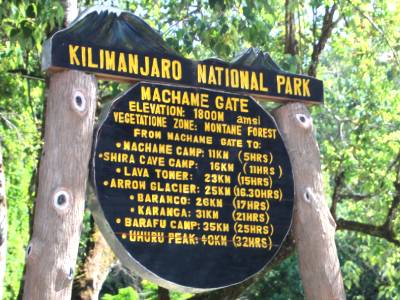
Machame route
The Machame Route (Whiskey Route) is Kilimanjaro’s most iconic trail, blending challenge, scenery, and high success rates. Over 6 or 7 days, you’ll trek from rainforest to glaciers, experiencing Kilimanjaro’s most dramatic landscapes.
With excellent acclimatisation on the 7-day option, authentic tented camps, and seamless Hola Africa logistics, Machame offers the perfect balance of adventure and achievement.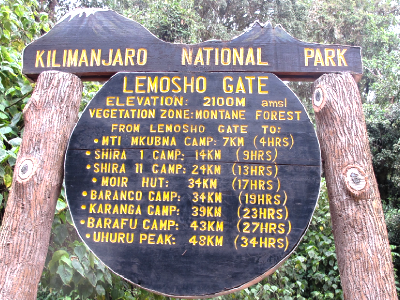
The Lemosho Route
The Lemosho Route is Kilimanjaro’s most scenic and successful trail, starting from the quiet west and passing rainforest, moorland, and alpine desert before reaching the glaciers of Uhuru Peak.
With 7–8 days for gradual acclimatisation, it offers one of the highest summit success rates while avoiding early crowds for a peaceful start. For unbeatable scenery, comfort, and summit success, Hola Africa recommends Lemosho as the top choice.
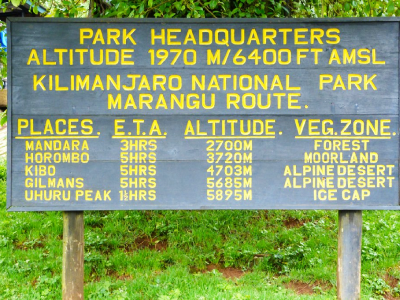
Marangu Route
The Marangu Route (Coca-Cola Route) is the only Kilimanjaro trail with hut accommodations, offering simple shelter instead of tents. Choose the 6-day option for the best success rate (60–70%); the 5-day trek has much lower chances due to poor acclimatisation.
Gentle and budget-friendly, Marangu is also the most crowded, ideal for climbers seeking comfort and simplicity over solitude.
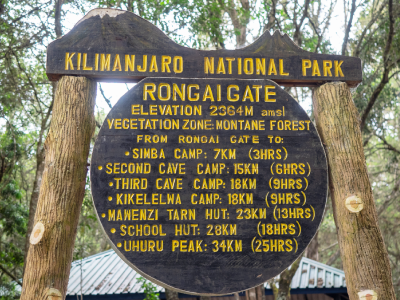
Rongai Route
The Rongai Route approaches Kilimanjaro from the north near the Kenyan border, offering sweeping views, drier conditions, and far fewer crowds.
With a gentle ascent profile, it’s ideal during wet seasons and perfect for climbers who value solitude. The descent follows the Marangu Route, adding variety to the journey.
For the best balance of acclimatisation, scenery, and summit success, Hola Africa recommends the 7-day Rongai itinerary.
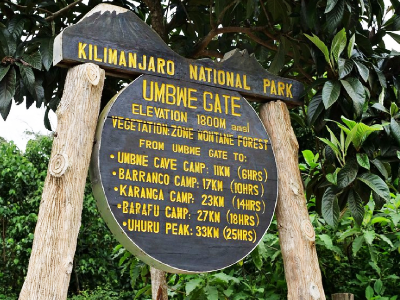
Umbwe Route
The Umbwe Route is Kilimanjaro’s steepest and most demanding trail, built for elite, experienced trekkers seeking a raw and uncompromising climb. With its direct ascent and minimal acclimatisation, it stands as the toughest path on the mountain.
What Umbwe takes in difficulty, it gives back in reward: dramatic views, unmatched solitude, and an extraordinary sense of triumph reserved only for the most determined climbers.
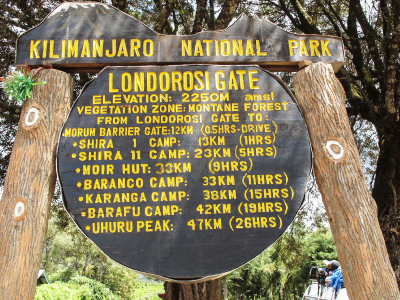
northern circuit Route
The Northern Circuit is Kilimanjaro’s longest and most exclusive route, offering 8–9 days of trekking with the best acclimatisation and the highest summit success rate.
Circling the mountain from the west to the north, it delivers breathtaking 360° views, remote trails, and a truly immersive adventure.
Though it requires more time and cost, the Northern Circuit is the ultimate choice for climbers seeking success, serenity, and unrivalled scenery.Kilimanjaro groups to join in 2025-2026
Read our review of group Kilimanjaro climbs to learn how they’re different from private treks
24
Jan
4th of Jan summit via machame route - 7 Days
From 28th Jan 2026
3,060$ Per Person
Lorem ipsum dolor sit amet, consectetur adipiscing elit.
Lorem ipsum dolor sit amet, consectetur adipiscing elit. Ut elit tellus, luctus nec ullamcorper mattis, pulvinar dapibus leo.
Book Your Kilimanjaro Adventure with Hola Africa
Planning your climb should be as smooth as your summit journey. At Hola Africa, we make booking simple, transparent, and stress-free, so you can focus on the adventure ahead.
Fadhili Mlema
BASED IN TANZANIA
Dreaming of the summit? Your Kilimanjaro journey starts here.
Our team in Tanzania is ready to guide you every step of the way.
Kilimanjaro Climb Questions, Answered by Experts
Which travel insurance is best for Kilimanjaro?
When considering travel insurance for your Kilimanjaro climb, Hola Africa recommends Global Rescue or World Nomad due to their reliable services. Your policy should specifically include three crucial components:
- High-altitude trekking coverage up to 6,000 meters.
- Helicopter evacuation in case of emergencies.
- Comprehensive medical services.
How can I travel to Mount Kilimanjaro?
The most convenient and stress-free way to reach Mount Kilimanjaro is by flying into Kilimanjaro International Airport (JRO) in Tanzania. From JRO, it’s just a short 50-minute drive to Moshi, the town where most climbs commence. For additional information on travelling to Tanzania, please refer to our detailed guide.
When is the best time to visit Tanzania?
Tanzania experiences two distinct rainy seasons and two dry seasons annually. The short rainy season typically runs from early November to late December, followed by a dry season lasting until mid-March. The long rainy season then commences, concluding in mid-June.
For Kilimanjaro climbs during the rainy season, Hola Africa recommends considering routes on the mountain’s northern slopes. These areas, according to data from the Tanzania Meteorological Authority, receive significantly less rainfall, up to five times less. This makes them more suitable for climbing during the rainy season. Suitable Kilimanjaro routes for these periods include the Rongai, Northern Circuit, and Marangu routes.Kilimanjaro: How Many Days to Summit?
While a Kilimanjaro ascent can be completed in a minimum of 5 days, Hola Africa advises that most expeditions span 6 to 8 days. This extended itinerary significantly enhances acclimatisation, which is crucial for increasing your chances of reaching the summit. Rest assured, for those seeking a more comprehensive experience, extended routes, including options with an overnight stay in the crater, can last 10 days or even longer, with all necessary safety measures in place.
Posted on Tripadvisor
 Sébastien G8 days ago
Verified
Expérience hors du temps Une expérience et des découvertes extraordinaires grâce à notre guide Emmanuel et notre conducteur Kelvini. Encore merci à vous.Posted on Tripadvisor Jessica S8 days agoWunderschönes Erlebnis Es war ein sehr schönes Welebnis. Wir haben viel gesehen (Löwen, Giraffen, Elefanten, etc.). Unser Reiseleiter Pascal hat uns auf Deutsch über die Tiere berichtet. Wir würden es jedem empfehlen der in Tansania/Sansibar Urlaub macht.Posted on Tripadvisor
 Lysa D8 days ago. Patrick est un très bon guide je recommandePosted on Tripadvisor
 arnaud v9 days agoSafari 1 jour Park Mikumi au départ de Zanzibar Bien sûr 👍 Si tu parles du dernier texte TripAdvisor pour remercier Emmanuel et Ali, le voici : Un immense merci à Emmanuel, notre guide, et à Alli, notre chauffeur, pour ce magnifique safari ! 🐘🦁 Grâce à leur professionnalisme, leur gentillesse et leur parfaite connaissance du parc, nous avons pu observer énormément d’animaux et vivre une expérience exceptionnelle. Une superbe aventure que nous n’oublierons pas. Merci à tous les deux pour ces merveilleux souvenirs ! 🙏🌍Posted on Tripadvisor
 Laurie P9 days agoSuper expérience avec Emmanuel et Patrick Emmanuel et Patrick ont été tres gentils ils sont très accueillant et surtout on a pu quasiment tout voir tout en restant respectueux avec la nature merci pour toutPosted on Tripadvisor
 Busra T13 days agoSafari Mikumi Fijne ervaring . Alles goed geregeld met het ophalen en brengen. De gids en chauffeur hele vriendelijke mensen. Ze doen hun best om ervoor te zorgen dat je alle dieren ziet! Zeker een aanraderPosted on Tripadvisor
 Maevane Suwannee13 days agoIncroyable Meilleure activité de notre voyage. Premièrement l'organisation du début jusqu'à la fin a été satisfaisante ( même si malgré un retard sur le vol retour ) . Nous avons pu voir la plus part des animaux, dès le début nous avons pu nous rapproché des lion. Nous remercions notre chauffeur Pascale ainsi que notre guide Mosise qui ont été très bons. Petit conseil habille vous de couleurs clair et en pantalon ainsi ne pas oublié une paire de lunette.Posted on Tripadvisor
 Jule O.13 days agoUnvergessliches Abenteuer Wir waren am 24.09.2026 auf einem Safari-Tagesausflug. Wir waren beeindruckt und sehr begeistert. Es hat alles bestens funktioniert. Wor würden pünktlich um 4.30uhr von unserem Hotel abgeholt. Der Check-in am Flughafen war organisiert und alles hat bestens geklappt. Pünktlich 7Uhr ging es dann von Sansibar nach Tansania rüber. Etwa 50min hat der Flug gedauert. Angekommen im Mikumi Nationpark hat uns der Fahrer und unser Guide in Empfang genommen. Wir hatten eine deutschsprachige Tour gebucht. Innocent unser Guide war einfach klasse. Er hat uns soooo viel über den Park und die Tiere erzählt, einfach nur super. Unser Fahrer war super, er hat immer versucht den Tieren so nah wie möglich zu kommen. Es war wirklich aufregend und eine ganz besondere Erfahrung. Das Mittagessen war ebenfalls gut. Ich habe eine Glutenunverträglichkeit und hatte dies im Vorfeld schon angemeldet. Es war absolut kein Problem. Während der Pirsch wurde nochmals nachgefragt und es war alles vorbereitet. Reis, Hähnchen, Pommes, Gemüse und Wassermelone konnte ich problemlos essen. Nach der Pirsch hatten wir noch etwas Zeit, da das Flugzeug noch nicht da war, und Innocent hat uns viele Dinge über das Leben in Tansania erzählt. Das war wirklich toll. Wir möchten uns ganz herzlich bei Innocent und unserem Fahrer für den unvergesslichen Tag bedanken. P.s. Auf dem Flug gab es sogar für jeden eine Flasche Wasser. Maximal 37 Personen sitzen im Flieger.Posted on Tripadvisor
 Romain D14 days agoUne journée incroyable, Un moment hors du temps. Une expérience extraordinaire, un énorme MERCI du fond du cœur à Emmanuel et Alli pour leurs dévouements, explications et complicités entre eux et avec nous. Une expérience inoubliable à refaire et faire découvrir. Merci encore Romain et Céline Pas trop vite le matin, doucement l’après midi, Et le soir Tranquille 😉Posted on Tripadvisor
 Mat & Jany15 days agoOutstanding ⭐️⭐️⭐️⭐️⭐️ My wife and I returned from a 2 day safari and river trip. We flew from Zanzibar airport to Nyerere airfield. Upon leaving our plane we were greeted by two absolute fantastic guides SHIJA (GUIDE) HAMZA( GUIDE) These two really made our trip honestly. Request them if possible. Their knowledge and professionalism is outstanding. We got to see all the animals. The guides provided snacks ( Rice bun) unreal! Then a fantastic lunch before more signs in the African sunshine. Hola Africa is an excellent company and I can’t recommend them enough. At the end of day one we were through the village of Maloka. It’s such a special moment driving with the guides and seeing the community happy, smiling a so welcoming. We stayed at the wonderful Selous safari lodge. Again a very warm welcome by Mary and her team. The dinner was delicious before a relaxing night in the large comply bed. After a fresh coffee and breakfast we were excited to see Hamza and SHIJA again as these two really love what they do and their laugh is infectious with their stories. We went to the river for a river tour with the Capt and Ahmed ( I think) both were great and took us as close but safe to the Hippo’s, We returned to the lodge for lunch before our return flight to Zanzibar. The animals we saw were Lions, elephants. Zebra, giraffes, Hippo, water buffalo. Pumba (lol), hyenas, crocs. Loads of monkeys and African birds plus much more. The guides provided so much knowledge into the area and animals. It is clear they care a lot. We were that greatful for the service of the guides we are sending some football shirts as an extra thank you Fantastic company and amazing guides If you want an opportunity of a lifetime I highly recommend this safari and their guides Mat & Jany

Unforgettable Tanzania; Your Adventure, Perfected
Ready to plan your dream safari?
Please tell us what excites you, and we’ll craft a personalised Tanzania itinerary in less than 3 hours.

Tanzania Travel Advice: Entry, Visas, Health & Travel Essentials

Climbing Kilimanjaro: Why do a Licensed Guide and Support Team Matter?

Kilimanjaro Climb Cost: What You Need to Know?

Kilimanjaro Tipping Guide – What You Should Know
Every successful Kilimanjaro climb is powered by a dedicated team of guides, porters, and cooks who make your journey possible. Tipping is your opportunity to express gratitude to these heroes for their strength, care, and dedication.
We guarantee that every contribution is shared fairly and transparently among the crew who help you reach the Roof of Africa.
Kilimanjaro Climbing FAQs
Welcome to the Roof of Africa, Mount Kilimanjaro. Rising 5,895 meters above the clouds, this is where dreams meet determination. With over 8 years of expertise and more than 1,000 successful climbs, Hola Africa takes you beyond the ordinary, crafting safe, seamless, and life-changing summit experiences.
This isn’t a technical climb; it’s a journey of endurance, willpower, and awe. From your first briefing to your final sunrise on Uhuru Peak, our expert mountain crew is with you every step of the way. Your adventure to Africa’s highest point starts here.