
How Hard Is It to Climb Mount Kilimanjaro?
Climbing Mount Kilimanjaro is not a technical climb; it’s a challenging but doable hike. You don’t need ropes, harnesses, or any mountain climbing gear, just good fitness, determination, and the right team to guide you. With more than ten years of experience, Hola Africa has helped thousands of travellers reach the summit safely. With the proper preparation and support, anyone with the will to do it can stand proudly on the Roof of Africa.
Altitude Challenge
At 5,895 meters (19,341 ft), the air at Kilimanjaro’s summit has much thinner oxygen levels, which are about 50% lower than at sea level. This can make breathing harder and increase the risk of altitude sickness. To help your body adjust, Hola Africa recommends longer routes such as Lemosho, Northern Circuit, or Rongai. These routes give you more time to acclimatise and make the climb safer and more enjoyable.
Endurance and Fitness
You’ll spend 6 to 9 days on the mountain, hiking 4–8 hours each day through different landscapes from rainforest to rocky paths and ice-covered slopes. The most challenging part is the final push to the summit, which typically begins around midnight and lasts 10–14 hours of steady hiking in cold and windy conditions. It’s not easy, but with Hola Africa’s professional guides, encouragement, and good preparation, you can make it to the top. The moment you see the sunrise from Uhuru Peak makes every step worth it.
Mental Strength: The Real Key to the Summit
Climbing Kilimanjaro is as much a mental challenge as it is a physical one. Long days, cold weather, and the thin air can test even the strongest hikers. The secret is to stay positive, patient, and focused, one step at a time.
At Hola Africa, we always say “Pole Pole,” which means “slowly, slowly” in Swahili. A steady pace helps your body adjust to the altitude and keeps your energy for the summit day. Remember, it’s not a race, it’s a journey of determination and mindset.
How to Prepare Before You Climb
Getting ready for Kilimanjaro doesn’t mean extreme workouts; it means building steady fitness, strength, and confidence. Begin training 2–3 months before your climb, focusing on endurance, breathing techniques, and overall body strength.
Cardio & Stamina
Do activities that build your lungs and stamina, such as:
- Running or jogging.
- Hiking (try carrying a small backpack to get used to it).
- Cycling or stair climbing.
- Swimming.
Try to train 3–4 times a week, and gradually increase your pace and duration as your climb approaches.
Strength & Core
Strong legs and a stable core make a huge difference. Add simple exercises like:
- Squats, lunges, and step-ups for leg power.
- Planks and sit-ups for core strength.
- Shoulder and back exercises to help carry your daypack comfortably.
Remember, the stronger and calmer you feel before the climb, the more enjoyable every step will be.
Practice Makes Perfect
The best way to prepare for Kilimanjaro is to get out and hike regularly.
Try longer walks of 4–6 hours, with both uphill and downhill sections, to build stamina and become accustomed to walking for several hours a day. It’s also a great time to break in your hiking boots and test your gear before the big climb.
Listen to Your Body
Rest and recovery are just as important as training. Take rest days, eat well, and stay hydrated during your training. Kilimanjaro doesn’t require technical climbing skills, but it does require good fitness, brilliant pacing, and strong willpower. At Hola Africa, we’ll guide you safely every step of the way, helping you balance effort, rest, and altitude adjustment for a safe and successful summit.
How Safe Is It to Climb Kilimanjaro?
Kilimanjaro is one of the safest high-altitude climbs in the world; however, the altitude itself poses the primary challenge. As you ascend higher, the air becomes thinner, which can lead to altitude sickness (AMS). That’s why proper acclimatisation, a steady pace, and expert guidance are essential. Our experienced Hola Africa guides are trained in altitude management and first aid, ensuring your trek remains both safe and enjoyable.
Understanding Altitude Sickness
Almost three-quarters of climbers feel some mild effects of altitude above 3,000 meters, such as headaches or fatigue. These symptoms are typical and manageable with the right pace, hydration, and rest. Severe cases are rare, and our team takes every precaution to prevent them from occurring. At Hola Africa, safety is always our top priority. Our guides monitor your health daily, remind you to go “Pole Pole” (slowly, slowly), and ensure you’re well-acclimated before the final push to the top.
Take It Slow, Acclimatise the Right Way
The best way to avoid altitude sickness on Kilimanjaro is to climb slowly and give your body time to adjust. Choosing a longer route (7–9 days) dramatically increases your chances of reaching the summit comfortably.
Our guides follow the golden rule of “Pole Pole”, slowly, slowly, so your body can adapt to the changing altitude. We also recommend climbing Mount Meru for 3–4 days before embarking on Kilimanjaro, or undertaking a wildlife safari (for example, visiting the Ngorongoro Crater) beforehand. Both help your body adjust naturally to higher elevations — a perfect warm-up before your big climb.
Hydration & Nutrition
Staying well-hydrated is one of the simplest and most effective ways to stay strong at high altitude. Drink at least 3–5 litres of water daily and eat a balanced, high-energy diet rich in carbohydrates. Good food and plenty of water help keep your energy levels up, enabling your body to adapt more easily to the thin air.
Safety & Expert Monitoring
Your safety is our top priority at Hola Africa. All our mountain guides are certified and highly trained to handle any altitude-related issues. They carry medical equipment, including pulse oximeters, and perform daily health checks to monitor your oxygen levels, heart rate, and overall condition. We always encourage climbers to speak up about any symptoms, no matter how minor. Our guides are experienced in making quick, smart decisions, including descent if necessary, to ensure you remain safe, healthy, and confident throughout the entire journey to the summit.
Medication & Prevention
Some climbers use prescription medicine like Acetazolamide (Diamox) to help prevent or reduce altitude sickness. If you’re considering it, we recommend consulting your doctor before your climb to confirm the correct dosage and ensure it’s suitable for you. Remember, the best “medicine” is a slow climb, good hydration, and proper rest, all of which our team will help you maintain.
Emergency Care & Safety Protocols
At Hola Africa, your safety is always our top priority. Our mountain teams carry emergency oxygen, fully equipped medical kits, and communication tools, including VHF radios and satellite phones, to ensure a quick response in any situation. If anyone experiences severe altitude symptoms, our guides act immediately. The safest and most effective treatment is a controlled descent to a lower altitude, supported by our expert team.
Do You Need a Guide to Climb Kilimanjaro?
Yes, climbing Mount Kilimanjaro without a licensed guide is not allowed. Since 1991, the Kilimanjaro National Park Authority (KINAPA) has mandated that all climbers must join a registered tour operator and be guided by certified professionals. This rule protects both your safety and the mountain’s natural environment, and with good reason.
Why a Licensed Guide Matters
Altitude and weather on Kilimanjaro can change quickly, and that’s where our guides make all the difference. Every Hola Africa guide is first-aid certified and trained to spot and manage altitude-related symptoms. They monitor your oxygen levels daily using pulse oximeters and know exactly when to slow down, rest, or descend if needed. Climbing with Hola Africa means peace of mind, professional care, and expert guidance so that you can focus on the experience, not the worry.
Navigation & Terrain
Even though Kilimanjaro isn’t a technical climb, the terrain changes constantly, from forest to rocky paths, snow, and sometimes ice. Weather can shift quickly, too, with fog or wind reducing visibility. That’s why having Hola Africa’s experienced guides with deep knowledge of the mountain is so important. They keep you on safe, designated routes and handle every challenge with confidence and care.
Emergency Response & Safety
Every Hola Africa expedition is fully equipped for safety and security. Our mountain teams carry emergency oxygen, medical kits, and satellite communication devices to ensure a quick response in the event of illness or injury. If needed, our guides coordinate an immediate descent or evacuation, always prioritising your safety.
Environmental Awareness
Kilimanjaro is a UNESCO World Heritage Site and a treasure for Tanzania and the world.We follow strict “Leave No Trace” principles to protect the mountain’s fragile ecosystem.
Our guides ensure that all waste is managed responsibly, trails are respected, and wildlife remains undisturbed. By climbing with Hola Africa, you’re helping preserve Kilimanjaro’s beauty for generations to come.
Supporting Local Communities
When you climb with Hola Africa, you’re not just taking on Africa’s highest mountain; you’re supporting local Tanzanian families. Each climb creates jobs for guides, porters, and cooks, helping sustain livelihoods and communities around the mountain. We’re proud to promote ethical, fair, and sustainable tourism where every summit benefits the people who make it possible.
Logistics & Comfort
Climbing Kilimanjaro involves a lot of behind-the-scenes planning, and Hola Africa takes care of it all. Our team handles permits, park fees, tents, meals, water, and equipment so that you can focus entirely on your climb. Your porters carry all heavy gear, leaving you free to enjoy the journey with just your daypack. From start to summit, every detail is meticulously managed, providing you with the comfort, safety, and confidence you deserve.
Climb with Licensed Experts
To climb Mount Kilimanjaro, you must travel with a licensed tour operator registered with the Tanzania Tourist Board and the Kilimanjaro National Park Authority (KINAPA). This ensures your safety, fair treatment of porters, and full compliance with park regulations.
At Hola Africa, we proudly operate as a responsible, locally owned company committed to ethical tourism and fair working conditions for all our crew, from guides to porters. We also support porter welfare programs that promote fair wages and proper mountain standards.
Climb with Licensed Operators
All climbers must join a licensed tour operator registered with the Tanzania Tourist Board and KINAPA. This ensures safety, ethical practices, and fair working conditions for mountain crews. At Hola Africa, we meet all official standards and proudly support porter welfare through fair pay, proper equipment, and respectful working conditions.
Climbing Kilimanjaro without a licensed guide or porters is prohibited and may result in fines or denial of entry. Following regulations is not just a rule; it guarantees a safe, responsible, and rewarding climb for every traveller.
Our mountain team is passionate about Kilimanjaro and dedicated to making every summit a safe, memorable, and meaningful experience. With Hola Africa, you don’t just climb a mountain, you experience the heart of Tanzania
How Many Routes Lead to Kilimanjaro’s Summit and Which Is Best?
Mount Kilimanjaro has six main routes leading to the summit, each offering a unique mix of scenery, challenge, and acclimatisation pace. Choosing the right one makes all the difference between a challenging trek and a truly rewarding climb.
The official Kilimanjaro routes are:
- Lemosho Route – Scenic, gradual, and highly recommended for first-time climbers.
- Machame Route (Whiskey Route) – Popular, beautiful, and great for acclimatisation.
- Rongai Route – Approaches from the north; quiet and perfect during the rainy season.
- Marangu Route (Coca-Cola Route) – The only route with hut accommodation; moderate difficulty.
- Northern Circuit Route – Scenic but starts at a higher altitude, suitable for experienced trekkers.
- Umbwe Route – Steep and direct; recommended only for seasoned climbers.
At Hola Africa, we recommend the Lemosho, Machame, and Rongai routes for the best combination of success rate, beauty, and comfort. These routes offer excellent acclimatisation, breathtaking views, and a true sense of adventure, all guided safely by our expert mountain team.
1. Marangu Route (The “Coca-Cola” Route)

Climbers pausing at Mandara Hut en route to Horombo.
Generally regarded as one of the easier routes, thanks to its gentle slopes and gradual ascent. However, because it’s shorter, climbers have less time to acclimatise, which lowers summit success rates. Opting for the 6-day itinerary includes an acclimatisation day at Horombo Hut, which improves your chances.
Passes through rainforest and moorland, though the views are less varied as the ascent and descent follow the same path.
Marangu is the only route with huts instead of tents. It offers shared dormitory-style huts with basic facilities, ideal for travellers who prefer not to camp.
Because of its reputation as the “easiest” route and the availability of huts, Marangu is the most crowded trail on the mountain, especially during peak season.
Budget-conscious travellers or those who prefer the comfort of huts, provided they choose the 6-day version for better acclimatisation.
This tailored plan ensures maximum comfort, safety, and acclimatisation, giving you the best possible chance to stand proudly at Uhuru Peak, the Roof of Africa.
2. Machame Route (The “Whiskey” Route)

Climbers heading toward Shira Plateau
Rated moderate to challenging. The route features steeper terrain and follows a “climb high, sleep low” profile, which helps your body acclimatise naturally.
Incredibly diverse and photogenic, Machame takes you through lush rainforest, moorland, alpine desert, and finally, the icy summit zone. It’s one of the most scenic routes on Kilimanjaro, offering expansive panoramic views.
Tented camping throughout the trek. All camps are well established and serviced by our Hola Africa crew.
Very popular due to its scenery and acclimatisation profile, so expect crowded camps during high season.
Adventurous travellers looking for a visually rewarding and balanced climb that combines challenge, beauty, and excellent acclimatisation. The 7-day version is recommended for better success rates and a more relaxed pace.
Hola Africa Recommendation, Machame is one of our most highly recommended routes due to its strong acclimatisation record, spectacular landscapes, and excellent summit success rate.
While the 6-day itinerary suits fit climbers with active lifestyles, the 7-day route offers extra time for rest and adaptation, maximising comfort and safety. For travellers seeking a perfect blend of challenge and scenic variety, Machame is an unforgettable choice. This route captures the true spirit of climbing Kilimanjaro with Hola Africa’s trusted mountain crew by your side.
3. Lemosho Route

Climbers at Barafu — the final base before the summit push
Rated moderate to challenging, with an ideal “climb high, sleep low” profile that allows excellent acclimatisation. It’s widely considered one of the best routes for success on Kilimanjaro.
The Lemosho Route is often referred to as the most beautiful path on the mountain. It begins in the lush west-side rainforest, crosses the Shira Plateau, and gradually opens up to panoramic alpine views. The first few days are peaceful and less travelled, perfect for those who enjoy quiet wilderness before joining the busier Machame trail higher up.
Camping in comfortable expedition tents, managed and set up by our professional mountain crew.
Less busy than Machame or Marangu during the early stages, offering a more private and immersive experience.
Trekkers seek spectacular scenery, steady acclimatisation, and a high chance of reaching the summit. The 8-day option offers the best success rate, while the 7-day program is ideal for most climbers.
Our 7- or 8-day Hola Africa Lemosho programs are designed for the best summit results and an unforgettable journey through every climate zone of Kilimanjaro, from rainforest to glaciers. Simply put, Lemosho is Kilimanjaro at its finest.
4. Rongai Route
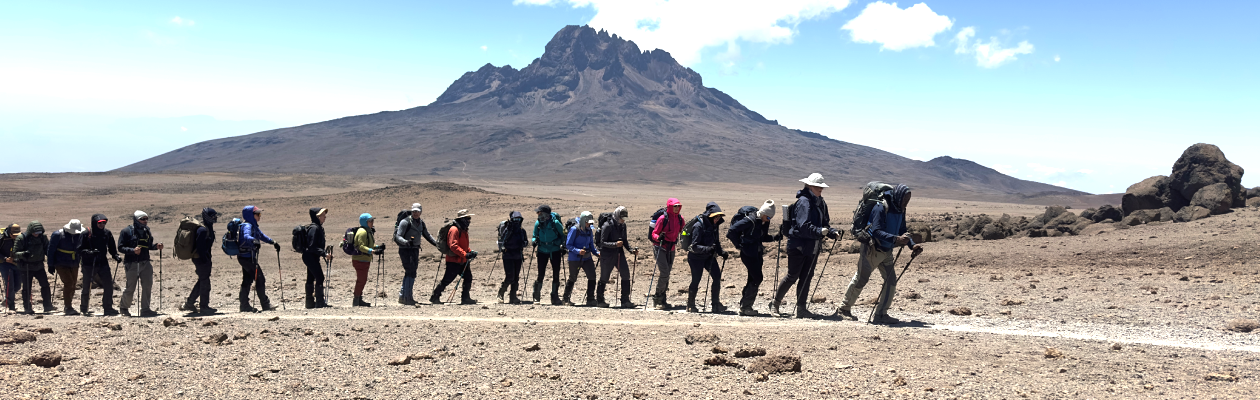
Climbers trekking from Kikelewa Camp toward Mawenzi Tarn.
Rated moderate, Rongai is the only route that approaches Kilimanjaro from the north, near the Kenyan border. It’s known for being gentle, gradual, and steady, making it ideal for climbers who prefer a smoother ascent.
This route offers a unique perspective of the mountain with open views of Kenya’s plains and a drier, more arid landscape at the start. Because it’s less affected by rainfall, Rongai is an excellent choice during the rainy seasons (April–May and November).
Comfortable camping in high-quality tents throughout the trek, fully serviced by our Hola Africa mountain crew.
One of the quietest routes on Kilimanjaro, offering a peaceful, private climbing experience away from the busy southern trails.
Adventurers seeking solitude, steady acclimatisation, and reasonable summit success rates, especially those climbing during the shoulder or rainy seasons.
Hola Africa Recommendation
This route also offers the best wildlife spotting opportunities, thanks to its quiet northern approach. It’s gentle, logical, and ideal for climbers who want a more exclusive, nature-filled experience without compromising their summit chances. Simply put, Rongai is Kilimanjaro’s hidden gem, quiet, beautiful, and remarkably successful.
5. Umbwe Route

Climbers making the final approach to Barafu Camp (4,673m).
The shortest and steepest route on Kilimanjaro is one of the most demanding. The rapid altitude gain makes acclimatisation difficult, leading to lower success rates. It’s a route that tests both strength and endurance.
Umbwe rewards climbers with dramatic, rugged terrain and striking views, especially during the first two days as you ascend through dense forest and narrow ridges.
Camping in tents throughout the trek.
Extremely quiet and uncrowded, this area is chosen mainly by expert trekkers seeking solitude and challenge.
Experienced and confident climbers with prior high-altitude experience and an extreme fitness level. Not recommended for first-time climbers or those seeking a gradual ascent.
We only recommend it to seasoned trekkers who are ready for a serious adventure and a genuine test of mental and physical endurance. While challenging, it offers some of the most spectacular wilderness scenery on the mountain, providing a raw and untamed route for those who crave a pure and potent climbing experience. If you’re looking to push your limits and conquer Kilimanjaro the hard way, Umbwe is the ultimate route.
6. Northern Circuit Route

Glowing tents overlooking the Pofu Camp night sky
Rated moderate. This is the longest and most gradual route on Kilimanjaro, giving your body the best possible chance to acclimatise naturally.
The Northern Circuit is Kilimanjaro’s ultimate adventure, a complete loop around the mountain that showcases every major ecosystem. From lush rainforest to high alpine desert and the rarely seen northern slopes, it offers 360-degree views unmatched by any other route.
Comfortable camping in high-quality tents, fully managed by Hola Africa’s experienced mountain crew.
Extremely quiet and exclusive, with far fewer climbers due to its length and premium nature, it is ideal for trekkers seeking peace and solitude.
Trekkers who value time, comfort, and the highest summit success rate (often over 90–95%). Perfect for those looking to enjoy Kilimanjaro’s beauty in depth while maintaining a steady, relaxed pace.
This route is ideal for explorers, photographers, and anyone who wants to experience the wild, remote, and untouched side of Africa’s highest mountain. Simply put, the Northern Circuit is Kilimanjaro’s most epic journey, the climb of a lifetime.
Western Breach (Summit Approach)
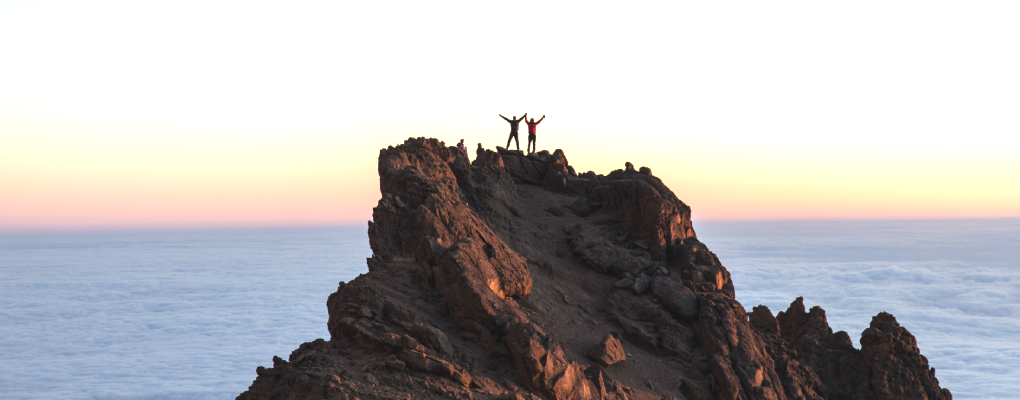
Climbers on a rock pinnacle near Arrow Glacier Camp.
The Western Breach is not a standalone route, but rather a special summit approach used from Arrow Glacier Camp, typically combined with the Lemosho or Umbwe routes. It’s a direct, steep, and highly technical ascent that demands advanced skills and preparation.
Extremely challenging and exposed. Climbers face steep rock and scree slopes with sections of loose terrain and potential rockfall risk, particularly as glaciers continue to melt.
The Western Breach was closed for several years following a fatal rockfall in 2006. Although reopened under stricter safety protocols, including mandatory helmets and controlled ascent times, many operators either avoid it entirely or require climbers to sign specific waivers acknowledging the risk.
Only suitable for highly experienced mountaineers familiar with alpine conditions, rope safety, and exposure. Climbers must have a high tolerance for risk and excellent physical fitness. Most trekkers instead choose the safer Barafu or Stella Point approaches.
At Hola Africa, we recognise the Western Breach as one of Kilimanjaro’s most thrilling yet dangerous summit paths. While we occasionally operate expeditions on this route, we do so only under exceptional conditions, for climbers who fully understand and accept the risks involved.
For most travellers, we recommend the Lemosho, Machame, or Northern Circuit routes for a safer, scenic, and equally rewarding summit experience. The Western Breach remains an adventurer’s ascent, bold, raw, and unforgettable, but not for everyone.
7.Shira Route
Rated moderate to challenging. The Shira Route begins at a higher elevation than most, making it suitable only for well-acclimatised climbers.
Shira is essentially a variation of the Lemosho Route, starting further west and offering breathtaking views across the Shira Plateau before merging with the Machame Route at Shira Camp. However, the first sections of this route can feel less natural due to the vehicle-accessible road leading up to the plateau.
Camping in comfortable expedition tents.
Moderate. While it overlaps with the Machame Route later on, it remains quieter at the start.
Climbers who are already acclimatised or returning adventurers looking for a unique approach to the mountain.
While scenic, we do not typically recommend the Shira Route for first-time climbers because of its high starting altitude, which increases the risk of altitude sickness.
Instead, we encourage trekkers to choose Lemosho, which covers the same landscapes while offering better acclimatisation and a more authentic trekking start through lush rainforest. Shira remains an appealing option for returning climbers or those with prior experience at high altitudes.
The Kilimanjaro National Park Authority (KINAPA) also enforces a minimum number of payable park days for all climbs, five days for the Marangu Route and six days or more for all other routes. Hola Africa strongly encourages longer itineraries wherever possible, as they not only improve acclimatisation but also enhance overall comfort, safety, and summit success.
Climbing Kilimanjaro isn’t just about reaching the summit; it’s about choosing the route that fits your spirit, fitness, and adventure style. At Hola Africa Ltd, we help you select the perfect path, combining safety, scenery, and success for an unforgettable climb.
Longer routes, such as the Lemosho, Northern Circuit, and our exclusive HAL Rongai (7-Day) and HAL Lemosho (8-Day) options, provide the best acclimatisation, higher summit success rates, and a smoother pace for altitude adjustment. Shorter routes, such as the Marangu (6-Day), suit moderate fitness levels, while the Machame (7-Day) offers a balanced challenge for those seeking both thrill and beauty.
Match Your Fitness Level
- Beginners / Moderate Fitness: Marangu (6-Day), Rongai (7-Day)
- Good Fitness / Some Hiking Experience: Machame (7-Day), Lemosho (7-Day)
- Highly Fit / Experienced Trekkers: Umbwe (challenging, steep ascent)
- Ultimate Success & Scenery: Northern Circuit (9–10 Days)
Each route reveals a different side of the mountain, from rainforest trails to alpine deserts and glacier views. If you seek solitude and less crowded paths, the Rongai and Northern Circuit routes offer a more peaceful, untouched wilderness experience, compared to the often-busy Machame and Marangu trails.
Prefer a bed? Choose Marangu, the only route with mountain huts. Crave an authentic wilderness experience? Our expeditions feature premium all-weather tents designed for maximum comfort and warmth, the hallmark of our expedition style.
We don’t just organise climbs, we craft personalised Kilimanjaro journeys.
- Provide detailed day-by-day itineraries with elevation, distance & acclimatisation insights.
- Keep you informed with real-time weather & trail updates.
- Offer personalised route recommendations tailored to your fitness, goals, and time frame.
Our mission is straightforward: to craft a Kilimanjaro experience that aligns with your ambitions, ensures your safety, and celebrates your success.
If we had to choose:
- HAL Rongai Route (7-Day) – unmatched tranquillity, logical topography & gentle acclimatisation.
- HAL Lemosho Route (8-Day) – breathtaking scenery and superior acclimatisation for summit success.
- Machame Route (7-Day) – the perfect blend of challenge, beauty, and adventure.
Your Kilimanjaro story starts here. Let Hola Africa Ltd craft a route that feels uniquely yours, from the foothills to the Roof of Africa.
When is the best time to climb Kilimanjaro?
At Hola Africa, we recommend the dry seasons for the best combination of comfort, safety, and summit success. However, no matter when you go, our experienced guides are trained to handle changing conditions, ensuring a safe and memorable journey to Africa’s highest peak.
What should I eat and drink on Kilimanjaro?
- High Carbohydrate Content: Carbohydrates are the primary fuel source for the body, especially at high altitudes where oxygen efficiency for energy conversion is reduced.
Meals will feature ample portions of:
- Staple Grains: Rice, pasta, potatoes (boiled, mashed, or fried), and local staples like ugali (a dense maize porridge).
- Breads: Toast, chapati, pancakes, and French toast are everyday breakfast items.
- Balanced Protein and Fats: While carbohydrates are dominant, meals also include sufficient protein for muscle repair and fats for sustained energy. Expect:
- Meats: Small portions of chicken or beef, often stewed, curried, or fried, are sometimes included, though in limited quantities, as they can be harder to digest at altitude.
- Eggs: Frequently served for breakfast (scrambled, fried, or omelettes).
- Legumes: Beans are a common and nutritious addition.
- Abundant Fruits and Vegetables: Essential for vitamins, minerals, and hydration. Fresh fruits (bananas, oranges, mangoes, pineapples) and various cooked vegetables (cabbage, carrots, green beans, spinach) accompany most meals.
- Soups: A consistent feature, especially for lunch and dinner. Soups are vital for hydration and calorie intake, often serving as a warm, comforting start to meals. Creamy and vegetable-based soups are common.
- Breakfast Variety: Typically includes porridge (oats, millet), eggs, toast with jams/honey, sausages or bacon, pancakes, and fresh fruit. Hot beverages, such as tea, coffee, hot chocolate, and Milo, are always available.
- Lunch: Can vary between a packed lunch (sandwiches, boiled eggs, fruit, juice) for trekking days or a hot lunch (soup, pasta, or rice dishes) prepared by the crew who trek ahead.
- Dinner: The most substantial meal, usually starting with soup, followed by a main course (e.g., chicken curry with rice, spaghetti with meat sauce, beef stew with potatoes) and often a dessert like fruit salad.
- Snacks: Guides typically provide mid-morning and afternoon snacks such as biscuits, popcorn, nuts, or fresh fruit to maintain energy levels between meals. Climbers are also strongly encouraged to bring their preferred high-energy snacks (e.g., energy bars, gels, nuts, dried fruit, chocolate) to supplement the provided food, especially for summit night.
Dietary Restrictions:
Hola Africa is accommodating of various dietary requirements (vegetarian, vegan, gluten-free, lactose-free, kosher, halal, etc.). It is essential to inform us of any specific dietary needs or allergies well in advance of the climb so that we can plan meals accordingly.
How to Choose the Right Kilimanjaro Operator?
By carefully evaluating these factors, you can confidently choose a Kilimanjaro operator that embodies safety, professionalism, ethics, and genuine passion for mountain travel. With Hola Africa, you climb not just to reach the summit, but to experience Kilimanjaro the right way.
Are Vaccinations Required for Travel to Tanzania or Climbing Kilimanjaro?
- Yellow Fever: This vaccine is required only if you’re arriving from, or have transited through (for more than 12 hours), a country where Yellow Fever exists.
It must be administered at least 10 days before your trip, and you’ll need to carry a valid vaccination certificate as proof when entering Tanzania.
- Routine Immunisations: Check that your regular vaccines, such as Measles-Mumps-Rubella (MMR), Tetanus, Polio, and Diphtheria, are all up to date.
- Hepatitis A & Typhoid: Advised due to possible exposure to food or water contamination during travel.
- Malaria Prevention: Although malaria does not occur on Kilimanjaro’s higher slopes, it is present in the lower regions (like Moshi and Arusha). Preventive medication and mosquito protection (repellent, long sleeves, treated nets) are highly recommended for time spent off the mountain.
- Hepatitis B, Rabies & Cholera: May be advised depending on your itinerary, length of stay, and local activities.
Schedule your vaccinations 4–6 weeks before travel, as some require multiple doses or time to build complete immunity.
Is Travel Insurance Required for Climbing Kilimanjaro?
- Emergency Evacuation: In the event of altitude-related illness (such as HAPE or HACE) or an unexpected injury, a helicopter evacuation may be necessary. Without insurance, this can cost several thousand dollars out-of-pocket.
- High-Altitude Trekking Cover: Confirm your policy covers trekking to at least 6,000 meters; Kilimanjaro’s summit stands at 5,895m.
- Medical Treatment: Covers hospital care or medical treatment during your trip, including incidents before or after the climb.
- Trip Cancellation or Delay: Protects your investment in flights and trekking costs if you have to cancel or cut short your journey due to unexpected reasons (such as weather, illness, or family emergencies).
We recommend purchasing your policy as soon as you confirm your climb so that you’re protected from the very start. Always bring both a digital and printed copy of your insurance policy, as well as your emergency contact details, in case our mountain team needs them in the event of an emergency.
