
Guided by Law, Led by Expertise:
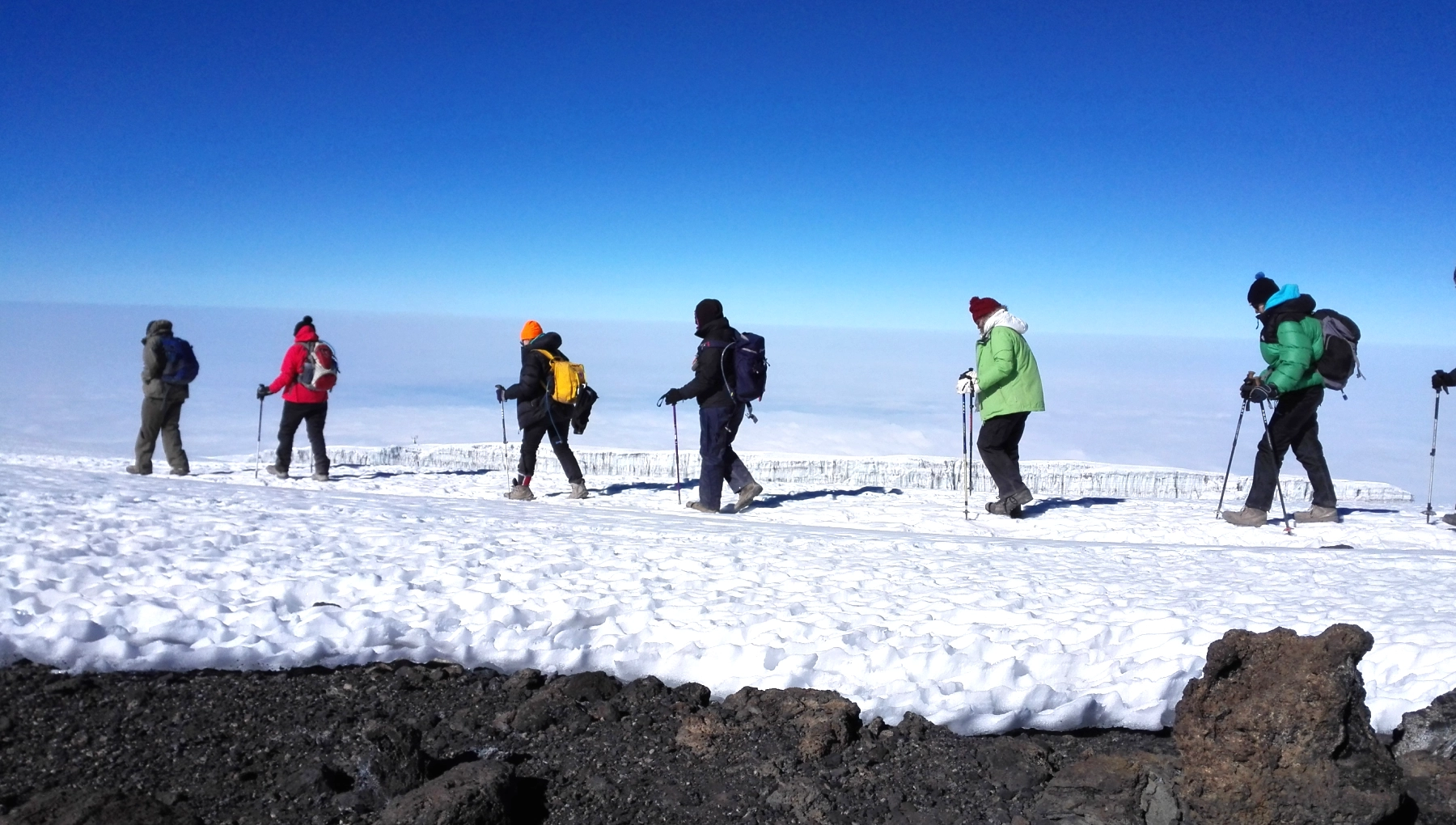
Step by step, rising to the Roof of Africa — Kilimanjaro
Your Kilimanjaro ascent is not just a legal requirement; it’s a journey led by the expertise of licensed guides. Their knowledge and experience provide you with a sense of security and confidence, ensuring a successful and enriching adventure.
Every Kilimanjaro ascent, whether a full summit or a scenic day hike, must be led by a licensed guide from a registered Tanzanian operator. This isn’t just a regulation, it’s assurance. Your guide safeguards your well-being, manages logistics, and ensures that every permit, porter, and meal aligns perfectly with your adventure.
Why a Guide Is Essential?
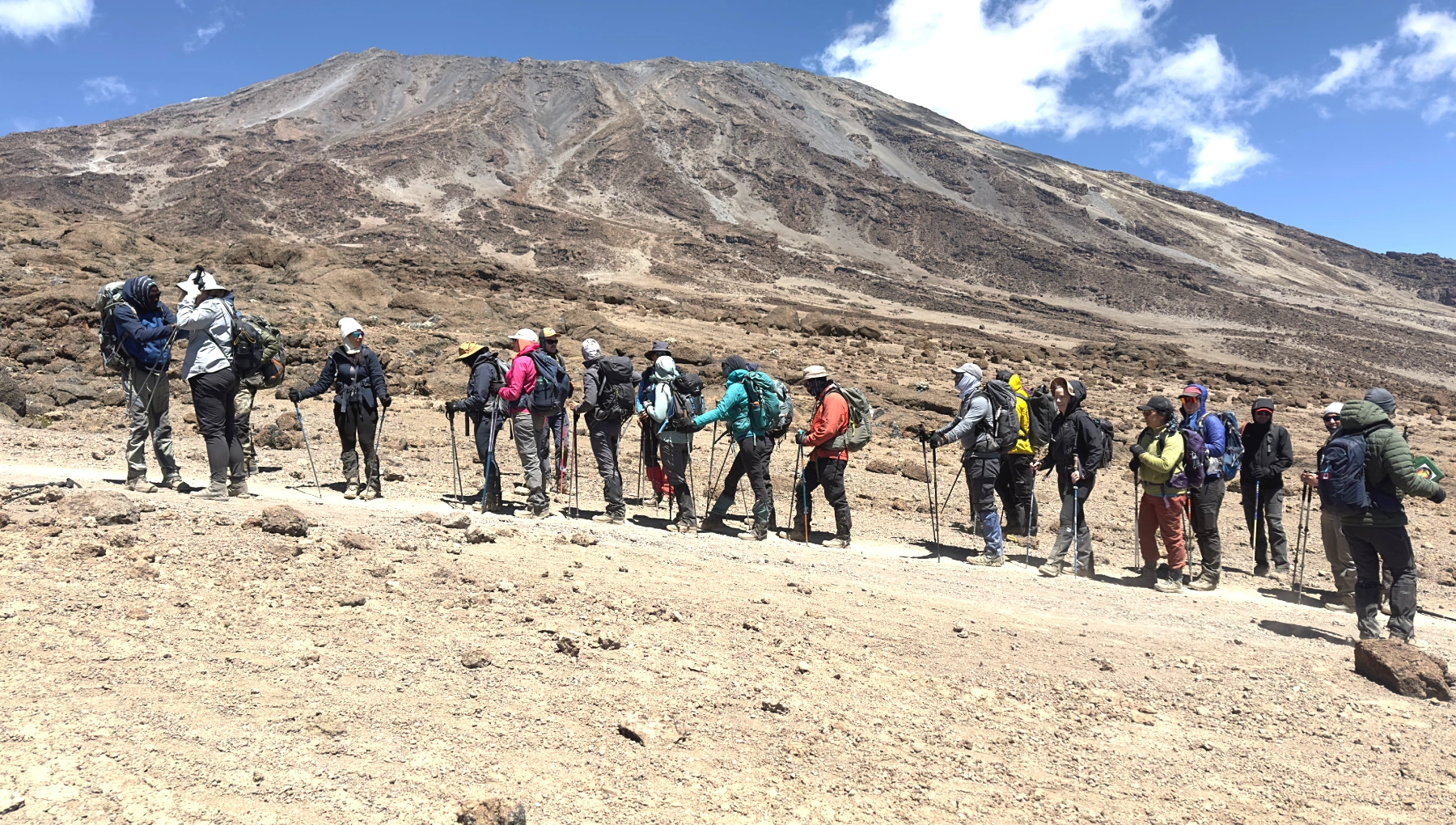
Group of hikers ascending the mountain alongside with guiders
Kilimanjaro cannot be legally climbed without a certified guide, and for good reason. Guides protect both you and the mountain: maintaining safety, preserving fragile ecosystems, and empowering the local community. Their leadership transforms a demanding expedition into a safe, sustainable, and enriching experience, providing you with a sense of reassurance and safety.
What does Your Guide do?
Your guide sets the tone for success. They establish a steady pace, balance acclimatisation with progress, and make time for those breathtaking photo stops. They also enforce park rules, from staying on designated trails to signing in at every camp for accountability. Most importantly, guides are trained in altitude management and first aid, ensuring they are ready to respond quickly and coordinate safe descents when needed.
The Crew Behind the Climb
The Kilimanjaro expedition is a team effort. Alongside your guide, a skilled crew of porters and cooks ensures that every detail is handled with precision, carrying your gear, preparing hearty meals, setting up camp, and managing logistics. This full-support structure not only allows you to focus on the climb but also makes you feel valued and appreciated for your efforts.
How a Full-Support Team Elevates Your Experience?

Group of hikers descending with sunset view
Your crew works tirelessly behind the scenes so you can climb with confidence. Porters move ahead to prepare camp and fetch water, while cooks create nutritious, energising meals that keep you fueled for each day’s ascent. With logistics expertly handled, you carry only a small daypack, leaving you free to enjoy the journey and dramatically improving your summit success rate.
The Truth About Minimal-Support Treks

Climbers and porters pushing upward on the kilimanjaro trail.
Minimal-support treks may seem more affordable, but the difference in cost is often slight, while the compromise in comfort is significant. Porters make up a modest portion of total expenses, yet their support is invaluable. Hiring extra porters not only lightens your load but also supports local livelihoods, aligning your climb with the values of responsible tourism.
Choosing the Right Trek for You

A group of climbers pushing steadily toward the summit.
Even the most experienced climbers are required by law to trek with registered guides and crew. A minimal-support climb may appeal to adventurers seeking added challenge, but a full-support trek offers far greater comfort, safety, and cultural connection. With a dedicated team by your side, guiding, preparing, and encouraging, you’ll experience Kilimanjaro as more than a climb. It becomes a story of teamwork, resilience, and shared triumph at the Roof of Africa.
