
You are here:
- Home
- Countries & Parks
- Katavi National Park


Katavi National Park
Overview
Wildlife
Birds
Best Time To Visit
Weather & Climate
Getting There
Malaria & Safety
Overview
Wildlife
Birds
Best Time
Climate
Getting There
Malaria & Safety

By Fadhili Mlema
Fadhili is a seasoned East African safari expert with 15 years of experience crafting luxurious and authentic journeys. Deeply rooted in the region, his passion for wildlife and tourism has shaped his unparalleled expertise. Let Fadhili curate your ultimate African adventure.
By Fadhili Mlema
Fadhili is a seasoned East African safari expert with 15 years of experience .
- Live Location
- View Photos
- Open Map
Best Time To Go
June to October (Dry Season)
High Season
June to October
Size
4,471 km² (1,726 mi²)
Altitude
820–1,250 m (2,690–4,100 ft)
Katavi National Park offers one of Africa’s most rewarding wildlife experiences, where vast wilderness and remarkably few visitors create an authentic safari unlike any other. During the dry season, the Katuma River becomes the park’s lifeline, attracting extraordinary concentrations of wildlife as animals gather around the remaining water sources.
The park is renowned for its enormous Cape buffalo herds, large elephant populations and thriving predator community. Lions are frequently seen following buffalo across the floodplains, while leopards, spotted hyenas, and Nile crocodiles add to the excitement of every game drive. Hundreds of hippos crowd into shrinking pools, where dramatic territorial displays create one of Katavi’s most unforgettable wildlife spectacles. Beyond its iconic mammals, Katavi National Park is home to giraffes, zebras, topis, hartebeests, waterbucks, reedbucks, impalas, warthogs and many other plains animals. Combined with the park’s untouched landscapes and minimal safari traffic, these exceptional wildlife encounters deliver a truly immersive safari experience. For travellers seeking a remote safari destination where nature remains wild and unspoiled, Katavi National Park stands among Tanzania’s finest wildlife destinations.
Katavi National Park is defined by its vast floodplains, seasonal lakes, miombo woodlands and the life-giving Katuma River, creating one of Tanzania’s most spectacular and untouched safari landscapes. During the dry season, golden grasslands stretch across the horizon as wildlife gathers around the remaining water sources. When the rains arrive, the plains transform into lush wetlands bursting with colour and life. This ever-changing landscape offers breathtaking scenery year-round, making Katavi National Park one of Africa’s last truly untamed wildernesses, where nature remains beautifully wild and unspoiled.
A safari in Katavi National Park is centred around unforgettable game drives, offering exceptional opportunities to observe wildlife in one of Tanzania’s least-visited national parks. Explore the park’s expansive floodplains in search of Cape buffalo, elephants, lions, leopards, hippos and countless other species, all while enjoying an exclusive safari experience away from the crowds. Depending on your camp or lodge, guided walking safaris and birdwatching provide an even deeper connection with this remarkable wilderness, allowing you to discover the park from a completely different perspective.
Katavi National Park enjoys a warm tropical climate with distinct dry and wet seasons, making it a rewarding safari destination year-round. The dry season (June to October) offers sunny days, low humidity and excellent wildlife viewing as animals gather around the Katuma River and permanent water sources. During the green season (November to May), seasonal rains transform the floodplains into lush landscapes, creating superb conditions for birdwatching, scenic photography and a quieter safari experience. Whatever the season, Katavi’s unspoiled wilderness delivers a unique perspective of Tanzania’s remote safari country.
The best time to visit Katavi National Park is during the dry season, from June to October, when wildlife is easiest to spot, and game viewing reaches its peak. As water becomes scarce, buffalo, elephants, hippos and many other animals gather around the Katuma River, while predators take advantage of the high concentrations of prey. Travellers visiting during the green season will enjoy dramatic scenery, fewer visitors and outstanding birdwatching, making Katavi a rewarding destination at any time of year, depending on the safari experience they seek.
By Fadhili Mlema
Fadhili is a seasoned East African safari expert with 15 years of experience crafting luxurious and authentic journeys. Deeply rooted in the region, his passion for wildlife and tourism has shaped his unparalleled expertise. Let Fadhili curate your ultimate African adventure.
By Fadhili Mlema
Fadhili is a seasoned East African safari expert with 15 years of experience .
Katavi National Park is one of Tanzania’s premier Big Game destinations, renowned for its exceptional concentrations of Cape buffalo, elephants, lions, hippos and other iconic African wildlife. With vast floodplains, the Katuma River and remarkably few visitors, the park offers outstanding wildlife viewing in one of Africa’s last truly untouched wilderness areas. Every game drive promises authentic encounters in an environment where nature still unfolds on its own terms.
- Abundant
- Common
- Occasional
- Rare
- None

- Abundant

- Abundant

- Abundant

- Abundant

- Common

- Common

- Common

- Common

- Common

- Common

- Rare

- None
Katavi National Park offers some of Tanzania’s most spectacular wildlife viewing, especially during the dry season, when thousands of animals gather around the Katuma River and its shrinking waterholes. The park is celebrated for its enormous Cape buffalo herds, African elephants, hippopotamuses and Nile crocodiles, while predators such as lions, leopards, spotted hyenas and the elusive African wild dog add excitement to every game drive.
Beyond its iconic wildlife, Katavi is home to an impressive variety of mammals, including plains zebras, giraffes, wildebeests, topis, hartebeests, waterbucks, reedbucks, bushbucks, impalas, eland, greater kudus, warthogs, yellow baboons and vervet monkeys. This remarkable diversity, combined with vast floodplains, untouched wilderness and minimal safari traffic, creates an exclusive safari experience where wildlife can be observed in its natural environment without the crowds found in many of Africa’s better-known parks.
The best time for wildlife viewing in Katavi National Park is during the dry season, from June to October, when the Katuma River becomes the park’s primary water source. As wildlife gathers around the remaining pools, sightings become more frequent and rewarding.
This is the ideal season to see African elephants, Cape buffalo, hippopotamuses, Nile crocodiles, lions, leopards, spotted hyenas, plains zebras, giraffes, wildebeests and many other species. Shorter vegetation also improves visibility, making game drives and wildlife photography especially rewarding. With exceptional wildlife concentrations, dramatic predator-prey encounters and very few safari vehicles, the dry season offers the finest wildlife experience in Katavi National Park.
- View Photos
By Fadhili Mlema
Fadhili is a seasoned East African safari expert with 15 years of experience crafting luxurious and authentic journeys. Deeply rooted in the region, his passion for wildlife and tourism has shaped his unparalleled expertise. Let Fadhili curate your ultimate African adventure.
By Fadhili Mlema
Fadhili is a seasoned East African safari expert with 15 years of experience .
Notable Birds in Katavi National Park


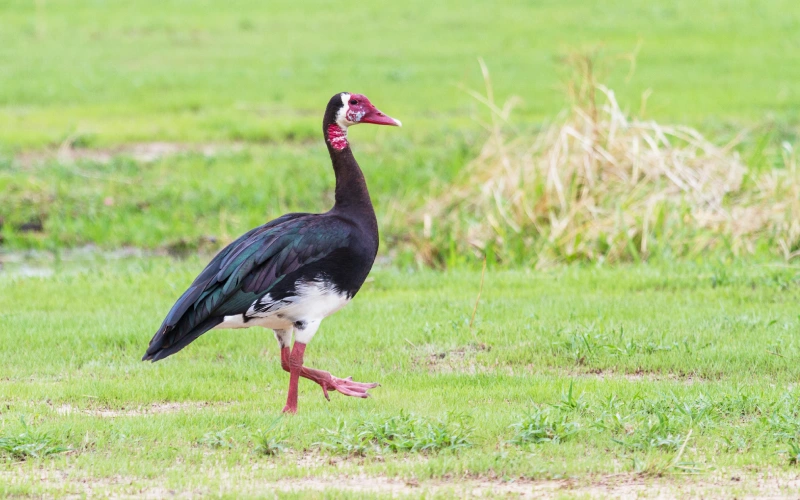
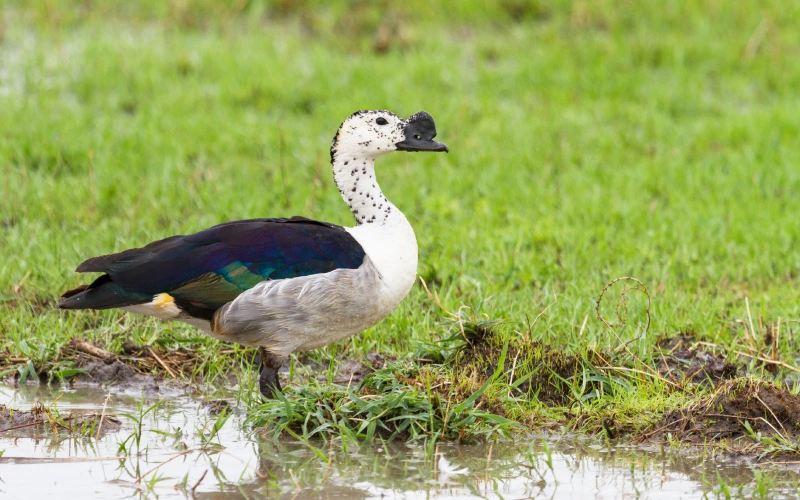
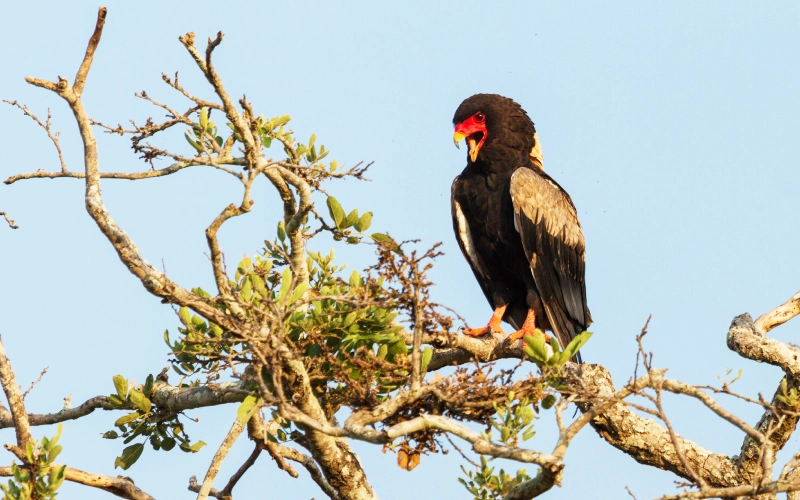
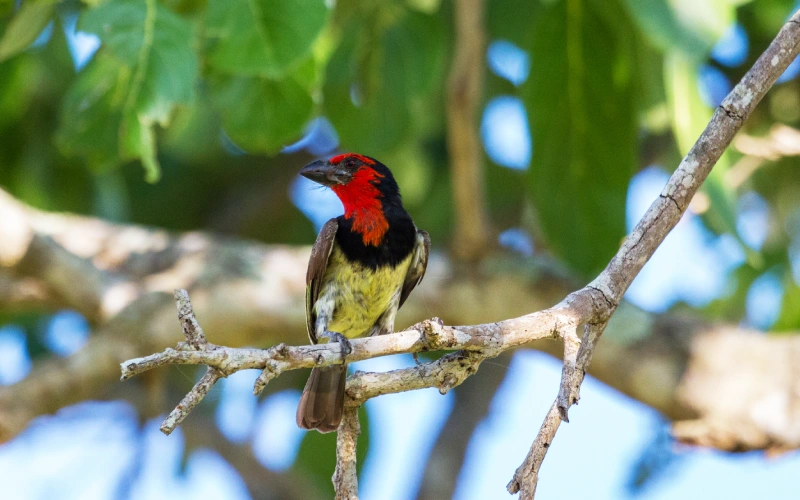
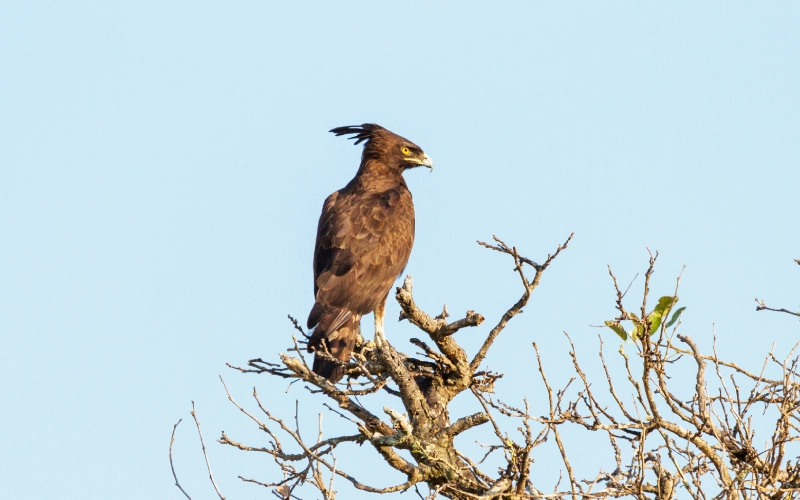

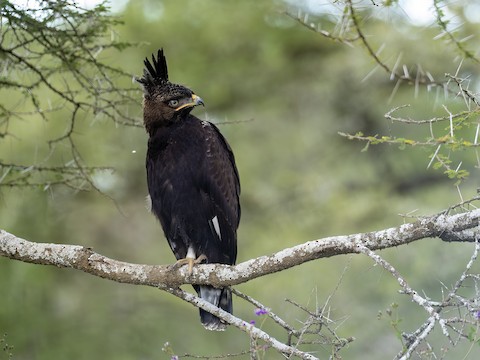
The best time for bird watching in Katavi National Park is from November to April, when resident birds are joined by Palearctic and intra-African migratory species, creating exceptional bird diversity. Seasonal wetlands and floodplains attract large numbers of waterbirds, while the surrounding miombo woodlands are alive with colourful rollers, bee-eaters, hornbills and raptors.
Birding remains rewarding throughout the year, but the wet season offers the greatest variety, making Katavi one of Tanzania’s finest birdwatching destinations for both casual birders and dedicated enthusiasts.
Bird Species
400+
Migratory Birds
Nov to Apr

By Fadhili Mlema
Fadhili is a seasoned East African safari expert with 15 years of experience crafting luxurious and authentic journeys. Deeply rooted in the region, his passion for wildlife and tourism has shaped his unparalleled expertise. Let Fadhili curate your ultimate African adventure.
By Fadhili Mlema
Fadhili is a seasoned East African safari expert with 15 years of experience .
Jan
Feb
Mar
Apr
May
Jun
Jul
Aug
Sep
Oct
Nov
Dec
- Excellent
- Good
- Fair
- Poor
The best time to visit Katavi National Park is during the dry season from June to October, when wildlife gathers around the Katuma River and shrinking waterholes, creating exceptional game viewing. July to October is the peak safari season, while November to February offers lush scenery, excellent birdwatching and fewer visitors. April and May receive the heaviest rainfall, making travel more challenging.
Best Time
June to October
High Season
July to October
Low Season
March to May
Best Weather
June to October (Dry Season)
Worst Weather
April to May (Peak Rainy Season)
- View Photos
By Fadhili Mlema
Fadhili is a seasoned East African safari expert with 15 years of experience crafting luxurious and authentic journeys. Deeply rooted in the region, his passion for wildlife and tourism has shaped his unparalleled expertise. Let Fadhili curate your ultimate African adventure.
Katavi National Park experiences a tropical savanna climate with two distinct seasons. The dry season (June to October) offers warm, sunny days and exceptional wildlife viewing as animals gather around permanent water sources. The wet season (November to May) transforms the park into a lush green wilderness, attracting migratory birds and creating spectacular scenery, although March to May receives the heaviest rainfall.
The dry season offers the best conditions for wildlife viewing as animals gather around the Katuma River and remaining water pools.
- June, July & August: Daytime temperatures average around 26°C (79°F), while mornings and evenings can feel cooler. Wildlife begins concentrating near permanent water sources.
- September & October: Conditions become hotter with temperatures reaching around 30°C (86°F). Wildlife densities increase as water becomes scarce across the plains.
During the wet season, the floodplains and seasonal lakes of Katavi become lush and green.
- November & December: Short rains bring fresh vegetation and excellent birdwatching opportunities.
- January & February: A brief drier period often occurs, with warm temperatures and pleasant safari conditions.
- March, April & May: The long rains bring heavier rainfall and occasional overcast skies. Some roads may become difficult to access, but the landscape is at its most vibrant.
- Live Location
- View Photos
By Fadhili Mlema
Fadhili is a seasoned East African safari expert with 15 years of experience crafting luxurious and authentic journeys. Deeply rooted in the region, his passion for wildlife and tourism has shaped his unparalleled expertise. Let Fadhili curate your ultimate African adventure.
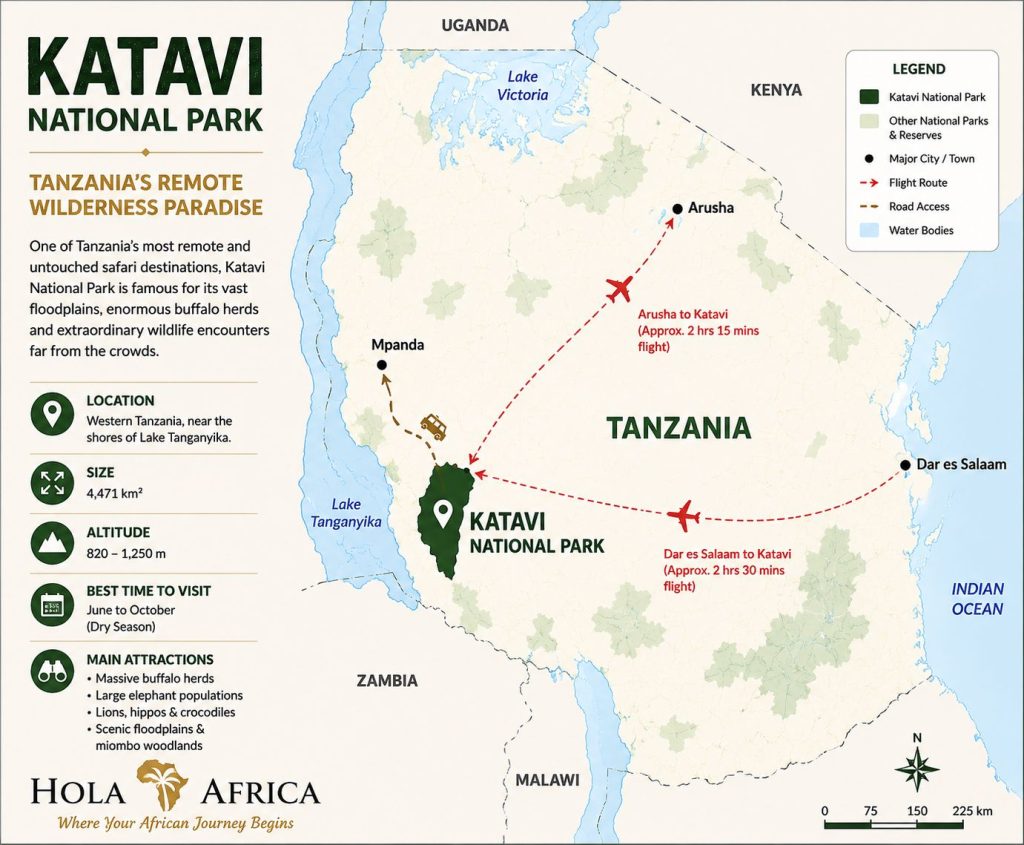
Despite its remote location, Katavi National Park is surprisingly easy to reach with the right travel arrangements. The most convenient option is a scheduled or private charter flight from Arusha, Dar es Salaam or other major safari destinations to Ikuu Airstrip, located within the park. Depending on your departure point, flights typically take 2 to 4 hours, allowing you to maximise your time on safari instead of spending days on the road.
For travellers seeking a true overland adventure, Katavi can also be reached by road. The drive from Mbeya takes approximately 8–10 hours, while journeys from Dar es Salaam or Arusha require several days and are best incorporated into an extended safari through western Tanzania. Although road travel offers a rewarding sense of exploration, most visitors prefer a fly-in safari, which provides quicker access and more time to enjoy Katavi’s extraordinary wildlife and untouched wilderness.

- Main Park Location
Compare international and domestic flight options to Tanzania using Skyscanner. Search for the best fares to Julius Nyerere International Airport (DAR), Kilimanjaro International Airport (JRO) or Abeid Amani Karume International Airport (ZNZ) before connecting to Katavi National Park.
The quickest way to reach Katavi National Park is by air. Safari Air Link operates the park’s scheduled flights to Ikuu Airstrip, located inside Katavi National Park. Alternatively, Air Tanzania offers scheduled flights to Mpanda Airport, followed by a scenic 60-minute road transfer to the park.
For travellers seeking greater flexibility, private charter flights can be arranged directly to Ikuu Airstrip from destinations across Tanzania. Charter services are available with airlines including:
- Safari Air Link
- Auric Air
- Coastal Aviation
Please refer to our FAQ—Tanzania pages for detailed information regarding passport, visa, vaccination, and other entry requirements.
By Fadhili Mlema
Fadhili is a seasoned East African safari expert with 15 years of experience crafting luxurious and authentic journeys. Deeply rooted in the region, his passion for wildlife and tourism has shaped his unparalleled expertise. Let Fadhili curate your ultimate African adventure.
Katavi National Park is considered a very safe destination for travellers. Crime against tourists is extremely rare within Tanzania’s national parks. Visitors on organised safaris are accompanied by experienced guides who ensure a safe and comfortable journey. As with any travel destination, it is advisable to take basic precautions when travelling through cities or urban areas before reaching the park.
Before travelling to Tanzania, ensure that your routine vaccinations are up to date and consult your healthcare provider or travel clinic for personalised advice. As Katavi lies in a tropical region where malaria may occur, preventive measures are recommended. Using mosquito repellent containing DEET, taking antimalarial medication if advised by your doctor, and wearing long sleeves and trousers in the evening can significantly reduce the risk of mosquito bites.
Wildlife viewing in Katavi National Park is generally very safe when guided by experienced safari professionals. Always follow your guide’s instructions and respect park regulations. Visitors on self-drive safaris should remain inside their vehicles except in designated areas. For additional guidance, please refer to the Wildlife Viewing Safety Precautions section below.
Discover Plan Your Katavi Safari
to
pp (USD)
Safari:
Private tour,
Semi-Luxury,
- 13 days
- 5 places
to
pp (USD)
Safari:
Private tour,
Mid-Range,
- 10 days
- 4 places
to
pp (USD)
Safari:
Private tour,
Mid-Range,
- 8 days
- 4 places
