
You are here:
- Home
- Countries & Parks
- Kilimanjaro National Park


Kilimanjaro National Park
Overview
Wildlife
Birds
Best Time To Visit
Weather & Climate
Getting There
Malaria & Safety
Overview
Wildlife
Birds
Best Time
Climate
Getting There
Malaria & Safety

By Fadhili Mlema
Fadhili is a seasoned East African safari expert with 15 years of experience crafting luxurious and authentic journeys. Deeply rooted in the region, his passion for wildlife and tourism has shaped his unparalleled expertise. Let Fadhili curate your ultimate African adventure.
By Fadhili Mlema
Fadhili is a seasoned East African safari expert with 15 years of experience .
- Live Location
- View Photos

- Open Map
Best Time To Go
January to March & June to October
High Season
July to October & December to February
Size
1,688 km² (652 sq mi)
Altitude
1,600–5,895 m (5,249–19,341 ft)
Although best known for its legendary summit, Kilimanjaro National Park also protects a wide variety of wildlife. Its montane forests are home to blue monkeys, black-and-white colobus monkeys, bushbucks, duikers, buffaloes, elephants, leopards and an impressive diversity of birdlife, making the lower slopes rewarding for both wildlife enthusiasts and nature lovers.
Kilimanjaro offers one of the world’s most spectacular mountain landscapes. The journey ascends through lush rainforest, heath and moorland, alpine desert and glaciers, culminating at the snow-capped summit of Uhuru Peak. Every elevation reveals dramatic scenery unlike anywhere else in Africa.
Kilimanjaro National Park is Africa’s premier mountain adventure destination, offering world-renowned summit climbs, scenic day hikes, nature walks, birdwatching and cultural experiences around the mountain. Whether climbing to Uhuru Peak or exploring its lower slopes, every visit promises an unforgettable outdoor adventure.
Kilimanjaro National Park experiences a unique mountain climate that changes dramatically with altitude. Climbers ascend through lush rainforest, open moorlands, alpine deserts and glacial zones, each with distinct weather conditions. The dry seasons from January to March and June to October provide the most stable weather and are widely regarded as the best periods for climbing and hiking.
Book Kilimanjaro National Park Tours & Treks
Kilimanjaro can be climbed throughout the year, but the dry seasons from January to March and June to October offer the best trekking conditions. These months bring clearer skies, drier trails and outstanding panoramic views, making them the preferred seasons for reaching Uhuru Peak. The wetter months provide quieter routes and greener landscapes but often come with increased rainfall and reduced visibility.
By Fadhili Mlema
Fadhili is a seasoned East African safari expert with 15 years of experience crafting luxurious and authentic journeys. Deeply rooted in the region, his passion for wildlife and tourism has shaped his unparalleled expertise. Let Fadhili curate your ultimate African adventure.
By Fadhili Mlema
Fadhili is a seasoned East African safari expert with 15 years of experience .
Although renowned for its legendary summit, Kilimanjaro National Park supports a surprisingly rich diversity of wildlife within its lower montane forests. Visitors may encounter elephants, Cape buffaloes, blue monkeys, black-and-white colobus monkeys, bushbucks, leopards and over 180 bird species, making the park rewarding for both wildlife enthusiasts and climbers.
- Abundant
- Common
- Occasional
- Rare
- None

- Rare

- Occasional

- Rare

- Abundant
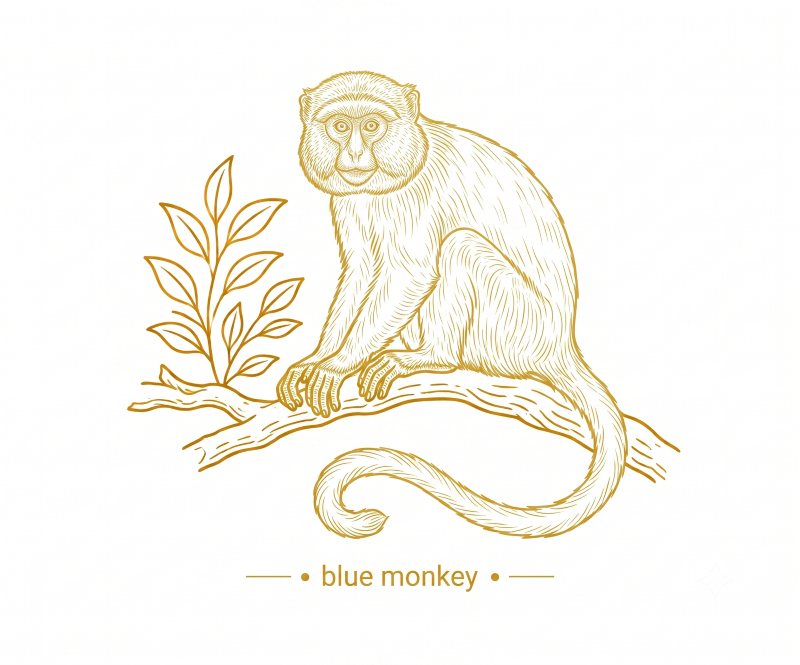
- Abundant
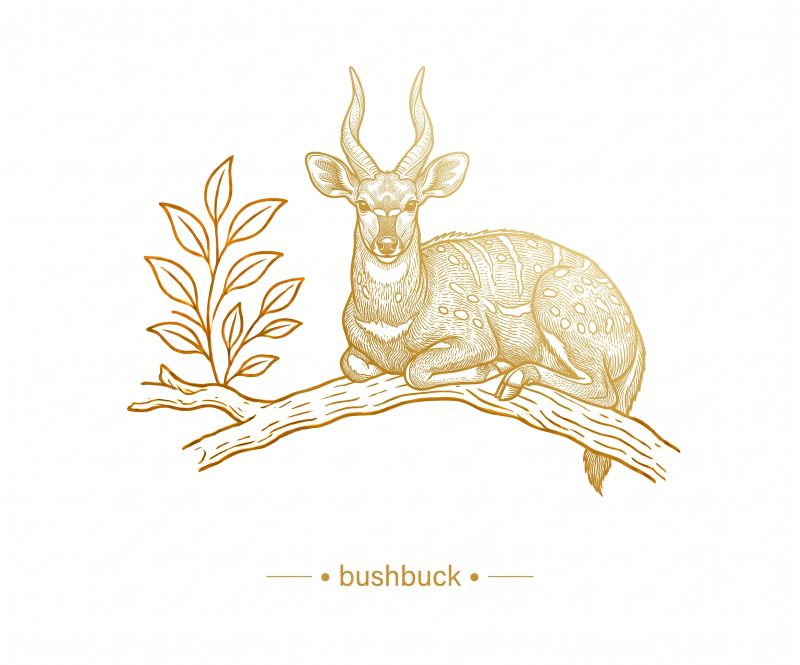
- Common
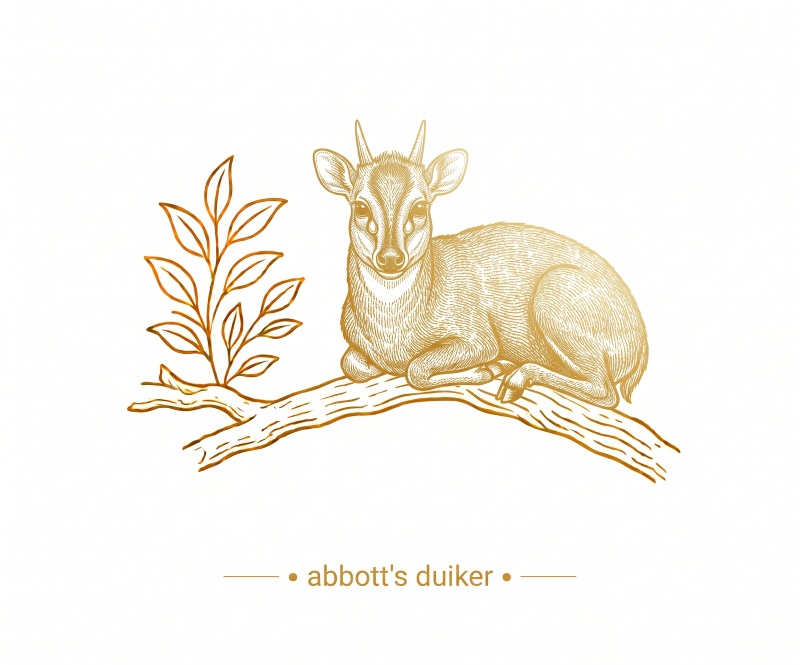
- Rare
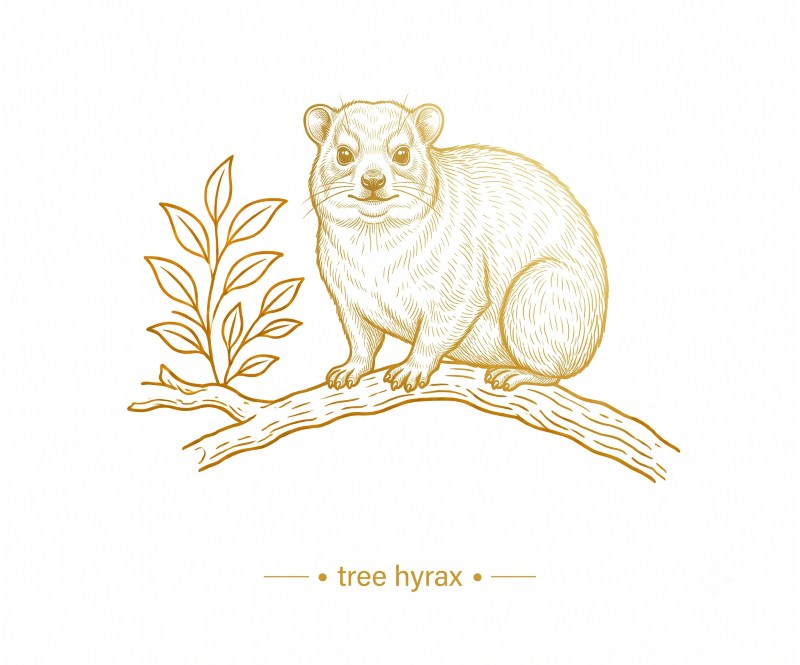
- Common
Wildlife viewing on Kilimanjaro is concentrated within the park’s lush rainforest zone, where mammals and birds thrive beneath the mountain’s dense canopy. While climbing remains the main attraction, early sections of the trekking routes often provide rewarding encounters with primates, forest antelopes and colourful endemic and montane bird species, adding another dimension to the Kilimanjaro experience.
Wildlife can be observed throughout the year, but the dry seasons from June to October and January to March offer the best viewing conditions. During these months, forest trails are drier, vegetation is less dense, and wildlife is generally easier to spot along the lower mountain slopes.
- View Photos
By Fadhili Mlema
Fadhili is a seasoned East African safari expert with 15 years of experience crafting luxurious and authentic journeys. Deeply rooted in the region, his passion for wildlife and tourism has shaped his unparalleled expertise. Let Fadhili curate your ultimate African adventure.
By Fadhili Mlema
Fadhili is a seasoned East African safari expert with 15 years of experience .
Notable Birds in Kilimanjaro National Park
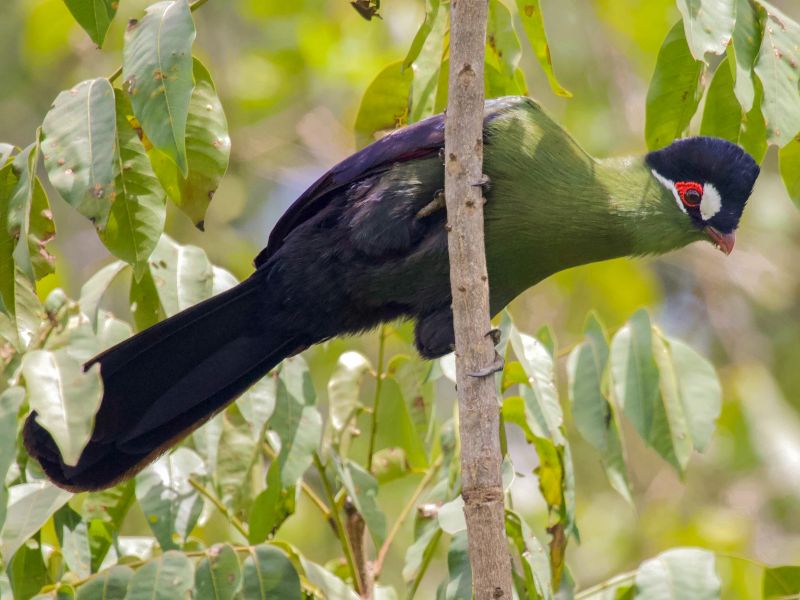

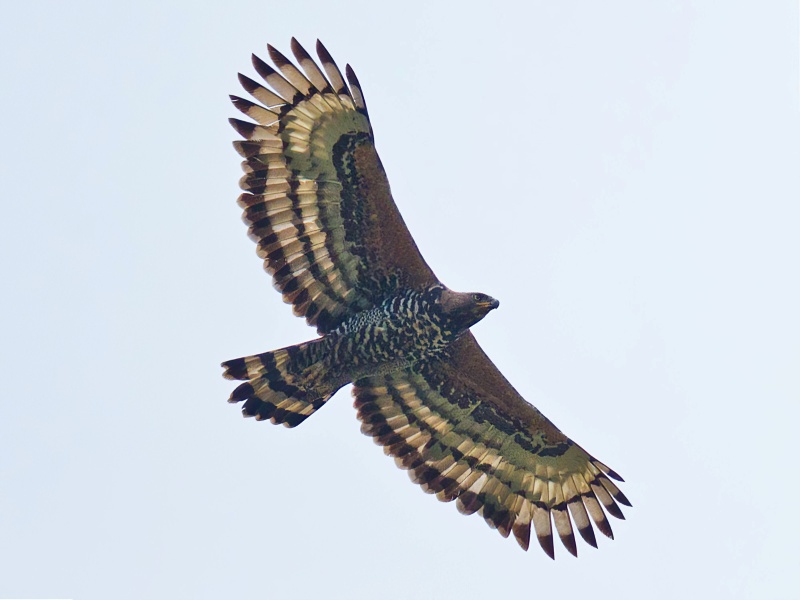

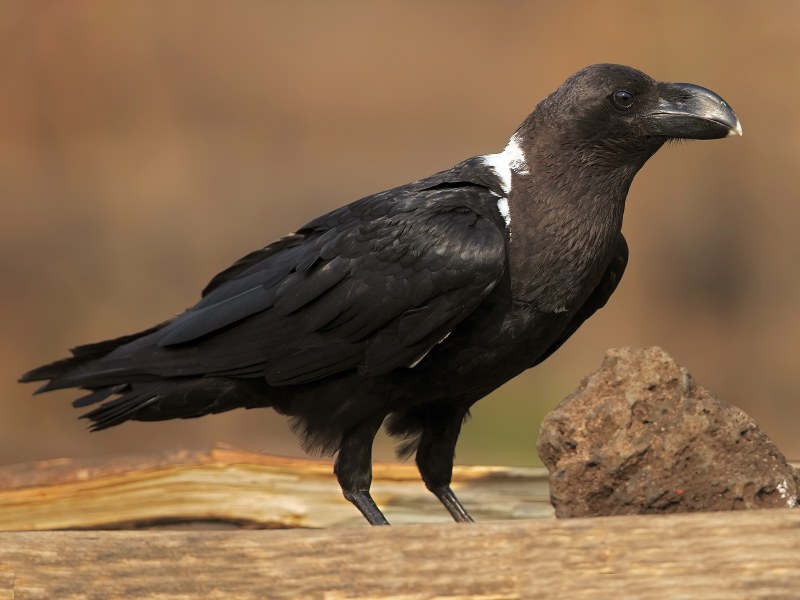
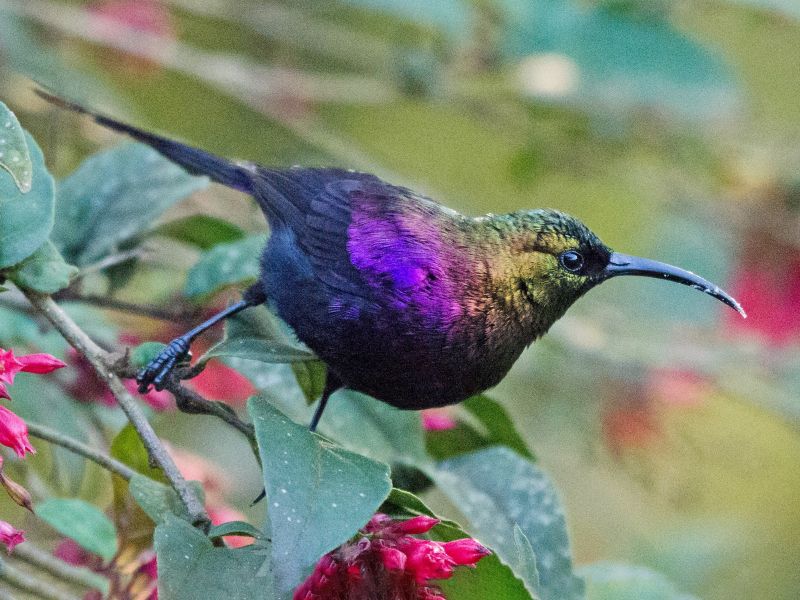
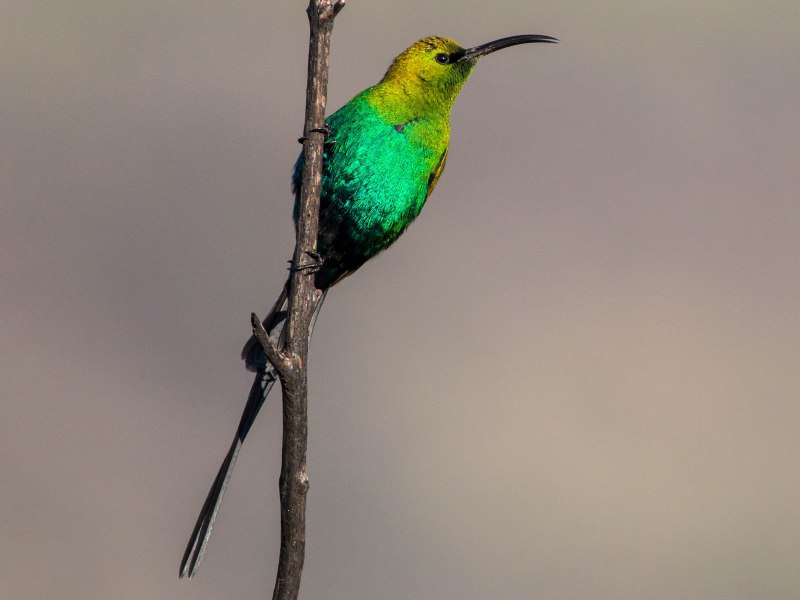
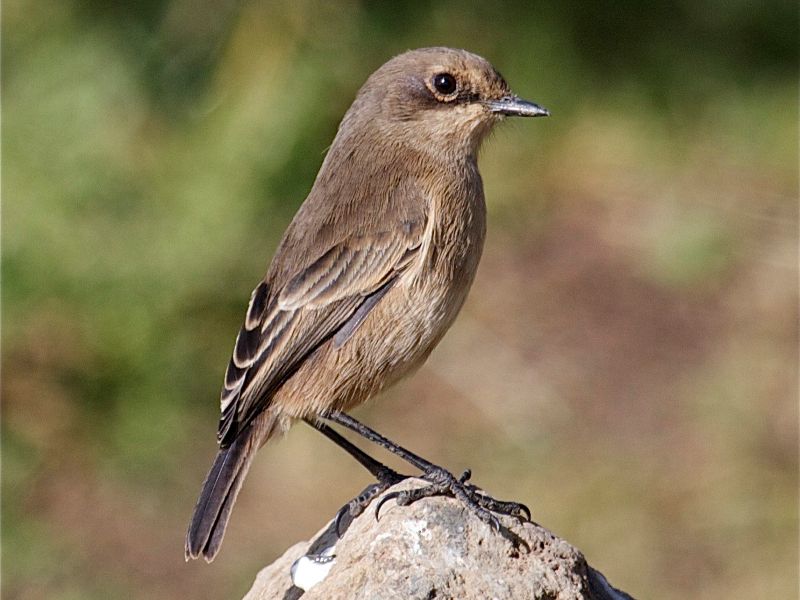
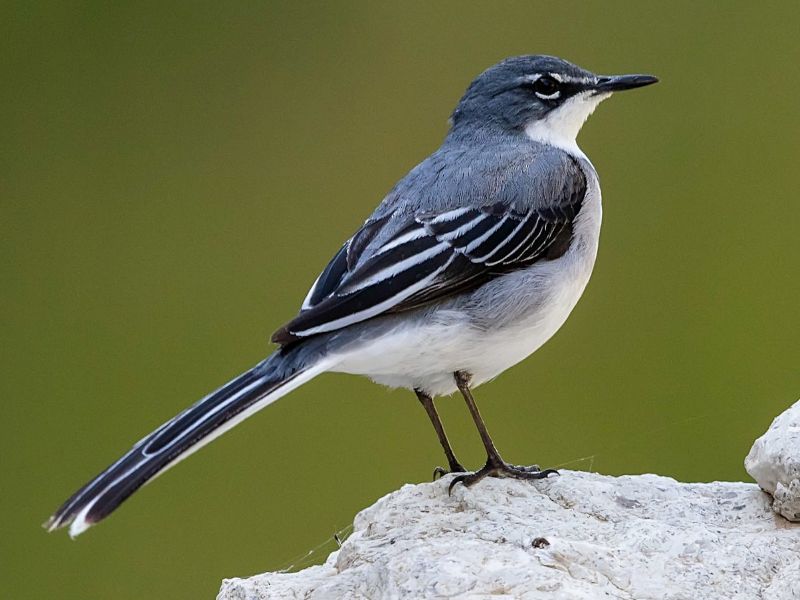
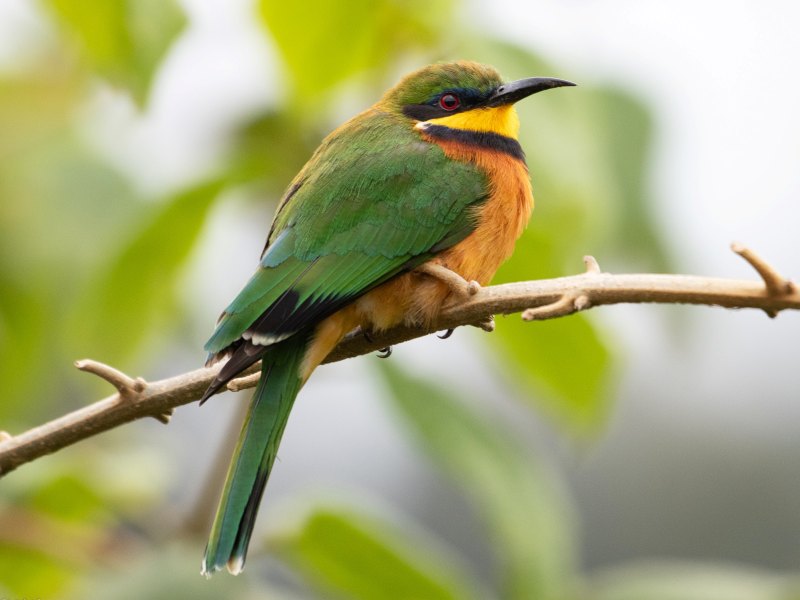
Kilimanjaro National Park offers rewarding birdwatching throughout the year, with over 180 recorded bird species inhabiting its diverse ecological zones. The best birding season is from November to April, when migratory birds arrive, and resident species are breeding in vibrant breeding plumage. During the dry season (June to October), clear skies and excellent trail conditions make it easier to observe high-altitude specialists and montane forest birds, creating outstanding opportunities for both casual birdwatchers and dedicated birders.
Bird Species
180+
Migratory Birds
Nov to Apr

By Fadhili Mlema
Fadhili is a seasoned East African safari expert with 15 years of experience crafting luxurious and authentic journeys. Deeply rooted in the region, his passion for wildlife and tourism has shaped his unparalleled expertise. Let Fadhili curate your ultimate African adventure.
By Fadhili Mlema
Fadhili is a seasoned East African safari expert with 15 years of experience .
Jan
Feb
Mar
Apr
May
Jun
Jul
Aug
Sep
Oct
Nov
Dec
- Excellent
- Good
- Fair
- Poor
Mount Kilimanjaro can be climbed year-round, but the best conditions are typically experienced during the two dry seasons: January to mid-March and June to October. These months offer clearer skies, drier trails, outstanding summit views, and the highest chances of reaching Uhuru Peak. Climbs during the rainy seasons remain possible, but wetter conditions require additional preparation, suitable equipment, and greater flexibility.
Best Time
January to Mid-March & June to October
High Season
January to February & July to September
Low Season
April to May
Best Weather
January to March & June to October
Worst Weather
April & May (Long Rainy Season)
- View Photos
By Fadhili Mlema
Fadhili is a seasoned East African safari expert with 15 years of experience crafting luxurious and authentic journeys. Deeply rooted in the region, his passion for wildlife and tourism has shaped his unparalleled expertise. Let Fadhili curate your ultimate African adventure.
Kilimanjaro National Park experiences a unique alpine climate that changes dramatically with altitude rather than distance. While the lower slopes are warm and humid, temperatures steadily decrease through the montane forest, moorland, alpine desert, and arctic summit zones. The dry seasons (January to mid-March and June to October) provide the best climbing conditions, while the rainy seasons (late March to May and November to December) transform the mountain with lush vegetation but wetter trails and more challenging trekking conditions.
The dry seasons are widely regarded as the best time to climb Mount Kilimanjaro. Clear skies, stable weather, and drier trails create ideal conditions for trekking, photography, and summit attempts. Visibility is generally excellent, rewarding climbers with spectacular views across northern Tanzania and, on clear days, into neighbouring Kenya.
January to Mid-March: Pleasant daytime temperatures, relatively stable weather, and fewer climbers than the peak months make this one of the best periods for a successful ascent.
June to October: This is Kilimanjaro’s main climbing season, offering dry trails, crisp mountain air, and exceptional summit conditions. July to September are the busiest months, so early reservations are recommended.
During the rainy seasons, Kilimanjaro’s lower slopes become lush and vibrant as seasonal rains rejuvenate the mountain. The forests are at their greenest, waterfalls flow strongly, and birdlife is particularly active. Although climbing remains possible, wetter trails, cloud cover, and increased rainfall require proper waterproof equipment and greater preparation.
Late March to May: The long rainy season brings the heaviest rainfall, creating muddy trails, reduced visibility, and more demanding trekking conditions, particularly through the rainforest zone.
November to December: The short rains are generally lighter and less persistent than the long rains. Climbers often experience intermittent showers mixed with clear weather, while enjoying quieter trails and fewer visitors compared to the peak climbing season.
- Live Location
- View Photos
By Fadhili Mlema
Fadhili is a seasoned East African safari expert with 15 years of experience crafting luxurious and authentic journeys. Deeply rooted in the region, his passion for wildlife and tourism has shaped his unparalleled expertise. Let Fadhili curate your ultimate African adventure.
Kilimanjaro National Park is easily accessible through Kilimanjaro International Airport (JRO), Tanzania’s main gateway for Mount Kilimanjaro. Located between Moshi and Arusha, the airport receives both international and domestic flights, making it the most convenient arrival point for climbers beginning their expedition. Most climbing routes start with a road transfer from Moshi or Arusha to one of the park’s official entrance gates, including Machame Gate, Marangu Gate, Londorossi Gate, Lemosho Gate, Rongai Gate, Umbwe Gate, Mweka Gate and Shira Gate, depending on the selected route.
- Main Park Location
Compare international and domestic flight options to Tanzania using Skyscanner. Search for the best fares to Kilimanjaro International Airport (JRO), the primary gateway for Mount Kilimanjaro expeditions.
Scheduled domestic flights operate daily to Kilimanjaro International Airport (JRO) and Arusha Airport (ARK) from Dar es Salaam, Zanzibar, Mwanza and other major destinations across Tanzania. Domestic airlines serving Kilimanjaro include:
- Air Tanzania
- Precision Air
- Coastal Aviation
- Auric Air
- Flightlink
Please refer to our FAQ—Tanzania pages for detailed information regarding passport validity, visa requirements, vaccinations and other travel requirements before visiting Mkomazi National Park.
By Fadhili Mlema
Fadhili is a seasoned East African safari expert with 15 years of experience crafting luxurious and authentic journeys. Deeply rooted in the region, his passion for wildlife and tourism has shaped his unparalleled expertise. Let Fadhili curate your ultimate African adventure.
Kilimanjaro National Park is a safe and well-managed trekking destination that welcomes climbers from around the world throughout the year. All climbs must be conducted with licensed mountain guides and registered park crews, ensuring visitors receive professional support throughout the expedition. Following your guide’s instructions, trekking at a steady pace, and preparing properly for the climb are essential for a safe and successful summit.
The lower slopes of Mount Kilimanjaro fall within a malaria-risk zone, although the risk decreases significantly as you gain altitude. Before travelling to Tanzania, visitors should consult their doctor or travel clinic regarding recommended vaccinations and whether antimalarial medication is appropriate for their itinerary. Using insect repellent, wearing long-sleeved clothing during the evenings, and ensuring routine vaccinations are up to date are sensible health precautions before and after your climb.
Beyond general travel health, altitude is the single most important consideration when climbing Mount Kilimanjaro. While the mountain requires no technical climbing experience, the rapid increase in elevation can affect climbers of any age or fitness level. Selecting an itinerary with adequate acclimatisation, ascending slowly, staying well hydrated, maintaining proper nutrition, and immediately informing your mountain guide of any symptoms are essential steps in reducing the risk of Acute Mountain Sickness (AMS) and maximising your chances of safely reaching Uhuru Peak.
Altitude Sickness & Acclimatisation Guide
Discover Plan Your Kilimanjaro Adventure
to
pp (USD)
Kilimanjaro:
Private tour,
Budget,
- 1 days
- 1 places
to
pp (USD)
Kilimanjaro:
Private tour,
Budget,
- 2 days
- 2 places
to
pp (USD)
Kilimanjaro:
Private tour,
Budget,
- 1 days
- 1 places
