
You are here:
- Home
- Countries & Parks
- Mahale Mountains National Park


Mahale Mountains
Overview
Wildlife
Birds
Best Time To Visit
Weather & Climate
Getting There
Malaria & Safety
Overview
Wildlife
Birds
Best Time
Climate
Getting There
Malaria & Safety

By Fadhili Mlema
Fadhili is a seasoned East African safari expert with 15 years of experience crafting luxurious and authentic journeys. Deeply rooted in the region, his passion for wildlife and tourism has shaped his unparalleled expertise. Let Fadhili curate your ultimate African adventure.
By Fadhili Mlema
Fadhili is a seasoned East African safari expert with 15 years of experience .
- Live Location
- View Photos
- Open Map
Best Time To Go
June to October (Best chimpanzee trekking & dry season)
High Season
June to October & December to February
Size
1,613 km² (623 sq mi)
Altitude
773–2,462 m (2,536–8,077 ft)
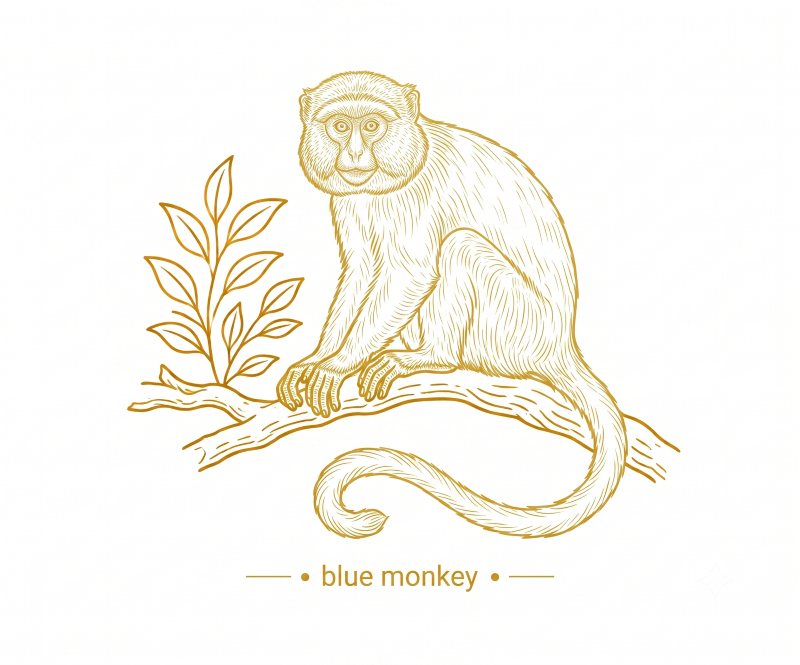
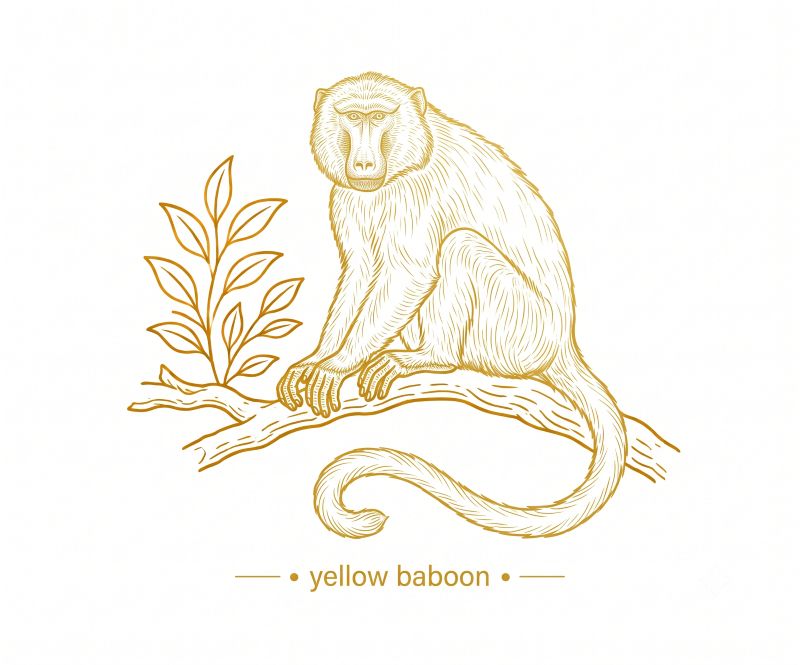
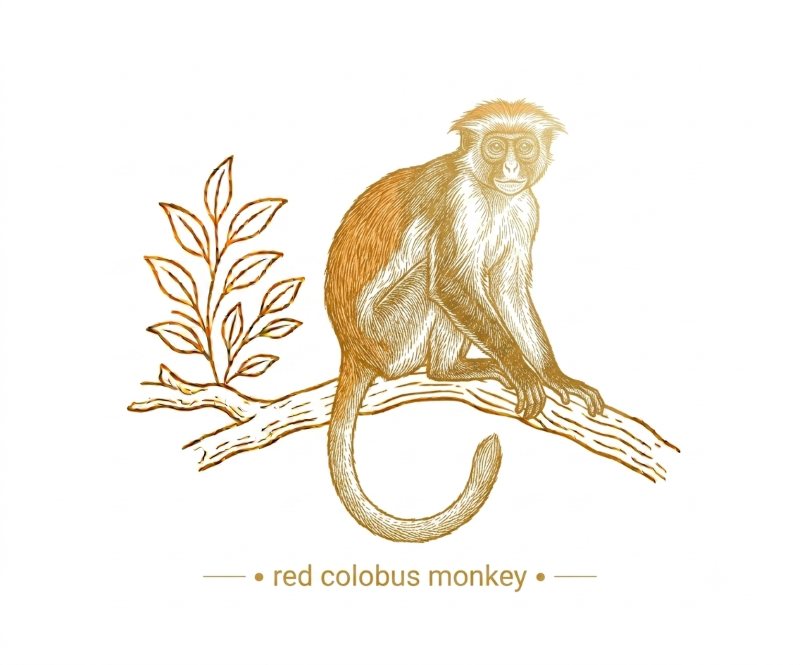
Mahale Mountains National Park is world-famous for its wild chimpanzees, offering one of Africa’s finest primate trekking experiences. The park is also home to olive baboons, red colobus, blue monkeys, vervet monkeys, bushbucks, bushpigs, and over 350 bird species. Unlike traditional safari parks, Mahale focuses on rainforest wildlife and intimate encounters with nature rather than large mammals.
Mahale Mountains National Park boasts one of Tanzania’s most spectacular landscapes, where the forested Mahale Mountains descend directly into the crystal-clear waters of Lake Tanganyika. White sandy beaches, lush tropical rainforest, dramatic mountain peaks, and Africa’s longest freshwater lake create a truly unique setting found nowhere else in East Africa. The combination of pristine wilderness and breathtaking scenery makes Mahale one of Tanzania’s most exclusive safari destinations.
Mahale Mountains National Park offers one of Africa’s most exclusive wildlife experiences, centred around chimpanzee trekking in pristine rainforest. Visitors can also enjoy guided forest walks, birdwatching, kayaking, swimming in the crystal-clear waters of Lake Tanganyika, sport fishing (outside park regulations), and relaxing on secluded white-sand beaches beneath the Mahale Mountains.
Mahale Mountains National Park enjoys a tropical climate influenced by Lake Tanganyika. The dry season from May to October offers the best conditions for chimpanzee trekking, hiking, and wildlife viewing, while the green season from November to April transforms the rainforest into a lush paradise with excellent birdwatching and dramatic scenery.
The best time to visit Mahale Mountains National Park is during the dry season (May to October), when forest trails are easier to hike and chimpanzees are generally easier to locate. This period also offers clear skies, comfortable temperatures, and spectacular views across Lake Tanganyika. The green season (November to April) brings lush rainforest scenery, fewer visitors, excellent birdwatching, and beautiful photographic opportunities.
By Fadhili Mlema
Fadhili is a seasoned East African safari expert with 15 years of experience crafting luxurious and authentic journeys. Deeply rooted in the region, his passion for wildlife and tourism has shaped his unparalleled expertise. Let Fadhili curate your ultimate African adventure.
By Fadhili Mlema
Fadhili is a seasoned East African safari expert with 15 years of experience .
Mahale Mountains National Park is world-renowned for its habituated eastern chimpanzees, offering one of Africa’s most intimate primate encounters. Beyond chimpanzees, the park supports a rich diversity of forest mammals, primates, and over 350 bird species within one of Tanzania’s most pristine rainforest ecosystems along the shores of Lake Tanganyika.
- Abundant
- Common
- Occasional
- Rare
- None

- Common
- Common
- Common

- Occasional

- Rare
- Common
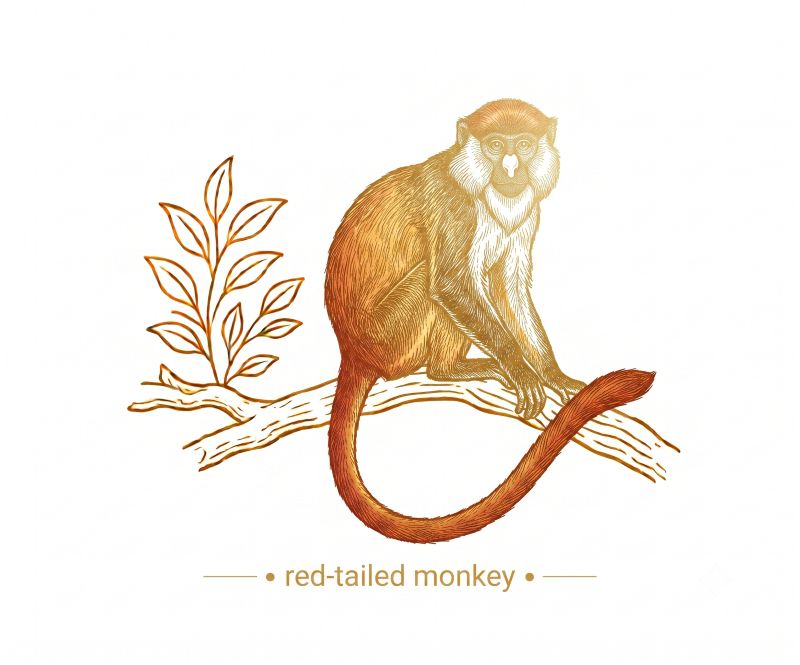
- Common
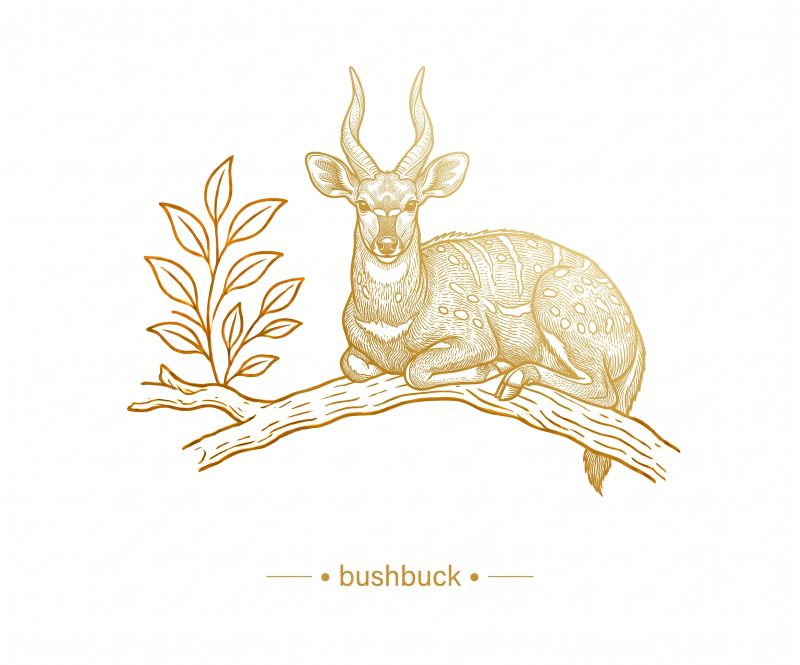
- Common
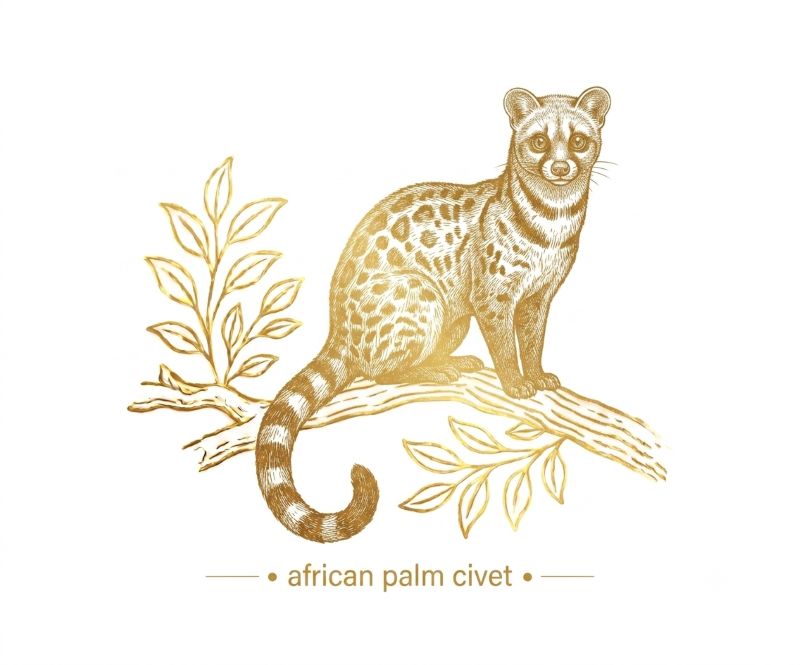
- Rare
- Common
Mahale offers one of the world’s finest chimpanzee trekking experiences. Watching wild chimpanzees interact naturally in the rainforest is the park’s defining attraction. The combination of dense montane forest, crystal-clear Lake Tanganyika, and exceptional primate diversity creates a wildlife experience unlike any other destination in Tanzania.
Wildlife viewing is best during the dry season from May to October, when chimpanzee troops stay closer to the lower forest slopes, making trekking easier and sightings more reliable. Clear trails, pleasant weather, and excellent photography conditions make this the ideal time to visit Mahale Mountains National Park.
- View Photos
By Fadhili Mlema
Fadhili is a seasoned East African safari expert with 15 years of experience crafting luxurious and authentic journeys. Deeply rooted in the region, his passion for wildlife and tourism has shaped his unparalleled expertise. Let Fadhili curate your ultimate African adventure.
By Fadhili Mlema
Fadhili is a seasoned East African safari expert with 15 years of experience .
Notable Birds in Mahale Mountains


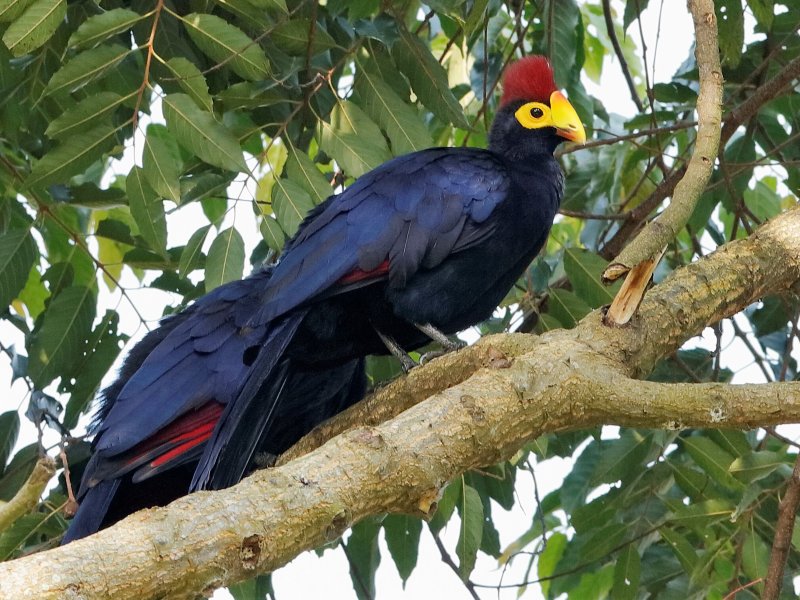

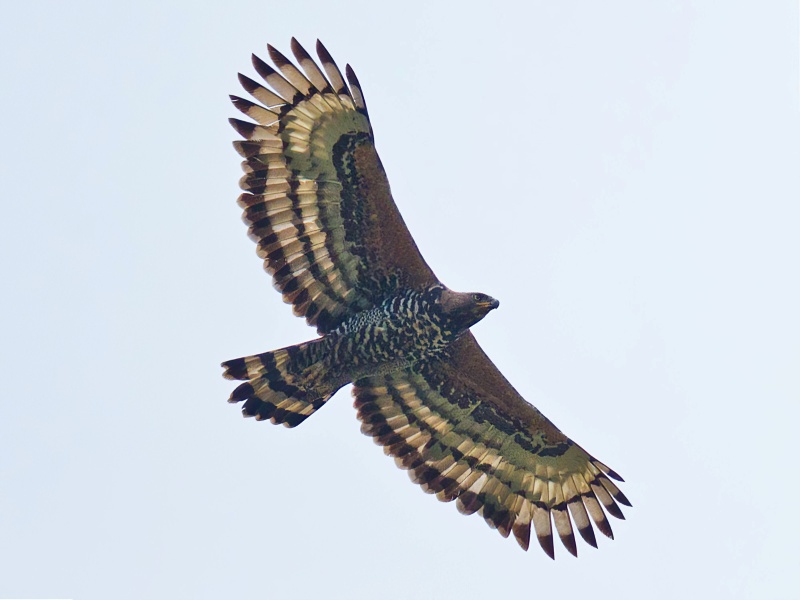
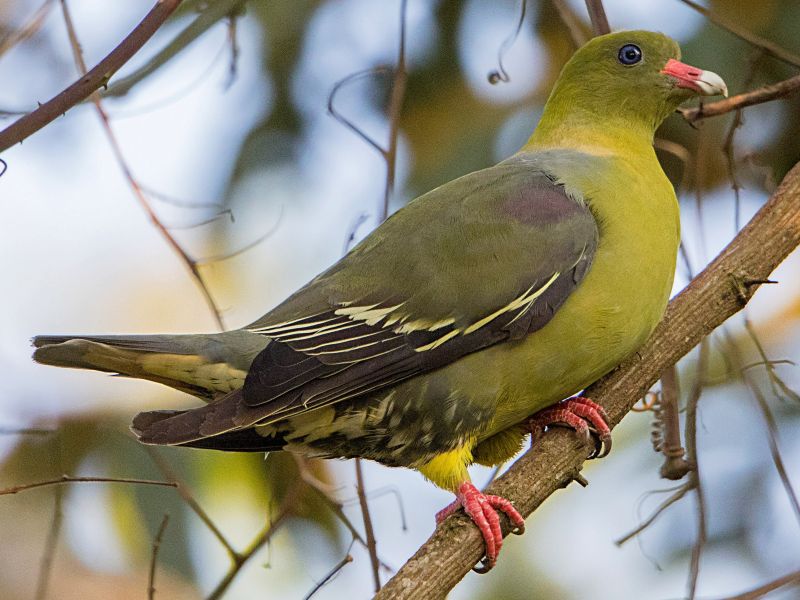


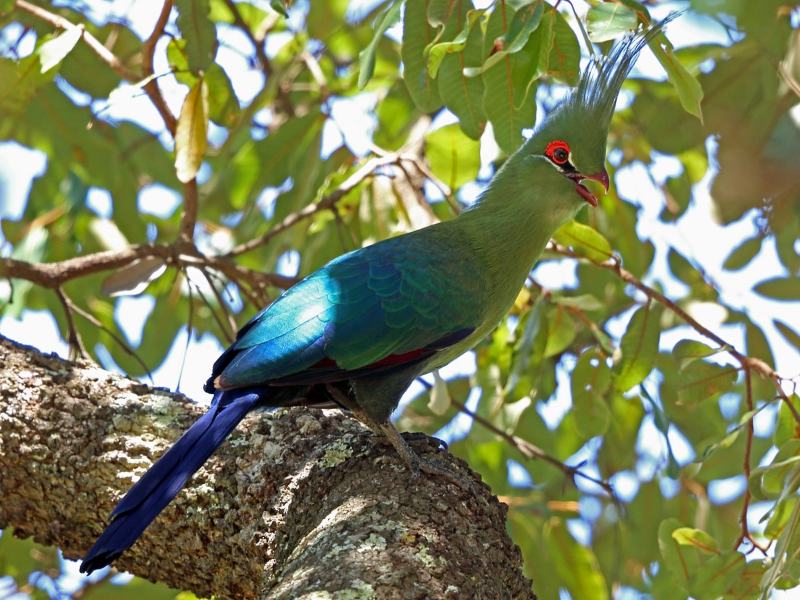
Mahale Mountains National Park offers outstanding birdwatching year-round. Still, the dry season (May to October) provides the best overall conditions, with easier forest trails, excellent visibility, and reliable sightings of resident forest species. The green season (November to April) is equally rewarding for keen birders, as migratory birds arrive and many resident species display vibrant breeding plumage, making this the ideal period for photography and observing bird behaviour.
Bird Species
350+
Migratory Birds
Nov to Apr

By Fadhili Mlema
Fadhili is a seasoned East African safari expert with 15 years of experience crafting luxurious and authentic journeys. Deeply rooted in the region, his passion for wildlife and tourism has shaped his unparalleled expertise. Let Fadhili curate your ultimate African adventure.
By Fadhili Mlema
Fadhili is a seasoned East African safari expert with 15 years of experience .
Jan
Feb
Mar
Apr
May
Jun
Jul
Aug
Sep
Oct
Nov
Dec
- Excellent
- Good
- Fair
- Poor
Mahale Mountains National Park is rewarding year-round, but the dry season from May to October offers the best conditions for chimpanzee trekking, birdwatching, hiking, and photography. During this period, forest trails are drier, visibility is better, and chimpanzee troops are generally easier to locate. The green season (November to February) brings lush scenery, excellent birdwatching with migratory species, and fewer visitors, while March and April receive the heaviest rainfall, making trekking more challenging.
Best Time
May to October (Dry Season)
High Season
June to October
Low Season
March to April
Best Weather
June to October
Worst Weather
March and April
- View Photos
By Fadhili Mlema
Fadhili is a seasoned East African safari expert with 15 years of experience crafting luxurious and authentic journeys. Deeply rooted in the region, his passion for wildlife and tourism has shaped his unparalleled expertise. Let Fadhili curate your ultimate African adventure.
Mahale Mountains National Park enjoys a warm tropical climate moderated by the clear waters of Lake Tanganyika. The dry season (May to October) offers sunny days, lower humidity, and the best conditions for chimpanzee trekking, while the wet season (November to April) transforms the rainforest into a lush green wilderness, making it ideal for birdwatching and scenic photography.
The dry season offers the best conditions for chimpanzee trekking, hiking through the rainforest, and enjoying the spectacular scenery of Lake Tanganyika. From June to October, dry trails, lower humidity, and clear skies create the most rewarding safari experience in Mahale Mountains National Park.
- May (Transition Month): Rainfall gradually decreases, the forest remains lush, and trekking conditions steadily improve. While occasional showers are still possible, visitor numbers are low, and the scenery is exceptionally beautiful.
- June, July & August: These are among the best months to visit. Daytime temperatures average 24–26°C (75–79°F) with cool mornings and evenings. Dry forest trails, excellent chimpanzee sightings, and comfortable hiking conditions make this peak safari season.
- September & October: Temperatures rise slightly to 26–28°C (79–82°F). Chimpanzee trekking remains excellent, Lake Tanganyika is typically calm, and clear weather provides outstanding opportunities for photography and boat excursions.
The wet season brings lush rainforest scenery, excellent birdwatching, and fewer visitors. Although rainfall can make chimpanzee trekking more challenging, the park remains exceptionally beautiful and rewarding to explore.
- November & December: Short rains refresh the rainforest, bringing cooler temperatures of 25–28°C (77–82°F). The forest becomes increasingly lush, migratory birds begin to arrive, and photographic conditions are exceptional.
- January & February: Rainfall becomes less predictable, with warm temperatures averaging 26–29°C (79–84°F). These months offer excellent birdwatching, beautiful forest scenery, and good opportunities for chimpanzee trekking between showers.
- March & April: The long rains reach their peak, making this the wettest period of the year. Heavy rainfall can create slippery forest trails, rougher conditions on Lake Tanganyika, and more challenging chimpanzee tracking. Some shared charter flights and safari operations may also be limited during this period.
- Live Location
- View Photos
By Fadhili Mlema
Fadhili is a seasoned East African safari expert with 15 years of experience crafting luxurious and authentic journeys. Deeply rooted in the region, his passion for wildlife and tourism has shaped his unparalleled expertise. Let Fadhili curate your ultimate African adventure.
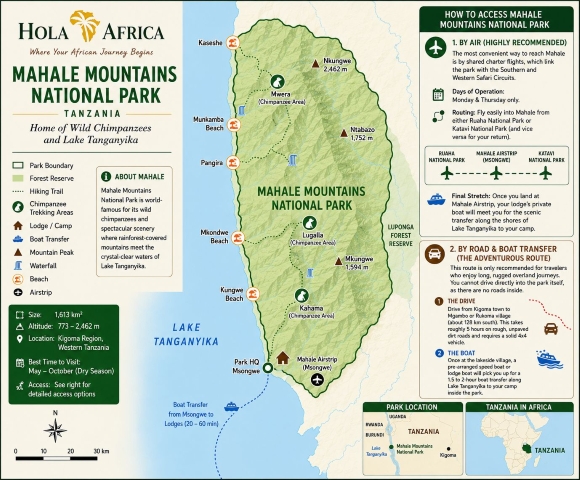
Mahale Mountains National Park is located on the remote eastern shores of Lake Tanganyika in western Tanzania. As there are no public roads leading directly into the park, the most convenient way to visit is by shared charter flight to Mahale Airstrip, followed by a scenic boat transfer to your lodge or camp.
Shared charter flights operate on Mondays and Thursdays, connecting Mahale with Katavi National Park and Ruaha National Park as part of Tanzania’s Western Safari Circuit. Private charter flights can also be arranged from Arusha, Dar es Salaam, Zanzibar, or other safari destinations for greater flexibility.
Travellers seeking a more adventurous journey can reach Mahale via Kigoma, followed by a 4–5 hour road transfer to the lakeside villages of Mgambo or Rukoma, and then continue by speedboat across Lake Tanganyika to the park.
- Main Park Location
Compare international and domestic flight options to Tanzania using Skyscanner. Search for flights to Arusha (ARK/JRO), Dar es Salaam (DAR), Kigoma (TKQ) or Zanzibar (ZNZ), then connect via a scheduled shared charter or private charter flight to Mahale Airstrip. Your safari concludes with a scenic boat transfer across Lake Tanganyika to your lodge or camp.
The nearest airport to Mahale Mountains National Park is Mahale Airstrip, located on the eastern shore of Lake Tanganyika. Safari Air Link operates shared charter flights every Monday and Thursday, connecting Mahale, Katavi National Park, and Ruaha National Park. Private charter flights can also be arranged from Arusha, Dar es Salaam, Zanzibar, Kigoma, and other safari destinations, offering greater flexibility and direct access to one of Tanzania’s most remote wilderness areas.
Please refer to our FAQ—Tanzania pages for detailed information regarding passport, visa, vaccination, and other entry requirements.
By Fadhili Mlema
Fadhili is a seasoned East African safari expert with 15 years of experience crafting luxurious and authentic journeys. Deeply rooted in the region, his passion for wildlife and tourism has shaped his unparalleled expertise. Let Fadhili curate your ultimate African adventure.
Mahale Mountains National Park is a safe destination for travellers, but its remote location and rugged terrain require good preparation. Always follow your guide’s instructions during chimpanzee trekking, hiking, and boat transfers. Pack suitable clothing, sturdy walking shoes, sun protection, insect repellent, and any personal medication for a comfortable and safe visit.
Mahale lies within a malaria-risk area, so anti-malarial medication is recommended after consulting your healthcare provider. Insect repellent, long-sleeved clothing during the evenings, and mosquito nets provide additional protection. Ensure your routine vaccinations are up to date, and check current travel health recommendations before departure.
Chimpanzee trekking follows strict conservation guidelines to protect both visitors and wildlife. Maintain the required viewing distance, avoid feeding animals, and never attempt to approach wildlife on your own. Following your guide’s instructions ensures a safe and responsible safari experience while helping preserve Mahale’s unique ecosystem.
Discover Plan Your Mahale Safari
to
pp (USD)
Safari:
Private tour,
Semi-Luxury,
- 13 days
- 5 places
to
pp (USD)
Safari:
Private tour,
Mid-Range,
- 10 days
- 4 places
to
pp (USD)
Safari:
Private tour,
Mid-Range,
- 8 days
- 4 places
