
You are here:
- Home
- Countries & Parks
- Pemba Island

Pemba Island
Overview
Wildlife
Birds
Best Time To Visit
Weather & Climate
Getting There
Malaria & Safety
Overview
Wildlife
Birds
Best Time
Climate
Getting There
Malaria & Safety

By Fadhili Mlema
Fadhili is a seasoned East African safari expert with 15 years of experience crafting luxurious and authentic journeys. Deeply rooted in the region, his passion for wildlife and tourism has shaped his unparalleled expertise. Let Fadhili curate your ultimate African adventure.
By Fadhili Mlema
Fadhili is a seasoned East African safari expert with 15 years of experience .
- Live Location
- View Photos
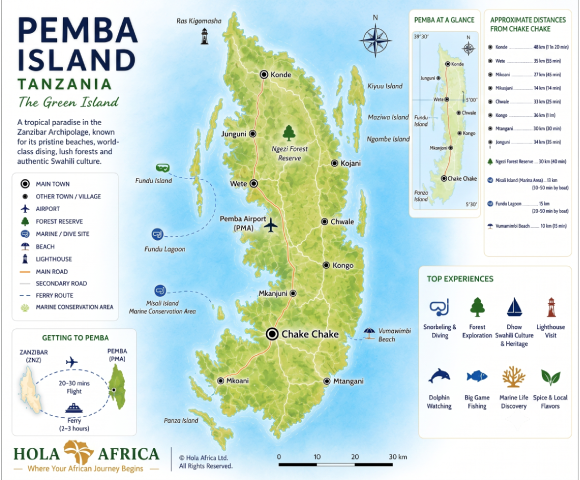
- Open Map
Best Time To Go
July to October & December to March
High Season
July to October & December to February
Size
988 km² (381 sq mi)
Altitude
Sea Level – 95 m (312 ft)
Pemba Island is one of Tanzania’s most extraordinary wildlife destinations, where ancient forests and the Indian Ocean protect an exceptional diversity of rare terrestrial and marine species. The island’s Ngezi Forest Reserve is home to the endangered Pemba Flying Fox, endemic birds, vervet monkeys and rich indigenous vegetation. Pemba is also one of the few places in East Africa where the remarkable Coconut Crab (Birgus latro), the world’s largest land-living arthropod, can still be found. Offshore, vibrant coral reefs support sea turtles, dolphins, colourful tropical fish and spectacular marine biodiversity, making Pemba one of East Africa’s premier destinations for wildlife, diving and snorkelling.
Pemba Island is defined by its spectacular natural beauty, where emerald-green hills, ancient forests, fragrant clove plantations and pristine white-sand beaches meet the turquoise waters of the Indian Ocean. Hidden bays, vibrant coral reefs and secluded offshore islands create breathtaking coastal scenery, making Pemba one of Tanzania’s most unspoiled tropical destinations.
Pemba Island invites travellers to experience one of Tanzania’s most diverse collections of island adventures. Explore world-class diving and snorkelling sites, sail aboard a traditional dhow, discover the pristine waters of Misali Island, walk through the ancient Ngezi Forest and experience authentic Swahili culture in local communities. From marine adventures to cultural discoveries and unforgettable wildlife encounters, every experience reveals another side of Pemba’s unspoiled beauty.
Pemba Island enjoys a warm tropical climate all year round, making it an ideal destination for beach holidays and marine adventures in every season. Sunny days, refreshing Indian Ocean breezes and comfortable temperatures create excellent conditions for diving, snorkelling and island exploration. The dry seasons from July to October and December to March are considered the best times to visit, while seasonal rains keep the island’s forests and clove plantations lush and vibrant.
The best time to visit Pemba Island is during the dry seasons from July to October and December to March, when warm tropical weather, calm Indian Ocean waters and clear visibility provide perfect conditions for diving, snorkelling, beach escapes and outdoor adventures. Although Pemba can be visited throughout the year, these months offer the finest combination of sunshine, marine activities and unforgettable island experiences.
By Fadhili Mlema
Fadhili is a seasoned East African safari expert with 15 years of experience crafting luxurious and authentic journeys. Deeply rooted in the region, his passion for wildlife and tourism has shaped his unparalleled expertise. Let Fadhili curate your ultimate African adventure.
By Fadhili Mlema
Fadhili is a seasoned East African safari expert with 15 years of experience .
Pemba Island is one of Tanzania’s richest wildlife destinations, where ancient forests and vibrant coral reefs protect an extraordinary diversity of rare terrestrial and marine species. From the endangered Pemba Flying Fox to the remarkable Coconut Crab, dolphins, sea turtles and colourful tropical reefs, every visit offers unforgettable encounters with nature.
- Abundant
- Common
- Occasional
- Rare
- None

- Common

- Rare
- Occasional

- Occasional

- Common

- Abundant

- Abundant

- Common

- Occasional

- Occasional

- Common

- Common
Pemba Island stands apart as one of East Africa’s most unique wildlife destinations, where ancient coastal forests and the Indian Ocean protect an extraordinary collection of rare species. The island is renowned for the endangered Pemba Flying Fox, one of the world’s largest fruit bats, and the remarkable Coconut Crab, the largest land-living arthropod on Earth. Beneath the surface, vibrant coral reefs support sea turtles, dolphins, reef sharks and hundreds of tropical fish, creating unforgettable wildlife experiences on land and at sea.
Wildlife viewing on Pemba Island is rewarding throughout the year, thanks to its rich marine ecosystems and protected forests. The dry seasons from July to October and December to March provide the best conditions for spotting the Pemba Flying Fox, exploring Ngezi Forest, and enjoying exceptional diving, snorkelling and dolphin excursions in the clear waters of the Indian Ocean.
- View Photos
By Fadhili Mlema
Fadhili is a seasoned East African safari expert with 15 years of experience crafting luxurious and authentic journeys. Deeply rooted in the region, his passion for wildlife and tourism has shaped his unparalleled expertise. Let Fadhili curate your ultimate African adventure.
By Fadhili Mlema
Fadhili is a seasoned East African safari expert with 15 years of experience .
Notable Birds in Pemba Island


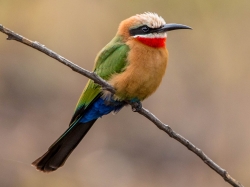
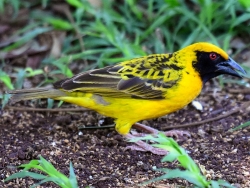

Pemba Island offers excellent birdwatching throughout the year, with resident endemic species such as the Pemba Scops Owl, Pemba Green Pigeon, Pemba White-eye, and Pemba Sunbird present year-round. The dry season from June to October provides comfortable weather and easier forest access, while the November to April wet season attracts migratory shorebirds and coincides with increased breeding activity, making it one of the most rewarding periods for bird photography and birding.
Bird Species
150+
Migratory Birds
Nov to Apr

By Fadhili Mlema
Fadhili is a seasoned East African safari expert with 15 years of experience crafting luxurious and authentic journeys. Deeply rooted in the region, his passion for wildlife and tourism has shaped his unparalleled expertise. Let Fadhili curate your ultimate African adventure.
By Fadhili Mlema
Fadhili is a seasoned East African safari expert with 15 years of experience .
Jan
Feb
Mar
Apr
May
Jun
Jul
Aug
Sep
Oct
Nov
Dec
- Excellent
- Good
- Fair
- Poor
Pemba Island is a year-round tropical destination, but the best time to visit is from June to October when sunny skies, calm turquoise waters, and cooler temperatures create perfect conditions for diving, snorkeling, wildlife encounters, birdwatching, kayaking, and relaxing on pristine beaches. January and February are also excellent months, offering warm weather and outstanding underwater visibility, while the lush green landscapes after the seasonal rains make Pemba beautiful at any time of the year.
Best Time
June to October (Ideal for diving, snorkeling & island exploration)
High Season
June to October (Perfect weather and crystal-clear waters)
Low Season
March to May (Green season with occasional heavy rain)
Best Weather
June to October (Clear skies, calm ocean & outstanding visibility)
Worst Weather
April to May (Peak rainy season with rougher seas)
- View Photos
By Fadhili Mlema
Fadhili is a seasoned East African safari expert with 15 years of experience crafting luxurious and authentic journeys. Deeply rooted in the region, his passion for wildlife and tourism has shaped his unparalleled expertise. Let Fadhili curate your ultimate African adventure.
Pemba Island enjoys a warm tropical climate throughout the year, making it one of East Africa’s finest island destinations for diving, snorkeling, birdwatching, and beach holidays. The dry season delivers sunny skies, calm turquoise waters, and exceptional underwater visibility, while the green season transforms the island into a lush tropical paradise with vibrant forests, abundant birdlife, and fewer visitors. Whatever time you choose to visit, Pemba offers a unique blend of pristine nature, rich marine life, and authentic island experiences.
The dry season offers the most comfortable weather for exploring the island and enjoying marine activities.
- July, August & September: Daytime temperatures average around 26°C to 29°C (79°F to 84°F). Humidity is generally lower, and weather conditions are pleasant.
- October: Temperatures begin to rise slightly, while ocean conditions remain ideal for diving, snorkelling and boat excursions.
Seasonal rains help maintain Pemba’s lush landscapes and fertile vegetation.
- November & December: The short rains usually bring brief showers followed by sunny periods.
- January, February & March: Warm temperatures and generally favourable weather conditions make this a popular period for beach holidays and marine activities.
- April to June: The long rains bring heavier rainfall and increased humidity. Although the island becomes particularly green and scenic, some outdoor and ocean activities may be affected by weather conditions.
- Live Location
- View Photos
By Fadhili Mlema
Fadhili is a seasoned East African safari expert with 15 years of experience crafting luxurious and authentic journeys. Deeply rooted in the region, his passion for wildlife and tourism has shaped his unparalleled expertise. Let Fadhili curate your ultimate African adventure.
Pemba Island is easily accessible by air and offers convenient connections from mainland Tanzania and Zanzibar, making it one of the most rewarding yet unspoiled destinations in the Zanzibar Archipelago.
The island’s main gateway is Pemba Airport (Chake Chake Airport), served by scheduled domestic flights from Zanzibar, Dar es Salaam, Arusha, and other major Tanzanian hubs. International travellers typically connect through Julius Nyerere International Airport in Dar es Salaam or Kilimanjaro International Airport before continuing with a short scenic flight to Pemba.
Once on the island, private road transfers provide easy access to luxury beach resorts, boutique lodges, dive centres, and remote coastal retreats. Whether you’re visiting for world-class scuba diving, pristine beaches, birdwatching, or authentic Swahili culture, reaching Pemba Island is straightforward, comfortable, and well-connected year-round.
- Main Park Location
Explore a world of possibilities with Skyscanner. Discover the best airlines and unbeatable fares to Julius Nyerere International Airport (DAR) and Abeid Amani Karume International Airport (ZNZ). Start your journey now.
Domestic flights to Pemba are frequent and convenient. Several regional airlines operate scheduled services:
These flights connect Pemba with major destinations such as Zanzibar, Dar es Salaam, Arusha, and other tourist regions, making the island an ideal extension to a Tanzania safari or a Zanzibar beach holiday.
Please refer to our FAQ—Tanzania pages for detailed information regarding passport, visa, vaccination, and other entry requirements.
By Fadhili Mlema
Fadhili is a seasoned East African safari expert with 15 years of experience crafting luxurious and authentic journeys. Deeply rooted in the region, his passion for wildlife and tourism has shaped his unparalleled expertise. Let Fadhili curate your ultimate African adventure.
Pemba Island is considered one of Tanzania’s safest island destinations, known for its peaceful atmosphere, friendly Swahili communities, and relaxed pace of life. Visitors can confidently enjoy pristine beaches, world-class diving, birdwatching, and cultural experiences. As with any destination, keep valuables secure, follow local advice, and respect local customs for a safe and rewarding visit.
For more information, please refer to the Cities & Urban Areas: Safety Precautions section below.
Before travelling to Pemba Island, it is advisable to ensure that routine vaccinations are up to date and to consult a healthcare provider or travel clinic for personalised travel advice. As Pemba lies within a tropical coastal region where malaria can occur, preventive measures are recommended. Travellers should consider using mosquito repellent, wearing long sleeves and trousers during the evening, and taking antimalarial medication if advised by their doctor.
Swimming, snorkelling, diving and boat excursions around Pemba are generally very safe when organised through reputable operators. Visitors should follow local guidance regarding tides, currents and weather conditions, and always use appropriate safety equipment when provided during marine activities.
Discover Pemba Island Tours
to
pp (USD)
Safari:
Private tour,
Luxury,
- 12 days
- 6 places
to
pp (USD)
Safari:
Private tour,
Luxury,
- 10 days
- 6 places
to
pp (USD)
Safari:
Private tour,
Semi-Luxury,
- 10 days
- 6 places
